Understanding Fabric Costs: Why Upholstery Material Is So Expensive
Introduction
That upholsterer quote is the moment the whole sofa market started making sense to me. If a normal-sized sofa can swallow around 18 yards of fabric, then even “not fancy” upholstery at $60 a yard is already north of a thousand dollars before anyone cuts, sews, staples, or delivers anything to your house.
Once you see that math, you start to notice how many new sofas are priced like the fabric barely costs anything. That is what I mean by the “Impossible $1,500 Sofa.” I am not saying you cannot find a good sofa around that price, I am saying something has to give somewhere, and it is usually in the parts you cannot see in the showroom photo.
This guide is me trying to help you spot what is being traded away before you pay for it. When the price looks too good, I assume the savings came from cheaper fabric, cheaper cushion fill, a weaker frame, lighter springs or webbing, faster sewing, or less time spent aligning patterns and reinforcing stress points. You cannot always confirm every detail on the spot, but you can pressure test the right areas and ask questions that salespeople cannot easily bluff.
I also want you to walk into a showroom with the right mindset. You are not buying a “sofa,” you are buying a fabric that is going to be sat on and rubbed for years, cushions that are going to compress, and a support system that either keeps its shape or starts feeling like a hammock. If you focus on those three things while you test, you will waste less time on features that do not matter.
My goal here is not to talk you into luxury. It is to help you avoid the specific kind of disappointment where a sofa looks great for six months, then the seats crater, the arms feel loose, and the fabric pills or snags, and the warranty somehow does not cover the parts that failed in real life.
When you see a low price, do not treat it like a deal you might miss. Treat it like a clue, then use the rest of this guide to figure out where the cost was removed, and whether that trade is acceptable for how you actually live.
The $1,500 Math Problem
The $1,500 Math Problem
If 18 yards of decent fabric costs $1,000, and a frame, labor, and foam costs at least $500, a $1,500 sofa leaves $0 for profit. The only way it exists is if the manufacturer uses “Grade A” fabric that costs $3 a yard.When I do this math in my head, I am not trying to be cynical, I am trying to stay oriented. A store can absolutely sell a sofa for $1,500, but the materials and labor inside that sofa still have to be paid for, and the retailer still expects a margin.
So when you see a new, full size upholstered sofa at $1,500, the practical question is not “is this a deal,” it is “which expensive part got made cheap.” Most of the time the answer is the fabric you touch, the foam you sit on, and the support system you cannot see.
In the showroom, I start by forcing the fabric conversation even if the salesperson wants to talk about style. I ask what the fabric content is, because “polyester” can mean a tough woven cloth or a soft, fuzzy knit that pills, and those perform very differently even if the color looks identical under showroom lights.
Then I ask what the cheapest fabric option is for that model and what the price becomes if I move up a grade. If every fabric choice costs the same, I assume the baseline fabric is the cheap one and the “upgrade” is mostly marketing, because real fabric cost differences usually show up somewhere.
If the salesperson only says “Grade A, Grade B, Grade C,” I ask what that means in plain English. I want to hear things like tighter weave, higher durability rating, different yarn type, or a specific mill, not just “it’s nicer.” If they cannot translate it, I treat it as a warning sign that the grading is internal and convenient.
Next I test the seat cushions like I am checking a mattress. I sit in the same spot for a full minute, then I stand up and look at how fast the cushion recovers. If it stays dented, or if the cushion feels like it has a soft top layer that collapses into something hard underneath, I assume it is lower quality foam, or foam that is too thin for the job.
I also unzip a cushion if I can. I am looking for a foam core that is thick enough to make sense, and I am looking for a liner that looks like it is there to help the fill hold its shape, not just a bare foam block swimming inside a loose cover. If I cannot unzip anything, I take that as “you are not meant to inspect it,” and I get more skeptical, not less.
Then I do my frame and support checks, because that is where cheap sofas quietly fail. I grab the arm and give it a firm shake, not violently, just enough to see if it feels like one solid box or like parts are flexing independently. If the arms creak, rack, or feel springy, I assume the frame is lighter, the joinery is minimal, or both.
I also do the “front rail” sit test, where I sit toward the front edge of the cushion like I am tying my shoes. A good support system will feel stable at the edge, while a cheaper one will dip and feel like a trampoline. If it already feels like a hammock in the showroom, it will not get better in your living room.
Here is how I use this section when I am actually shopping. If I love the look of a $1,500 sofa, I stop treating it like a finished product and start treating it like a platform that might need upgrading, or a short term purchase I accept with open eyes. If the salesperson can show me a meaningful fabric upgrade, a better cushion option, or a stronger support system in the same line, that is when the math problem starts to resolve.
If they cannot show you any of that, you can still buy it, I just want you to buy it for the right reason. I would rather you choose it as a two to four year sofa you will not baby, instead of expecting it to behave like a ten year sofa and feeling duped when the seats go first.
The “Letter Grade” System
When a salesperson says “Grade A through Grade F,” I treat that like a price code, not a performance score. Manufacturers use letter grades because it is an easy way to group fabrics by cost, and it keeps the conversation about “upgrade” instead of about what the fabric actually is.
Grade A is usually the base option because it is cheap to produce at scale. In real showrooms, that often means a straightforward polyester that is easy to weave, easy to dye, and easy to source in huge volume, so the factory can keep the sofa’s advertised price low.
That does not automatically make Grade A “bad.” It often means it is plain, flat, and mass produced, and sometimes that is exactly what you want if you have kids, pets, or you just do not want to stress about a sofa.
At the other end, the premium grades are often expensive because they are harder and slower to make, not because they are magically tougher. If you see textures like bouclé, linen look blends, or wool blends sitting in the top letter grades, you are usually paying for a denser, more complex weave and more loom time, plus the fact that those looks are not as easy to mass produce without flaws.
This is where people get tricked, because the letter system feels like it should match durability. It does not, and I have learned to assume the opposite until someone proves it, because plenty of luxury fabrics are delicate by nature.
A high grade silk blend can be fragile, snaggy, and prone to water spotting, even if it is gorgeous. A low grade nylon or tightly woven synthetic can be very hard wearing, even if it looks a little basic and does not photograph as “designer.”
So when someone pushes you toward a higher grade, I would not ask “is it better,” I would ask “what is different about it that I will notice in daily life.” I want an answer about texture, cleaning, pilling, snagging, and whether it is woven or knit, because those are the things that change how the sofa behaves after hundreds of sits.
In the showroom, I do a simple reality check by rubbing the fabric hard with my palm and then looking at it from an angle under the lights. If it starts to look fuzzy right away, or if it seems to grab at dry skin, I assume it is more likely to pill or show abrasion in the real world, especially on seat fronts and arm tops.
I also do the fingernail test, lightly, in an inconspicuous spot like the back corner. If a looped or nubby texture catches easily, I take that seriously if you have pets, because cat claws and even rough seams on jeans will find those loops.
The most useful question I have found is: “Is the base fabric a flat woven upholstery fabric, or is it a knit or velvet like surface?” If the salesperson cannot tell you, ask to see the fabric tag or the fabric swatch card, because those usually say something concrete like “100% polyester” plus a construction name.
If you are comparing grades within one sofa line, I would decide what you are paying for on purpose. If you are paying for a richer texture or a more natural look, that can be worth it, but I would not pay extra expecting it to last longer unless you can also confirm it is built for abrasion and snag resistance in your kind of home.
When a store offers a “premium grade” fabric, I also ask whether it changes the return policy or warranty coverage on the upholstery. Some retailers quietly treat certain fabrics as more “special care,” and I would rather learn that in the showroom than after a stain or a pull shows up.
If you take one thing from the letter grades, I want it to be this. Higher grade usually means higher cost and often more visual interest, but durability is a separate conversation, and you should force that conversation out loud before you pay for the prettier option.
The Yardage Economy
The first time I learned how much fabric a normal sofa consumes, it changed how I read price tags. An 84-inch sofa can easily eat around 18 yards of fabric, and once you picture that much material getting cut up, sewn, and wrapped tight over padding, you stop assuming upholstery is a small line item.
In a showroom, I use yardage as a sanity check. If a sofa looks “fully upholstered” with big arms, deep seats, and a tall back, but it is priced like the fabric is basically free, I assume the fabric is either very cheap, very thin, or chosen because it is fast to cut and sew with minimal waste.
The quiet trap here is that not all fabrics are equally efficient to use. The same sofa can require dramatically more yardage depending on whether the fabric is a solid, a stripe, or a big floral print, and that difference tends to show up as an upcharge that feels arbitrary unless you know what you are paying for.
When you choose a pattern with a large repeat, the factory usually cannot just cut pieces wherever they fall. They have to “flow match,” which means aligning the pattern so the flowers or medallions land in the same place across adjacent cushions and panels, and that forces them to throw away fabric between cuts.
If you pick something like a floral with an 18-inch repeat, it is completely plausible that the same 84-inch sofa jumps from roughly 18 yards to something like 25 yards once they match the cushions and keep the pattern centered. That is not the store being dramatic, it is the cutter trying to make the front of the sofa look intentional instead of chaotic.
Here is the part I wish someone had told me before I fell for pretty showroom photos. If you love a bold pattern, you should ask, in plain language, whether the cushions are pattern matched and whether the inside arms and outside arms are pattern matched too, because sometimes they only match the most visible seat cushions and leave the rest to chance.
Then I look at the floor sample with my “alignment eyes” turned on. I check whether the left and right seat cushions look like they belong to the same fabric run, and I check whether the pattern shifts abruptly at seams, especially where the inside back meets the arms, because those are the spots that scream cost cutting once you notice them.
If the salesperson tells you pattern matching is included, I ask what happens if a cushion cover is replaced under warranty later. This matters because a replacement cover made months later can come from a different dye lot, and on patterned fabric that can look like a patch even if it is technically the same style.
If you are trying to keep cost under control, I have found the simplest hack is to choose a solid, or a texture that reads solid from a few feet away. You usually save a meaningful amount because the factory can nest pieces tightly and waste less cloth, and you also avoid paying for extra cutting time and fussing to make the front look symmetrical.
This is also where I take “value” styling with a grain of salt. If you see lots of small pillows, contrast welts, and busy textures, sometimes that is decoration, and sometimes it is a practical way to hide the fact that the main body fabric is inexpensive and not especially resilient.
When you are looking at seams, there is one manufacturing trick I have learned to ask about because it affects both looks and longevity. Some fabrics can be “railroaded,” meaning the fabric is applied sideways across the sofa, and the practical upside is fewer long seams on big areas like the back or seat deck.
In the showroom, I do not get hung up on the term. I just look for whether there is an unnecessary seam running straight down the middle of a big panel, then I ask if that seam is there because the fabric was too narrow, because the pattern could not be railroaded, or because it was simply faster for them to build it that way.
If you are choosing a patterned fabric, railroading can limit what is possible, and that is not automatically bad. What I care about is whether the construction choices were made to make the sofa stronger and cleaner looking, or made to make it cheaper and faster even if it creates more seams that can pucker or split later.
My buying move here is simple. If you want the visual impact of a bold pattern, I would budget for the pattern tax and then inspect the sample like a hawk for alignment and seam quality, because you are paying for workmanship, not just print. If you want the most sofa for the money, I would go solid or near solid, and push the store to spend your budget on better cushions and support instead of on extra yardage that ends up on the cutting room floor.
The “Backing” Secret
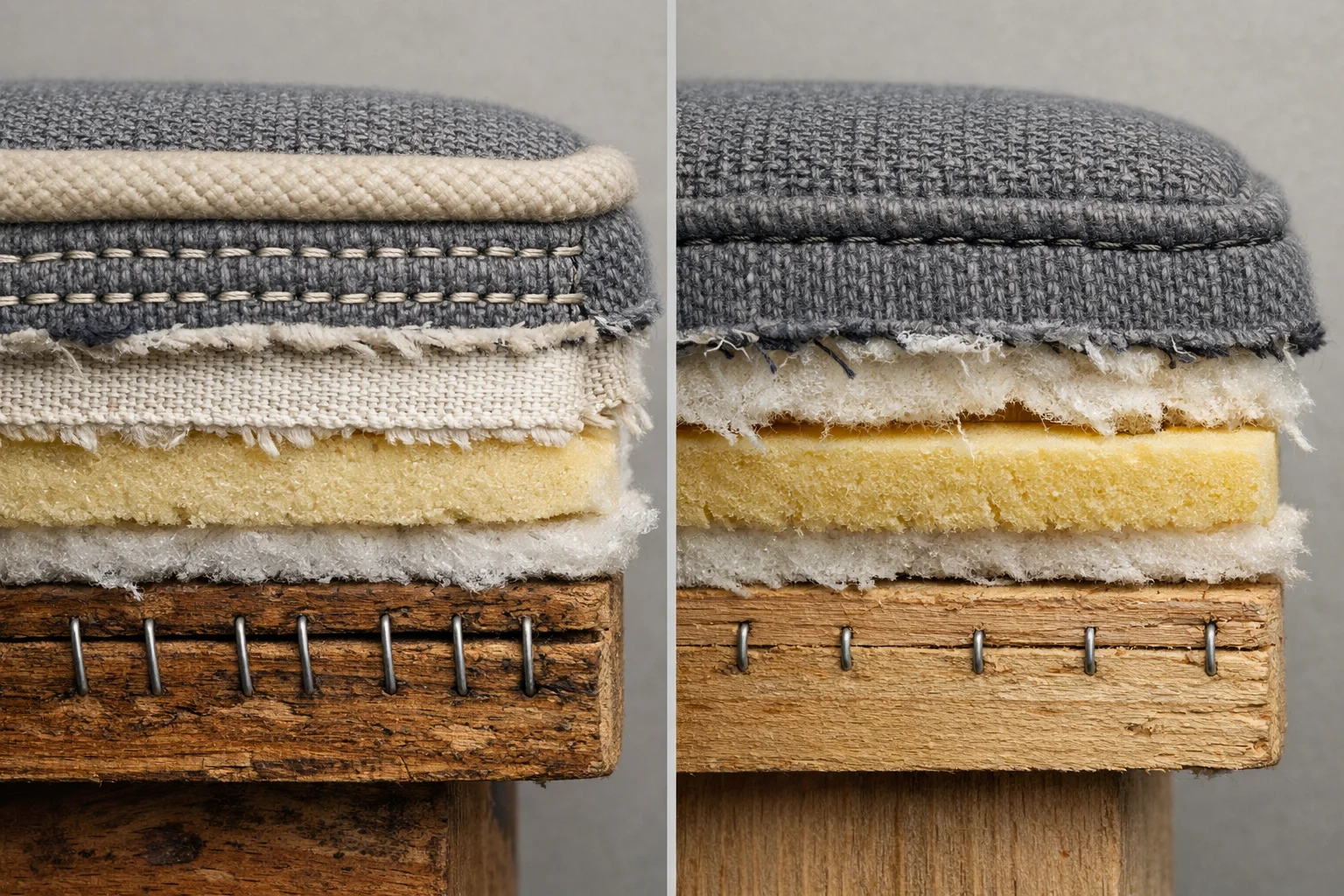
One of the sneakiest ways cheap upholstery gets made “good enough” is with something you cannot see from the front. If the fabric itself is thin or loosely woven, the mill will often glue a latex backing onto the back side to keep it from tearing at seams and to make it feel more substantial in your hand.
In a showroom, I try to figure out whether I am buying a strong fabric, or a weak fabric that is being propped up with glue. The reason I care is that backing can mask problems at first, then show up later as stiffness, weird creasing, or a fabric that does not relax and drape naturally over cushions and curves.
The easiest check is what I call the crunch test. If the salesperson has a swatch book or a loose fabric sample, I squeeze and crumple it gently in my fist, then I let it go and feel it again. If it crackles like paper, or it feels boardy and wants to hold a crease, I assume there is a heavy backing doing a lot of the work.
I also flip the swatch over and look at the back side in good light. If you see a uniform, slightly shiny coating, or the back looks like it has been painted, that is usually the backing, and it tells me the fabric may not be very structural on its own.
Backing is not automatically evil, and I have owned pieces that held up fine with it. What I do not like is when the fabric is so dependent on backing that it feels stiff on day one, because that stiffness tends to telegraph into comfort, especially on tight backs and tight arms where you actually feel the upholstery, not just the cushion.
If you want a softer, more natural hand, I pay attention to unbacked fabrics that are dense enough to stand on their own. Good wool upholstery and heavy cotton duck often do not need the crutch, because the weave itself is tight and strong, and those fabrics usually drape better over the shape of the sofa.
In practical terms, when I touch an unbacked, high quality woven fabric it tends to feel alive rather than plastic. It warms up in your hand, it bends without fighting you, and it does not make that “new raincoat” noise when you handle the swatch.
There is also a real life cleaning angle. A heavily backed fabric can be less forgiving around seams after wet cleaning or spot treatments, because you are not just dealing with fibers and dye, you are also dealing with a glued layer that can stiffen, bubble, or wrinkle if it is abused. I am not saying it will always happen, I am saying I get more cautious about how “family friendly” it really is when the fabric feels like it has a shell on it.
If you are standing in front of two fabrics that look similar, I would rather you pick the one that feels strong without needing to feel crunchy. If the salesperson calls both “performance,” I ask to touch the actual swatches and I trust my hands more than the label, because performance can mean stain resistance, and it can also mean “we had to reinforce it to survive the sewing machine.”
When the sofa on the floor is already upholstered, you can still get clues. I press on the outside arm and the outside back where there is no cushion softness to distract me. If the upholstery feels stiff and makes sharp creases when I push it, I suspect a backed fabric, and I assume it may never feel as relaxed as it looks in styled photos.
If you like the look anyway, my buying move is to treat heavy backing as a trade. You might get better seam security for the price, but you might be living with a slightly plasticky feel and a fabric that looks tired in a different way, more crease lines and less graceful wear.
If you hate that stiff feeling in the showroom, do not talk yourself out of it. I have learned the hard way that I never grow to love a crunchy fabric once it is covering eight feet of sofa in my living room.
Fabric Decoder Tool
Fabric Decoder Tool
Understanding weave types like chenille, velvet, and tweed gets confusing fast because the name is more about the surface look than about how it will behave on your sofa. When I am shopping, I use a simple shortcut, I try to match the weave style to how your household actually abuses upholstery, not to how “luxury” it sounds.If you want a fast way to narrow it down, I built an interactive Fabric Decoder that asks what is going on in your home, like kids, pets, or a more formal living room, then points you toward the weave types that usually survive that reality with the least regret.
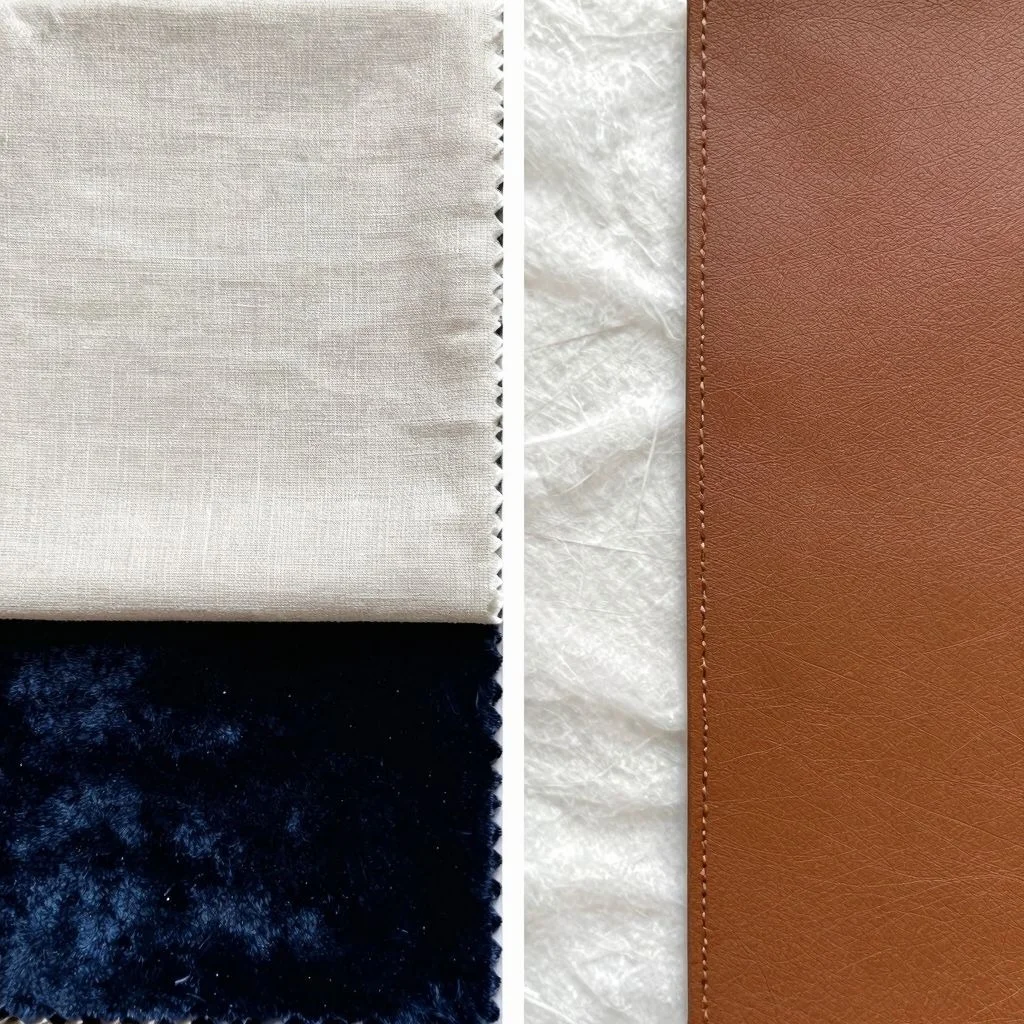
In the showroom, I use weave language to force a more honest conversation than “performance fabric” versus “not performance.” I ask the salesperson to show me the swatch and tell me, in plain terms, whether the fabric is something with a raised pile like velvet, something fuzzy like chenille, or something looped and nubby like tweed or bouclé, because each one fails in its own special way.
If you have pets, I get cautious with anything looped or heavily textured, even if the durability rating sounds great, because claws and rough seams like to find texture and pull it. I also watch how the fabric reacts when I drag my fingernail lightly across it on a swatch, because if it catches in the store, it will catch at home.
If you have kids and you actually plan to clean the sofa, I pay attention to whether the weave looks like it will trap crumbs and sticky stuff. A deep texture can hide stains, but it can also hold onto grime and turn into that darkened “traffic lane” look on seat fronts and arm tops, which is a different kind of ugly than a visible spot you can treat.
If your home is more adult and you care most about a neat, tailored look, I treat velvet and similar pile fabrics as a deliberate choice, not a default upgrade. They can look incredible, but they also show pressure marks, shading changes, and directional wear, so I always view the swatch from multiple angles under the showroom lighting and then I rub it with my palm to see how easily it changes appearance.
When I am torn between two fabrics, I try to imagine the exact failure I would hate most. If pilling will make you crazy, I lean away from fabrics that fuzz immediately when you rub them. If snags will make you crazy, I lean away from looped texture. If staining will make you crazy, I lean toward something that looks like it can be spot cleaned without leaving a water ring, and I ask what the store recommends for cleaning in writing, not just verbally.
I also do one practical check that has saved me from bad “soft and cozy” decisions. I press the fabric hard against the outside arm or outside back and slide my hand a few inches, because that mimics the kind of abrasion that happens when someone perches on the arm or shifts their weight getting up. If the surface starts to look disturbed right away, or it seems like it will polish smooth, I assume you will see wear sooner than you expect, especially on the seat edge.
If you use the Decoder, I would still bring the results back to a real swatch in your hand. The whole point is to help you notice what you are actually buying, because the weave is the personality of the fabric, and it determines whether the sofa ages gracefully or starts looking tired in the exact spots you touch every day.
Technical Summary: Fabric Selection Protocol
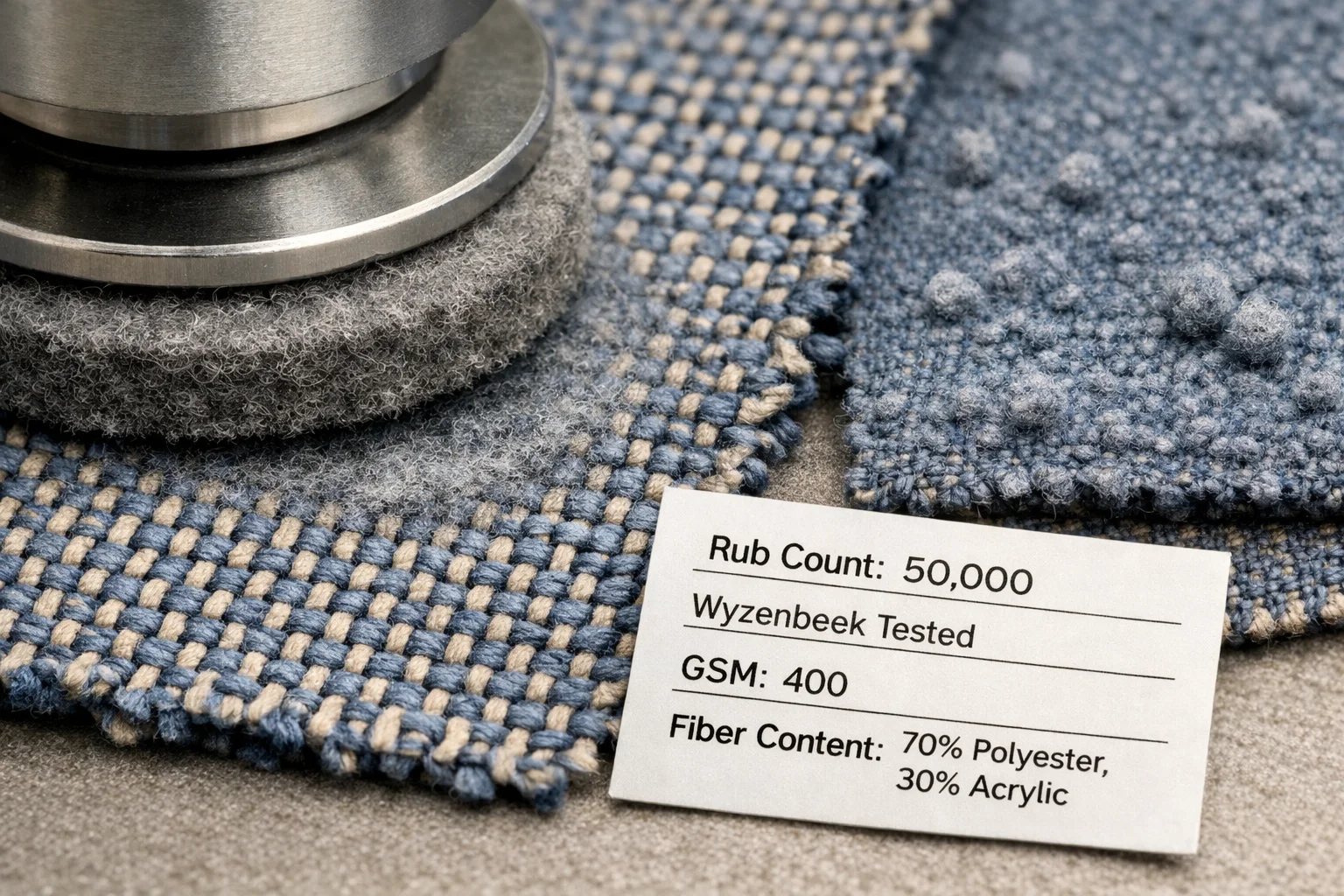
I do not buy upholstery based on color alone anymore, because color is the part that sells the sofa, not the part that makes it survive. When you are standing in the showroom, you want to quickly audit the mechanics, so you do not end up paying for a pretty surface that starts looking tired where you actually sit.The simplest durability number to ask for is the rub count, sometimes called double rubs. For a sofa that is going to be used by a normal family, I personally will not treat anything under 50,000 double rubs as a safe bet, even if it is labeled performance, because low abrasion ratings tend to show up as early fuzzing on the seat front and shiny wear on the arms. If they cannot tell you the rating or cannot show it on a spec sheet, I assume they either do not know it or do not want you to compare it.
Next I check backing, because backing can make a flimsy fabric behave in the sewing room while still aging badly in real life. I do the crunch test on the swatch by gently crumpling it in my fist, then letting it relax, because a stiff, paper-like drape usually means heavy backing that can crease and feel plasticky once it is stretched over padding. If it feels boardy in your hand in the store, it is not going to magically become soft and relaxed once it is stapled to a frame.
Then I look at fiber content, but I treat it as a clue, not a verdict. If you want durability and low drama, I usually lean you toward synthetics or synthetic blends like polyester and nylon, because they tend to resist abrasion and are less likely to weaken at stress points. If you want breathability and a more natural hand, cotton and linen blends can feel better to live with, but I take them more seriously as a maintenance choice, and I want to see a tight weave and a solid rub rating so you are not buying “natural” at the cost of premature wear.
Finally I ask about application, because seams are one of the first things that start looking rough when a sofa gets real use. On big frames, I ask whether the fabric can be railroaded, meaning applied sideways to reduce long seams across large panels, because fewer major seams usually means fewer places for puckering, splitting, or visual waviness later. If the salesperson looks confused by the term, I just point at the biggest panel on the sofa and ask whether that seam is necessary, or whether it is there because of how the fabric was cut and applied.
If you follow this protocol in the showroom, you do not need to become a fabric expert. You just need to leave with three answers you trust, the rub rating, whether the fabric feels structurally strong without crunchy backing, and whether the sofa was upholstered in a way that avoids unnecessary seams on the biggest wear zones.
Explore Technical Reference
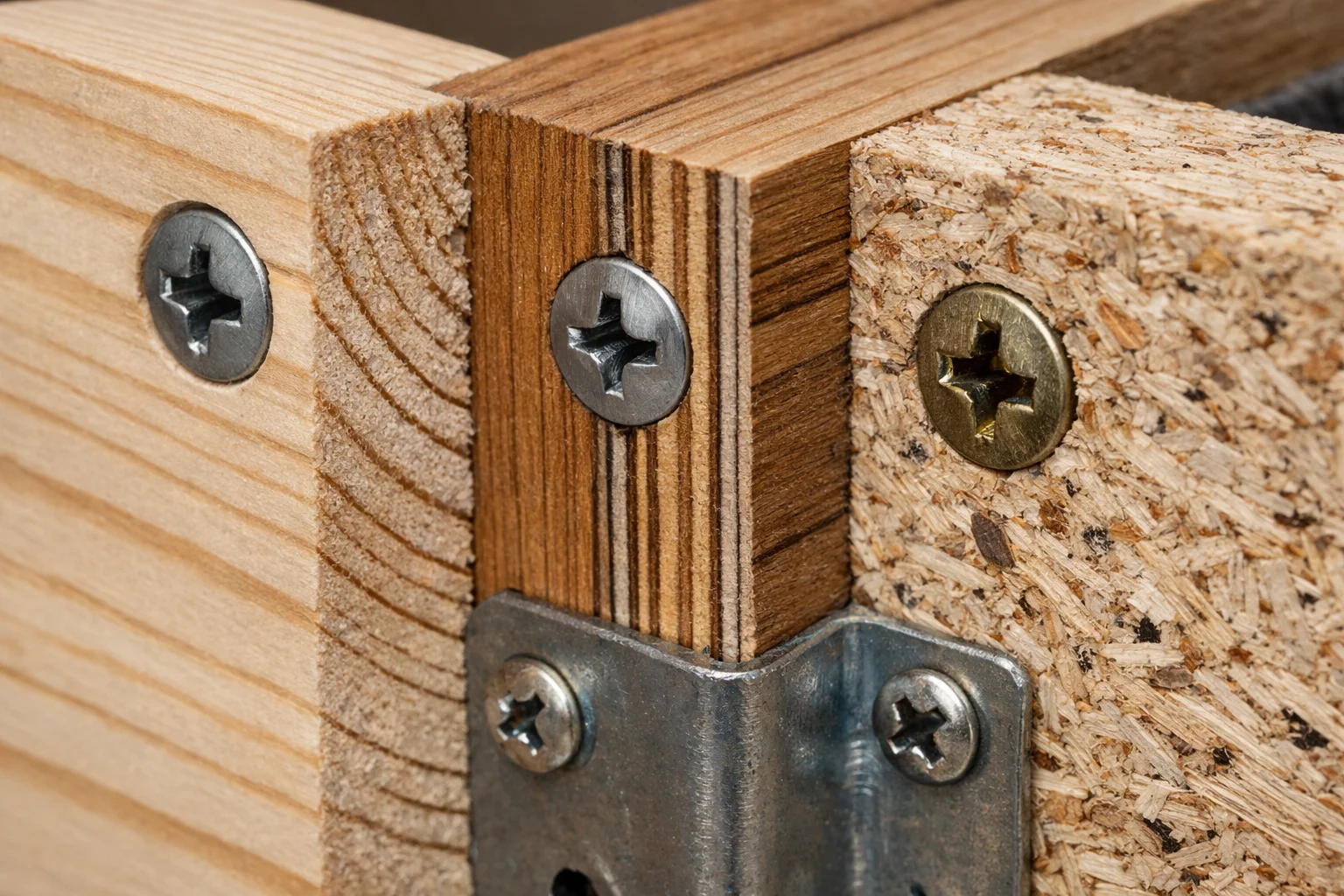
Frame Materials: The Hierarchy of Bones (Pine vs. Maple)
Understanding the hierarchy of frame materials. Why metal can be too rigid, softwood too weak, and properly specified hardwood the most reliable choice.
Analyze Details →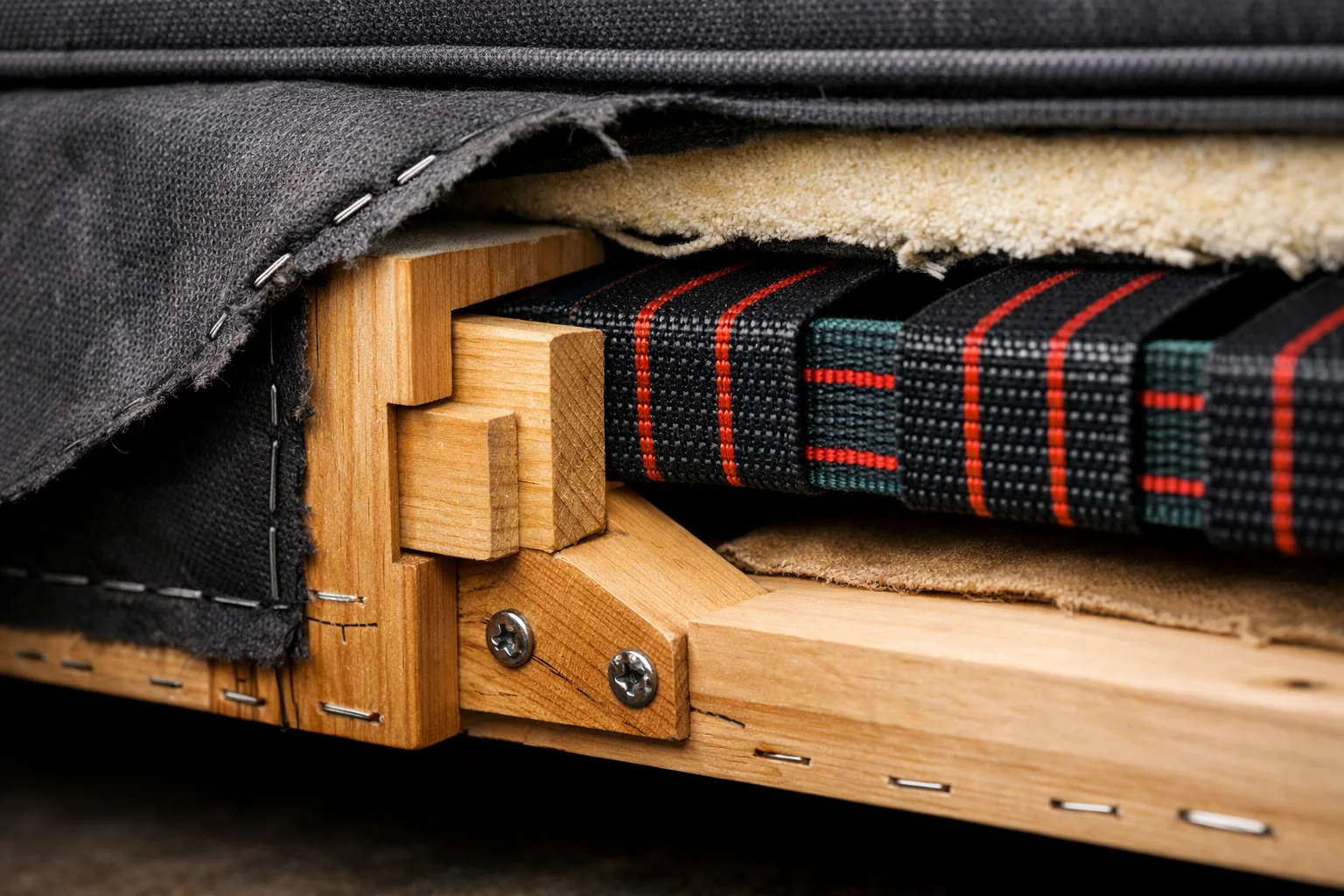
Seat Suspension: Webbing vs. Springs vs. Hand-Tied
Comparing sinuous springs, elastic webbing, and coil spring systems. Understanding why the foundation under your cushions determines sitting comfort more than the cushions themselves.
Analyze Details →