Seat Suspension: Webbing vs. Springs vs. Hand-Tied
Introduction
I once tried the “plywood trick” on a sagging sofa. I slid a board under the cushions. It stopped the sinking, but it felt like sitting on a park bench. I learned that the suspension, the deck, is the engine of comfort. If the engine dies, the sofa is dead.
If you take one idea from me, let it be this: cushions are the part you notice first, but the deck is the part that decides whether the sofa still feels good in two years. A soft, pillowy showroom sit can be hiding a weak foundation that is already on its way to a permanent dip.
When you are shopping, I want you to treat comfort and durability as two separate questions. First you ask, “Do I like how this feels right now?” Then you ask, “What is doing the work under me, and will it keep doing it?” The second question is where people get ripped off, because it is harder to see and sales floors are designed to keep you focused on fabric and cushions.
In the showroom, I sit in the same spot for a full minute and I pay attention to what changes. If I feel myself slowly settling lower, or I feel a firm bar line under the cushion, that is the deck telling on itself. If I bounce lightly and it responds like a trampoline, that can feel fun for ten seconds and exhausting after an hour.
I also do something that feels a little awkward, but it has saved me from bad buys. I kneel near the front edge and press down hard with one hand where your thighs would be, then I press a few inches to the left and right. A good deck pushes back consistently, and a bad one has obvious soft spots that make you think, “That is going to be my butt shaped crater.”
If the store will let you, I ask you to look under the sofa with your phone flashlight. You are not trying to memorize construction jargon, you are just trying to confirm there is a real support system down there and not a thin sheet sagging between the frame rails. If you cannot see anything because of a dust cover, I gently feel through it and I listen, because hollow, papery crackling is different from the firmer feel of a real suspension.
This guide is going to focus on the parts that fail first and the simple checks you can actually do on a sales floor. I am not trying to turn you into a technician. I am trying to help you spend your money on the hidden structure that determines whether a sofa stays comfortable, or turns into a plywood project.
The "Plywood Board" Fix
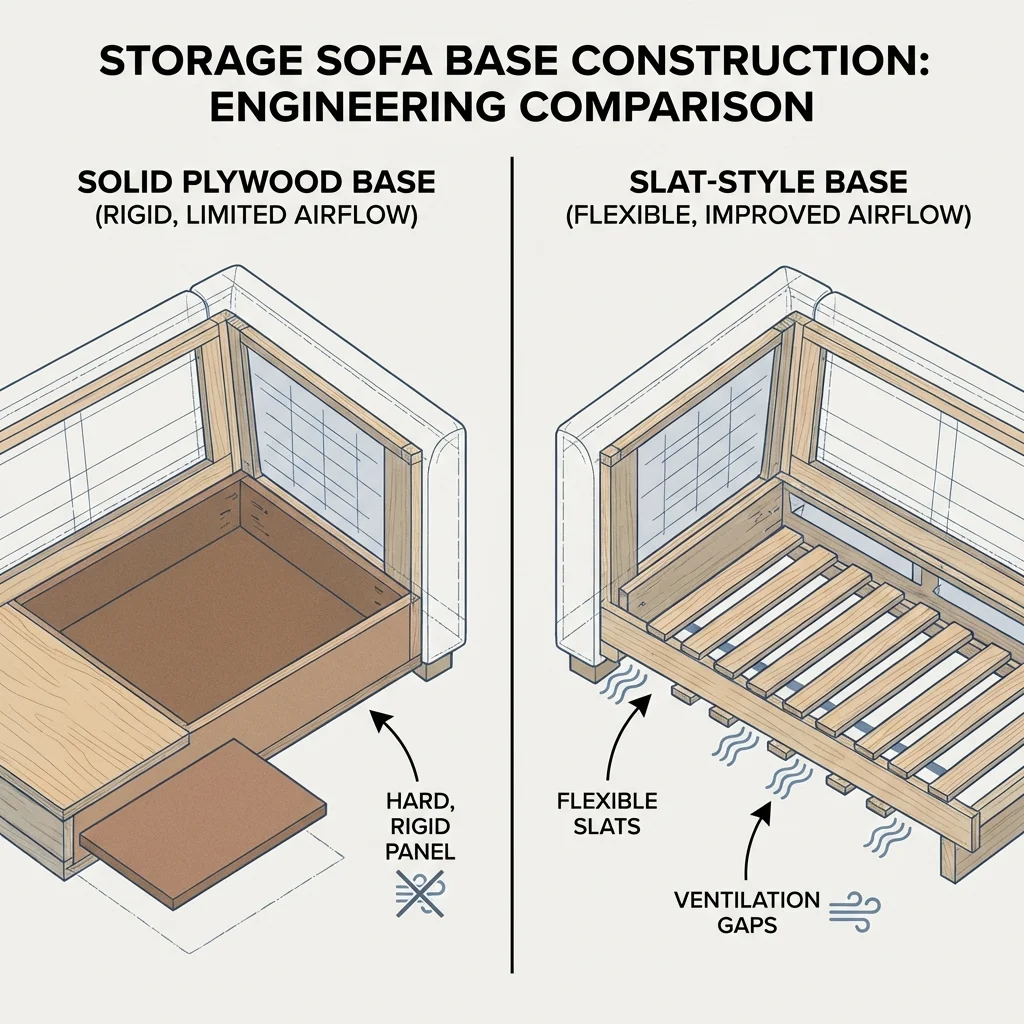
If you ever hear someone say, “Just put a piece of plywood under the cushions,” I want you to translate that to, “The suspension is not doing its job anymore.” I have done it myself, and it is not a clever upgrade, it is a sign the sofa’s engine has failed.The reality is that you are swapping a system that is supposed to flex and push back, like sinuous springs, webbing, or a tight platform, for a dead flat plank. The board does not restore support evenly, it just blocks the worst sag by brute force, and it usually shifts the pressure to new places that were not built to take it.
The result is that you stop sinking, but you also lose the little movements that make a sofa feel forgiving. You feel edges more, you feel hard spots sooner, and the seat starts to behave like a bench with upholstery on top. It is a temporary patch, not a repair, and it can distract you from the real problem until the frame, fasteners, or remaining suspension gives up more.
When you are shopping, this “fix” matters because it tells you what to look for before you buy. If a sofa only feels good because the cushions are thick, but the deck underneath is already borderline, you are basically buying a future plywood situation. I try to catch that by sitting, then standing up and looking at the seat. If the cushion looks fine but the seat area underneath seems to stay dipped, or I can feel a low hammock effect when I press with my hand, I assume that is the start of the same failure.
If you are considering a floor model or a return, I also ask directly whether anyone has ever put a board in it, even “just to make it feel firmer.” If the salesperson hesitates or says it is a common trick, I treat that as a warning that the sofa’s comfort depends on a workaround, not its structure.
Type 1: Elastic Webbing (The Budget Choice)
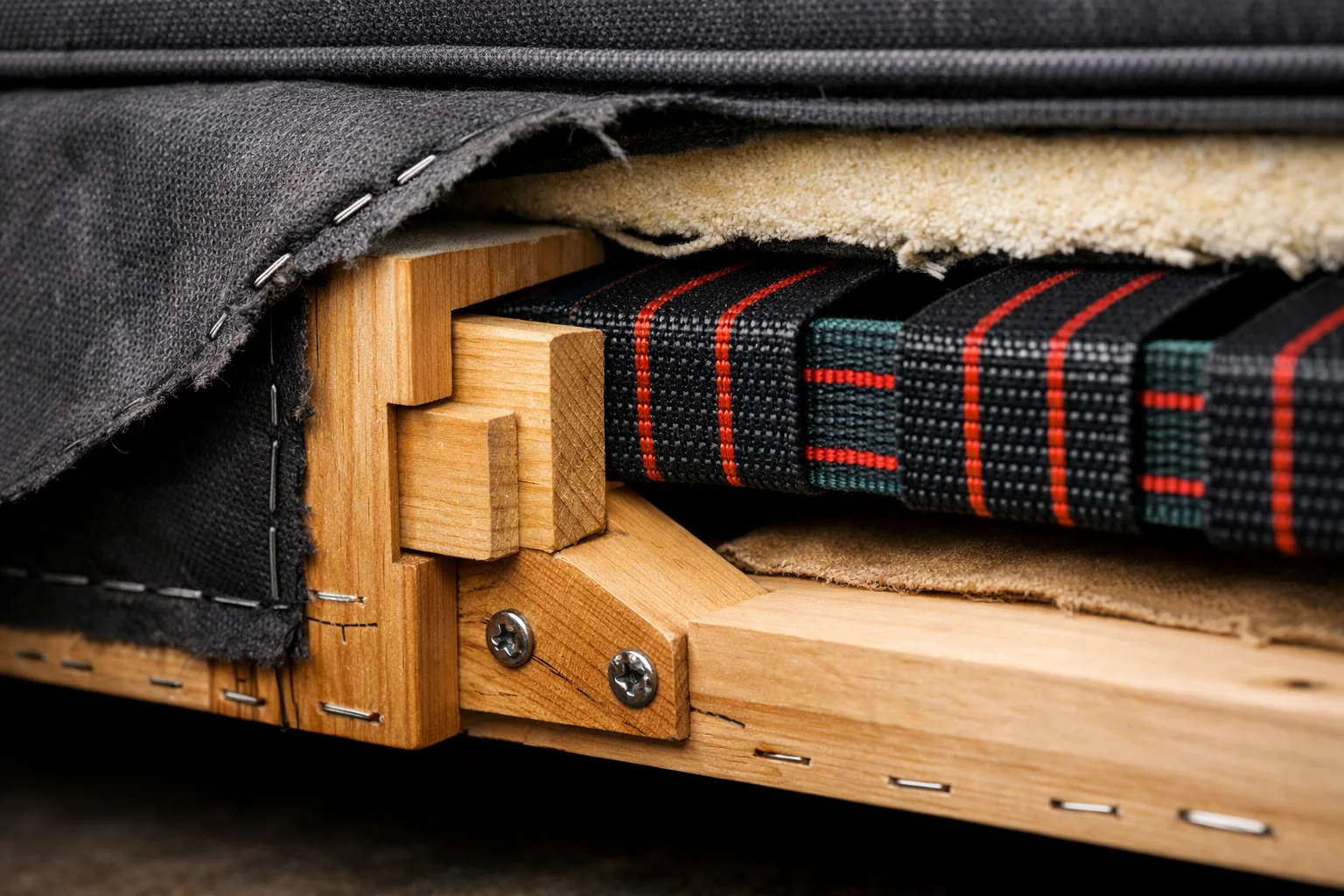
Elastic webbing is basically a woven grid of wide rubber and fabric straps, a lot like seatbelt material, stretched across the frame to hold you up. You will see it most often on modern, low profile sofas where the seat is shallow and the silhouette is clean.
When it is new, it tends to feel firm and kind of static. It does not have much bounce, and it does not “spring back” in a lively way the way some spring systems do, so the comfort relies heavily on the cushion design and thickness.
The problem is what happens a few years in. The rubber content slowly dries out and the straps relax, and that is when you get what I call the hammock effect, where the middle starts to dip and you feel like you are being pulled toward the lowest spot.
In a showroom, I try to confirm webbing in two ways. I ask directly, “Is the seat suspension elastic webbing?” because if they dodge the question, that tells me they do not want you thinking about it.
Then I do a sit test that is specifically designed to expose webbing that is already stretching. I sit in one spot for a minute, stand up, and look across the seat from the side. If the seat area itself seems to stay a little cupped even after I get up, that is webbing and foam telling you what the future looks like.
I also press down hard near the front edge where your thighs go, then I press again a few inches behind it. If the front edge feels like it collapses more than the rest, or you can feel a distinct slope toward the back, that is often webbing that is not tensioned well or is already losing its fight.
If the store lets you peek underneath, elastic webbing is easy to recognize. You will see crisscross straps stapled to the frame rails, usually in a neat grid, and if you press up on them they should feel tight, not floppy. If you can push the straps up a lot with just a couple fingers, I assume you will be sitting in a dip sooner than you want.
The most useful question I have learned to ask is not “Is it webbing?” but “Is it elastic webbing or non elastic webbing?” Non elastic webbing exists and can be better, but if they say elastic, I treat it as a budget suspension and I judge it like one.
My personal verdict is that elastic webbing can be acceptable when the sofa is a secondary seat, when you are furnishing a short term place, or when the design forces compromises and you are choosing looks on purpose. If you are buying the couch you will melt into every night, I avoid it, because daily lounging is exactly what accelerates the stretch and turns “firm and fine” into “permanent sag.”
Type 2: Sinuous Springs (The Standard)
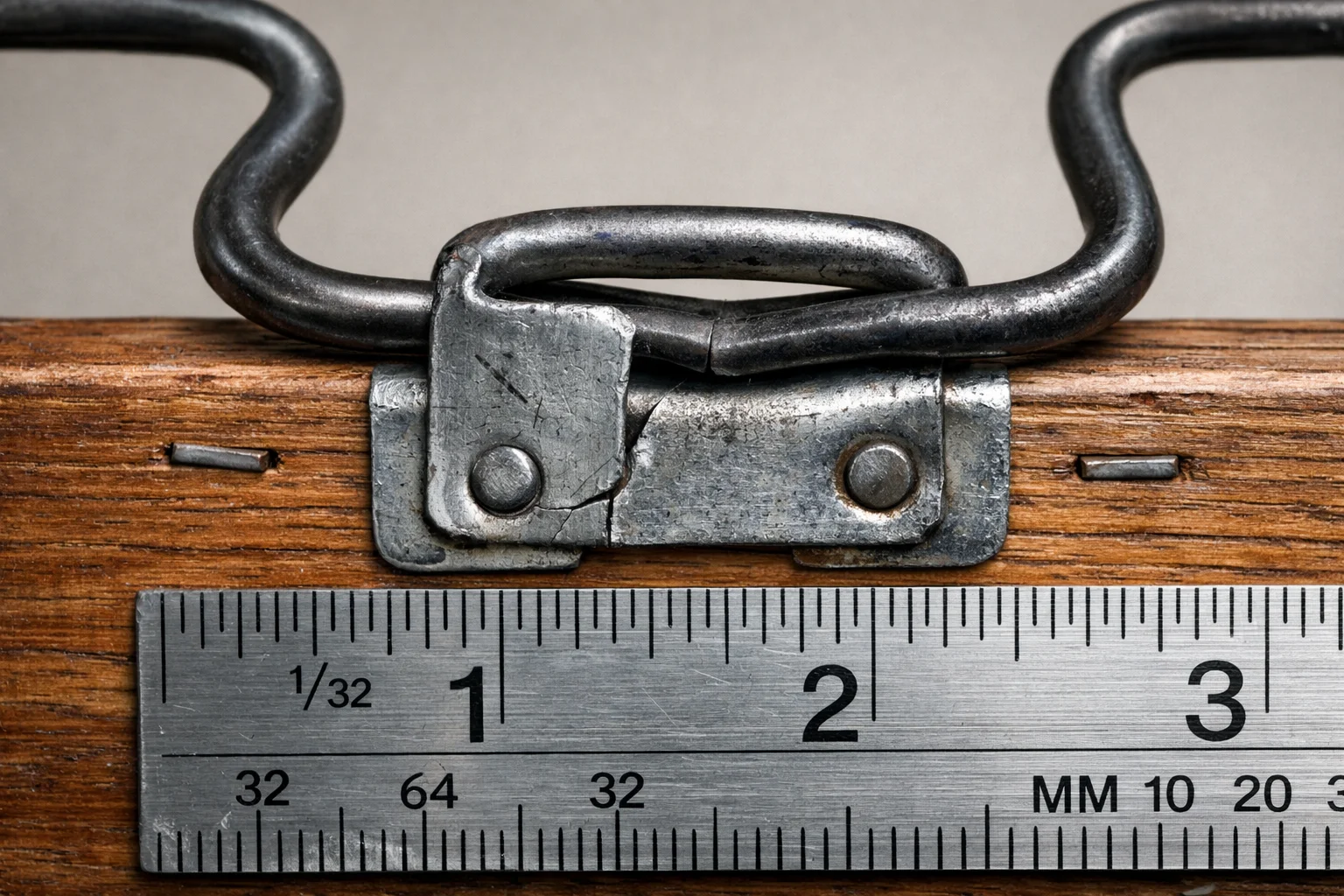
Sinuous springs are the serpentine, S shaped steel wires that run front to back under the seat. This is the most common “real spring” suspension you will find in mainstream sofas, and when it is done well, it hits a nice middle ground between cost, comfort, and longevity.
The feel is usually bouncy and responsive. When I sit on a good sinuous spring sofa, I feel it give and then push back, instead of just stretching and staying low like elastic webbing can.
The catch is that sinuous springs are a category, not a guarantee. A well built sinuous system can last a long time, but a cheap version can start to sag in a way that feels like the whole seat is turning into a shallow bowl.
In the showroom, I do two quick comfort checks that tell me a lot. First I sit down normally, then I shift my weight side to side and forward to the front edge. If the seat feels consistent wherever I move, that is a good sign the springs are evenly supported and not spaced too far apart.
Then I do my “front edge” press again, right where your thighs would be. With decent sinuous springs, the front edge should not collapse or feel like it is hanging from the frame, it should feel supported and springy.
If you are allowed to look underneath, sinuous springs are easy to spot even through a thin dust cover. You are looking for parallel rows of steel that curve in an S pattern, plus some kind of stabilizing wires or ties that keep the rows from twisting independently. If it looks like a few lonely springs with lots of open space, or you can feel big gaps between rows when you press around, I assume you will eventually feel those gaps from above as the cushion foam softens.
The most actionable question I have learned to ask is, “What gauge are the sinuous springs?” and then I stop talking and let them answer. I specifically want to hear 8 gauge, because thicker wire is harder to fatigue and less likely to take a permanent set.
If they say 11 gauge, or they cannot tell you anything beyond “it has springs,” I treat that as a warning. Thin wire can feel fine on day one, but it is more prone to sagging over time, and once the wire loses its shape, the seat never really comes back.
You can also catch weak sinuous springs without any specs. I sit, stand up, then press down with my palm in the exact spot I was sitting, and compare it to a spot a cushion width away. If the used spot already feels noticeably easier to push down on, that is the early version of the dip you are trying to avoid.
I personally consider sinuous springs a good default if you do not want to gamble on webbing and you are not trying to pay for a premium coil system. I just do not let “sinuous springs” end the conversation, I make sure the springs are thick enough, the support feels even across the seat, and the front edge does not act like a weak hinge.
Type 3: 8-Way Hand-Tied (The Gold Standard)
8 way hand tied means there are real coil springs under the seat, and someone actually tied them together with twine so the whole “field” of springs moves as a controlled unit. The “8 way” part is the tying pattern, front to back, side to side, and diagonals, which keeps the coils from wandering and keeps support even across the cushion.
When it is done right, this is the closest thing I have felt to a sofa that supports every inch of you instead of just catching you in the middle. The best way I can describe the feel is that it gives when you sit, then it meets you back up everywhere, instead of letting you sink until foam bottoms out.
In a showroom, I do my usual one minute sit, but with 8 way hand tied I am paying attention to how stable the comfort feels as I shift around. On a good one, I can slide a few inches left or right and it still feels like the same seat, not a “sweet spot” surrounded by softer pockets.
I also do my front edge test, because 8 way hand tied usually has great edge behavior when the frame and the rest of the build are serious. If I perch with my weight on the front third of the cushion, it should not feel like the seat is trying to hinge downward, it should feel supported and controlled.
The easiest way to get misled is to assume any tag that says “hand tied” means the good version. I ask you to say it out loud to the salesperson: “Is it eight way hand tied coils in the seat, or is it just ‘tied springs’?” If they cannot answer clearly, or they pivot to talking about the cushions, I treat that as a sign the store does not want you inspecting what you are paying for.
If the store lets you look underneath, I try to confirm that there are actually coils and actual twine work, not just a flat spring unit with a fancy description. Many sofas have a dust cover, so you might not see much, but you can often feel the difference through it by pressing up with your hand. Coils feel like distinct spring points under a firmer “grid,” while cheaper systems feel like open spans and simpler wires.
Here is the thing I wish someone had told me earlier: 8 way hand tied is not a magic spell that cancels out the rest of the sofa. I have sat on “premium coil” sofas that still felt wrong because the cushions were cheap foam, the seat was too shallow for my body, or the frame felt flexy when I leaned back.
So when you find an 8 way hand tied sofa that feels amazing, I want you to do one more check before you fall in love. I put my hands on the arms and gently rock my weight, not to be rough, just to feel whether the whole piece stays solid or whether the frame seems to rack and creak, because a great suspension cannot save a weak structure.
Price wise, this is expensive because it is labor, not just materials. If you are being charged for “the gold standard,” I personally want to see that the whole sofa is acting like a long haul buy, meaning solid feel, even support across the seat, and a front edge that does not collapse when you sit like a normal person.
The payoff is longevity and comfort that tends to stay recognizable for a very long time. If you are furnishing your main living room sofa and you keep sofas for a decade or more, this is one of the few upgrades that I actually feel in daily life, not just in the spec sheet.
Beware "Drop-In" Coils
Some manufacturers sell “coil suspension” that is really just a pre made metal spring unit, basically a grid, that gets dropped into the frame like a tray. It sounds premium on a tag, especially if the salesperson says “coils” and lets your brain connect it to 8 way hand tied, but it is usually a completely different thing.What disappoints me about this setup is how it behaves over time. It can be loud and squeaky, and when it starts to loosen up, the seat often loses that even, controlled support you are paying for when you hear the word coils. I have also found that a decent sinuous spring sofa can feel quieter, more consistent across the seat, and less fussy than these cheap coil units.
In a showroom, I try to catch it with two simple checks. I listen first, because a hollow metallic creak when you shift your hips is a clue that you are sitting on a self contained spring tray rubbing against the frame. Then I do the “map the seat” test, where I press down hard in several spots across the cushion line, because drop in units often feel like they have distinct zones, with a slightly firmer line here and a softer pocket there.
I also ask a question that forces clarity: “Are the coils individually tied into the frame, or is it a drop in coil unit?” If the answer is vague, like “it has coil suspension,” I treat that as a dodge and I assume it is the cheaper insert unless they can explain what makes it different.
Price is not a perfect lie detector, but it is a useful reality check. If a sofa is priced under about $2,000 and someone is implying you are getting true 8 way hand tied, I personally do not buy that story. Real 8 way hand tied costs money because someone has to actually build it and tie it, and the price usually reflects that labor.
If you like the feel of the sofa otherwise, I would rather you choose an honestly described sinuous spring build than overpay for “coil suspension” that is mostly marketing. My goal when you are standing on the sales floor is simple: make sure the fancy word on the tag corresponds to a support system that stays quiet, stays even, and stays supportive after the showroom glow wears off.
Technical Summary: The Selection Matrix
If you want a simple filter that keeps you from getting hypnotized by fabric and throw pillows, I use price as a rough “what suspension is even plausible here” check, then I confirm it with one direct question and one quick sit test.
When you are looking at sofas in the roughly $500 to $1,500 range, I assume you are most likely dealing with elastic webbing or lighter duty sinuous springs. In that band, I stop expecting the deck to be the hero, and I start judging whether the seat feels evenly supported today and whether the store is being honest about what is under you. If you buy in this range, I personally try to avoid anything that already shows a hammock dip when I do my one minute sit, because there is not much “extra” structure waiting to save it later.
When you are shopping in the roughly $1,500 to $3,000 mid range, this is where I think you should get picky and where you can often get real value. This is the range where I want you to explicitly ask for 8 gauge sinuous springs and then act like it matters, because it does. If they cannot tell you the gauge, I treat the sofa as a question mark and I lean harder on the physical checks, especially the front edge press and the “compare the spot I sat in to the spot next to it” test.
When you are looking at $4,000 and up, that is where I personally stop accepting vague promises and start demanding true 8 way hand tied, not “coils,” not “hand tied,” not a drop in unit with a fancy label. If a store is charging you high end money, you deserve a deck that stays supportive and even years later, and for me that means actual tied coils or I keep looking. If they will not clearly confirm what it is, or they cannot explain it in plain language, I take that as a sign you are paying for the showroom story instead of the structure.
The important part is that this matrix is not a guarantee, it is a way to aim your questions. I still sit, shift, perch on the front edge, and listen for noise, because a well built deck feels consistent even before you know what it is, and a weak one always leaks clues if you give it a minute.
Explore Technical Reference
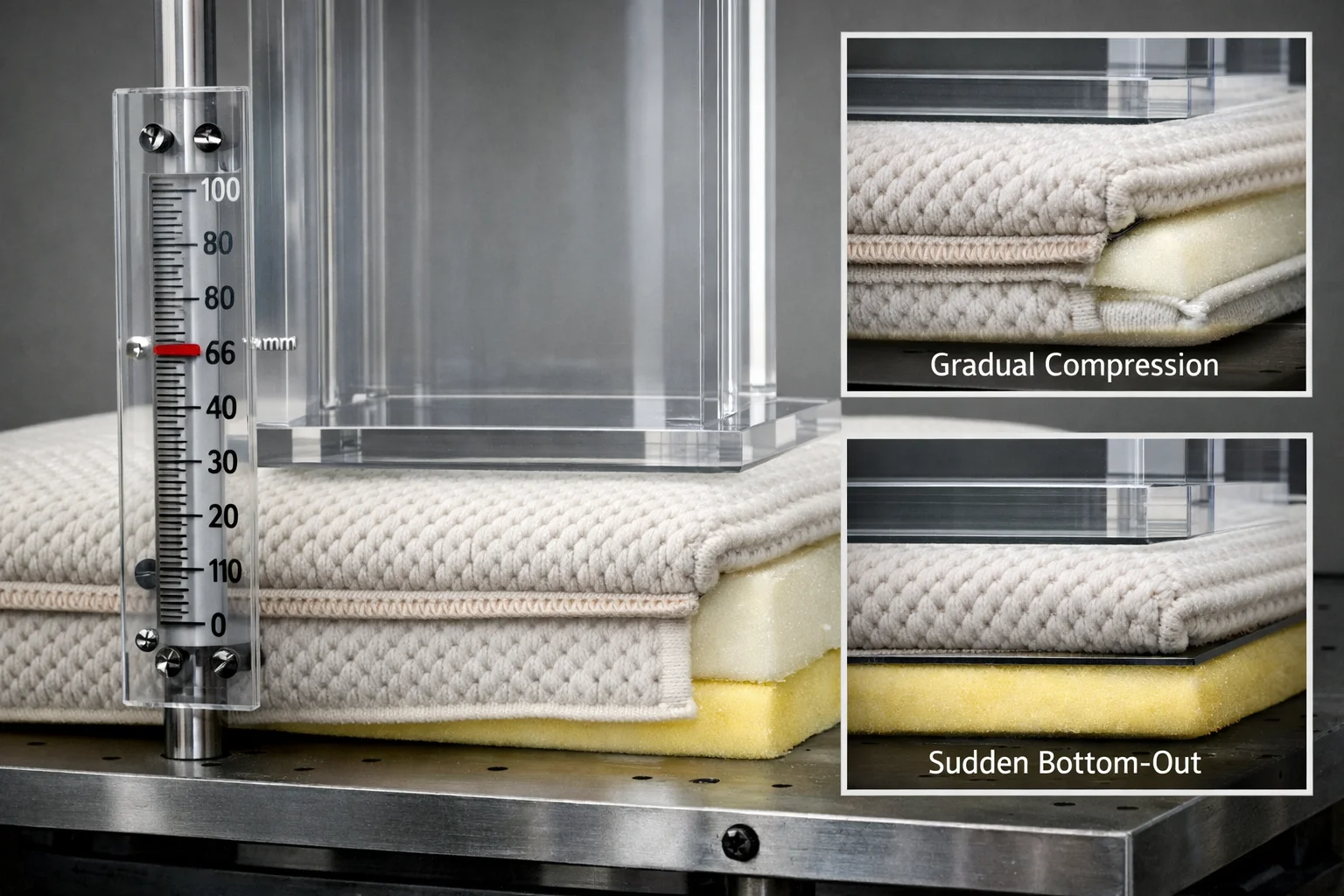
Cushion Construction: Why Multi-Layer Design Matters
Understanding the sandwich approach to cushion engineering. Why single-layer foam fails and how manufacturers stack layers for both comfort and support.
Analyze Details →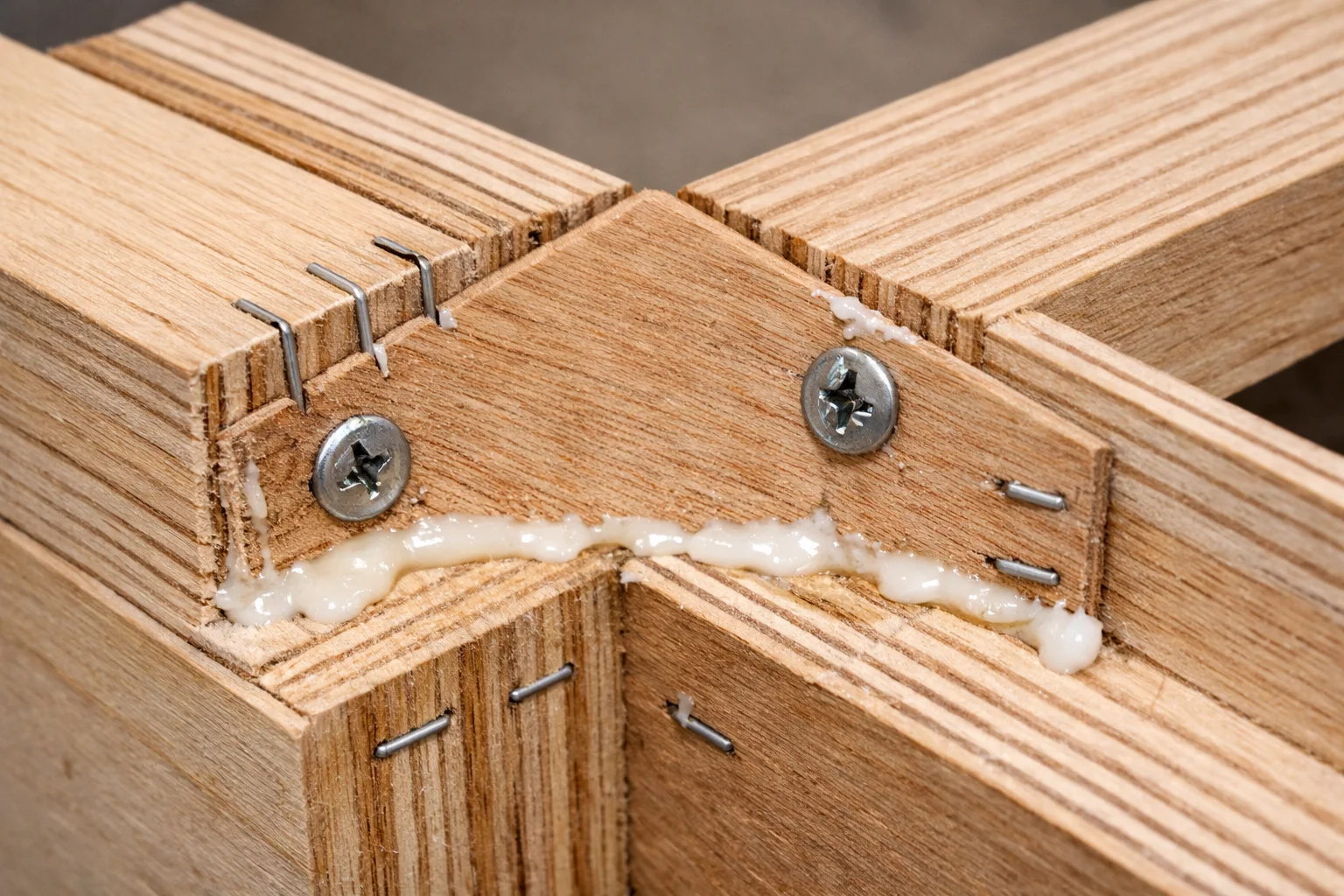
Plywood Frames: The "Engineered" Advantage
Why plywood frame quality varies dramatically from garbage to greatness. Understanding ply count, void content, and why some manufactured wood outperforms solid wood.
Analyze Details →