Planned Obsolescence: Sofas You Can't Fix
Introduction
After that call, I started looking at sofas differently. I stopped seeing “modern” or “minimal” and started seeing what was actually replaceable, what could be tightened, and what was quietly designed to be thrown away.
If you take one thing from my mistake, let it be this. A sofa is not just fabric and a shape, it is a set of parts that will wear out at different speeds. When a store makes those parts impossible to separate, you are not buying a long lasting sofa, you are buying a countdown.
In a showroom, your job is to figure out whether the sofa is built like a serviceable piece of furniture or a sealed unit. I do not mean whether it feels comfy for thirty seconds. I mean whether, when the foam softens, the webbing sags, or the seat starts to hammock, you can fix just the worn part instead of paying to replace the whole thing.
You can get to that answer with a few blunt questions and a couple of quick checks. I ask the salesperson whether the seat cushions come out, whether the covers come off, and whether the seating is attached with glue. If they cannot answer clearly, or if they say the fabric is bonded to the foam, I treat that as a warning sign because it usually means no one can re stuff it neatly later.
Then I look for simple evidence of separable layers. If you can unzip a cushion and see a foam insert, that is a good sign because foam is a normal wear item. If the seat is one smooth, tight panel with no zippers, no removable cushions, and no access under the seating area, I assume it is built to be replaced, not repaired.
I also pay attention to how the sofa is meant to be maintained. If the care tag reads like a chemistry lab, or the fabric is so pale and unprotected that you would be afraid to live on it, that is not a design flaw, it is a life tax. A sofa you cannot clean or refresh without special services is a sofa you will eventually resent.
This guide is about helping you avoid that resentment. I am going to walk you through what I check in person, what questions actually matter, and what answers usually mean, so you can spend your money on something that stays comfortable and fixable instead of something that just photographs well.
The "Tight Seat" Trap
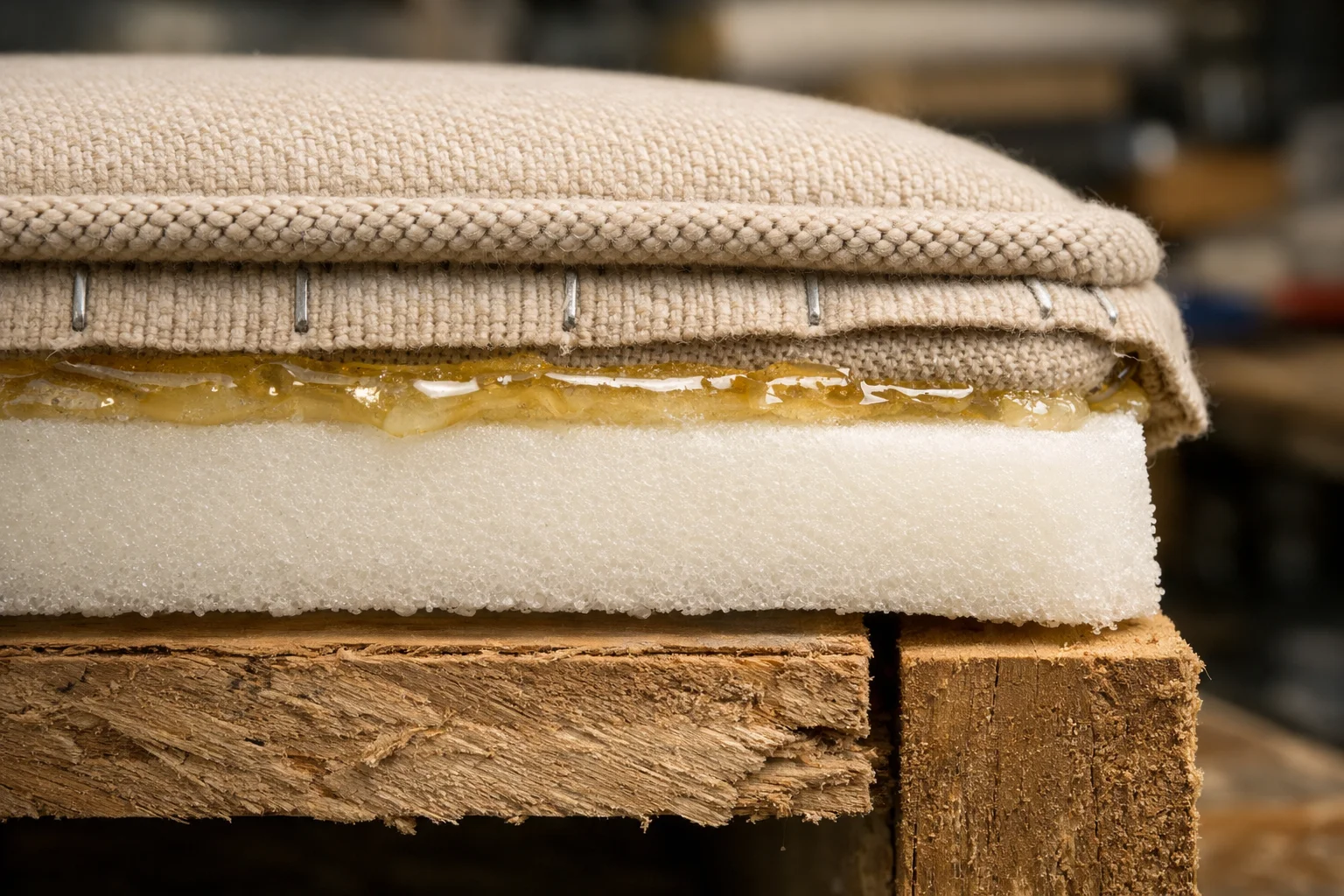
If the seat cushion is sewn or upholstered directly into the frame, what a lot of showrooms call a tight seat, I treat that like a big flashing warning sign. It can look clean and tailored on day one, but it quietly removes the easiest repair you will ever need on a sofa, replacing tired foam.With a loose cushion, the fix is usually straightforward and relatively cheap because the cushion cover unzips, the old foam comes out, and new foam goes in. Even if you pay someone, you are often talking about a small job, the kind of thing that might run around fifty bucks if you are only swapping a simple insert and the cover is reusable.
With a tight seat, that same worn foam becomes an upholstery project. Someone has to open up the sofa like a can, pulling a huge number of staples, peeling fabric back without damaging it, cutting and shaping foam in place, then stretching and re-stapling everything so it looks neat again. That is why you will hear numbers closer to eight hundred dollars for the same basic outcome, because you are paying for labor and risk, not magical materials.
My blunt takeaway is that many tight seat sofas are effectively disposable. They might not be marketed that way, but the cost and hassle of restoring the seating is high enough that most people give up and replace the whole piece.
In the showroom, I do a quick reality check with my hands. I look for any sign that the seat is a separate unit, like visible cushion breaks, a zipper, or even just the ability to lift something out. If the seat is one continuous, smooth, upholstered deck and the salesperson describes it as “fixed,” “attached,” “bench,” or “tight,” I assume the foam is trapped.
Then I ask one specific question and wait for a specific answer. I ask, “When the seat foam softens, can I unzip the cover and replace just the foam?” If they start talking about rotating cushions, steaming wrinkles, or using a fabric shaver, they are avoiding the point, because none of that solves foam that has collapsed.
If you like the look of a tight seat, I try to get you to at least buy your way out of the trap with access. I ask whether the manufacturer sells replacement seat inserts for that exact model, and whether those inserts can be installed without removing upholstery. If the answer is no, or if they say a technician would have to “open it up,” I treat it as confirmation that the sofa is not meant to be refreshed.
There is also a comfort tell that shows up even on a new floor model. I sit in the exact spot I would normally sit, then I stand up and look at the seat surface from the side. If it shows a crease that does not rebound, or a shallow dent that stays visible, I assume the foam is already on the soft side and I am going to be stuck with it because I cannot just swap a cushion later.
If you want a sofa you can keep, I would rather see removable seat cushions even on a modern style. You can still get a clean look, but you also get a normal maintenance path when the seat stops feeling like a seat and starts feeling like a sling.
The 3 “Do Not Buy” Features
When I say “do not buy,” I mean I have seen these features turn into the same story over and over. The sofa looks fine in the store, it feels fine for a while, then one wear item fails and you discover the whole seating system is trapped, glued, or sewn in a way that makes a normal refresh either impossible or so expensive that you walk away.
The fastest way to shop is to treat these as hard stops unless the salesperson can show you a real workaround, not just reassurance.
The first feature I avoid is any seat construction where the cover is not removable and the foam is not accessible. You already saw why the tight seat is a trap, but I apply the same rule to loose cushions that are “loose in name only.” If you cannot find a zipper anywhere on the seat cushions, or if the zipper opens to reveal a liner that is stitched shut, I assume the foam is effectively permanent.
In the showroom I do something simple and slightly awkward on purpose. I unzip what I can, I feel for an inner liner, and I ask if the inner liner opens. If they tell you it is “stitched for quality” or “sealed to hold its shape,” that is usually code for “you will not be able to replace the foam without a full upholstery job.”
If you want a sofa that lasts, you want a future where you can buy foam like you buy tires. I am not asking for luxury, I am asking for access.
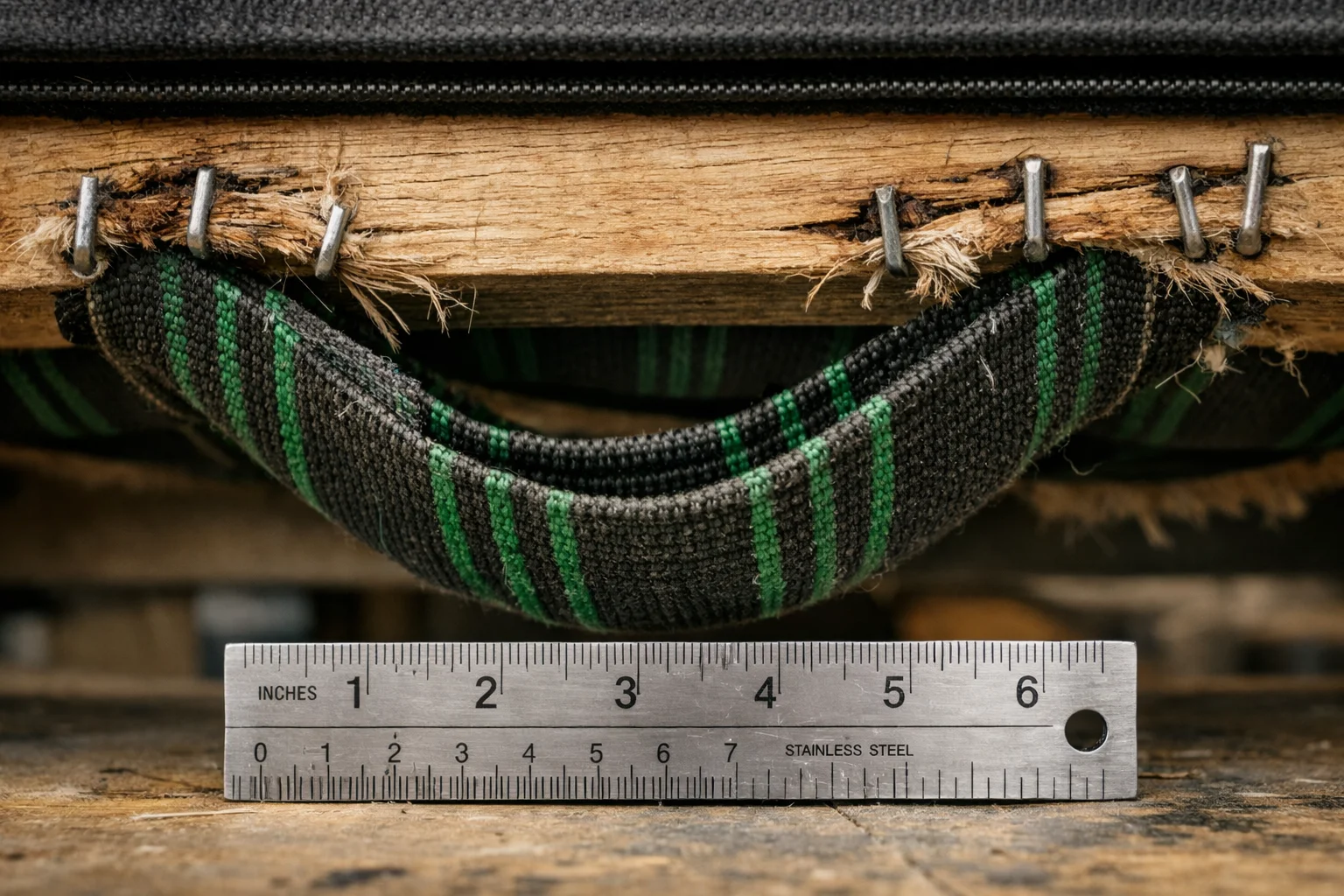
The second feature I do not buy is seating support you cannot inspect or that is built as a hidden, non replaceable layer. Most people focus on foam, but the thing that often ruins comfort first is what the foam sits on. If the support under the seat is a mystery, or the salesperson cannot tell you whether it is sinuous springs, webbing, or something else, I slow down because that usually means there is nothing serviceable down there.
You can do a quick check without tools. I kneel and look under the front rail, then I reach under the seat and press up with my hand. If it feels like a trampoline, or I can push the deck up easily and it does not feel evenly supported, I assume it will hammock sooner than later. If there is a dust cover stapled on so tightly that you cannot see anything, I ask if they can show me the support system on a cutaway, a factory photo, or even the same model without the cover.
What I am listening for is not a perfect material, it is a credible explanation and a path to repair. If they say the webbing is glued in and not meant to be replaced, or that the whole seat unit is a single module that is not sold separately, you are buying a sofa that has one life.
The third feature I avoid is upholstery that is bonded, laminated, or fused to padding in a way that prevents re stuffing and makes cleaning risky. This shows up as “bonded fabric,” “laminated backing,” or a very crisp, sculpted look on cushions that suspiciously have no zipper and no separate insert. Sometimes it is done to keep a super tailored shape, sometimes it is done to save labor, but the effect is the same, the fabric and the cushion stop being separate parts.
In the store, I pinch the cushion surface gently and try to slide the top layer over what is underneath. On a normal upholstered cushion, the fabric has a tiny bit of give and you can feel it move over the wrap. On bonded constructions, it often feels like one sheet, almost like the fabric is part of the foam, and that is when I know that even a small tear, stain, or foam collapse can become a whole cushion replacement, assuming replacements exist.
This is where I get very literal with my questions. I ask, “If my kid spills something and it soaks in, can I remove the cover and wash it, or at least have it professionally cleaned off the cushion?” If the answer is no and the cushion is also not replaceable as a unit, I walk, because you are one accident away from living with a permanent mark.
If any of these features are present, I do not let the showroom comfort test talk me into it. I have learned that the good feeling you get on a brand new floor model is cheap compared to the bad feeling of realizing the sofa was designed as a sealed object, not a maintainable piece of furniture.
1. Bonded Leather (The Peeling Disease)
If there is one upholstery material I personally treat as a hard stop, it is bonded leather. It gets sold as “leather” at a price that feels like a deal, and in the showroom it can look convincing because the surface is basically a painted finish.
Bonded leather is not a hide the way most people mean it. It is leather dust and scraps mixed into glue, spread as a thin layer, then finished with a color coat on top of a fabric backing. What you are really sitting on is a coated sheet, not a durable skin.
The reason this matters is the way it fails. Real leather tends to show wear as drying, cracking, or scuffing that builds slowly and can sometimes be improved with conditioning and careful care. Bonded leather usually does not “age,” it delaminates, and when it starts it looks like peeling sunburn because the top layer lifts and comes off in flakes and then sheets.
In a showroom, I do not wait for a label to tell me. I rub the surface firmly with my thumb in an inconspicuous spot, like the outside of an arm near the back where nobody stares, and I watch whether the color looks like it is sitting on top rather than being part of the material. If it looks plasticky, overly uniform, or like a painted layer, I get suspicious.
Then I do a second check that has saved me from bad “leather” more than once. I look at the edges and transitions, especially around piping, seams, and the underside of cushions, and I try to find a place where the backing is visible. Bonded leather often gives itself away by looking like a fabric sheet underneath with a coating on top, not like a continuous piece of hide.
I also ask the salesperson to say the exact words, not just “it is leather.” I ask, “Is this top grain, full grain, split leather, or bonded leather?” If they answer with marketing language like “leather match,” “genuine leather,” “leather gel,” or “bonded for durability,” I slow the conversation down until they tell me what is on the seating surfaces you actually touch.
If you hear “leather match,” assume the parts you sit on might be leather and the sides and back might be vinyl, which is not automatically a deal breaker if the price reflects it and you are fine with it. If you hear bonded leather, I would walk, because the failure mode is not something you can live with gracefully.
The part people miss is repairability, or really the lack of it. Once bonded leather starts peeling, there is no real patch that blends in, and there is no repaint that stays put, because the underlying layer is already separating. Even if someone manages to make it look a little better for a short time, the peeling tends to migrate because the material is failing as a system.
So when I am standing in the store, I frame it in a very blunt, practical way. I assume that if bonded leather starts peeling where your head rests or where you slide in and out, the sofa is effectively done, because you cannot reupholster just that thin surface layer and make it match, and most manufacturers do not sell new “skins” for a bonded product.
If you want the leather look on a budget, I would rather you buy a good fabric or a decent synthetic that is honest about what it is, than pay extra for bonded leather because the word “leather” is on the tag. You are not paying for longevity with bonded leather, you are paying for a short term finish that is notorious for turning ugly in a way you cannot undo.
If you are on the fence and the salesperson is pushing it, I ask you to do one last thought experiment before you buy. Picture the exact spot where your body will touch every day, then picture that spot with the top layer missing in a palm sized patch, because that is what peeling looks like. If that image makes you cringe, that is your answer, because bonded leather does not give you a normal wear path, it gives you a cliff.
2. Integrated “Shell” Frames
Integrated shell frame sofas are the ones where the arms and back look like one continuous molded shape, often in those retro modern silhouettes where the upholstery looks stretched perfectly over a smooth form. In plain terms, the structure is not a bunch of separate wood rails you can get to, it is more like a hard inner tub that everything is built around.
The reason I treat these as a serious risk is how they fail. If that internal shell cracks, which can happen from a bad drop in delivery, someone flopping hard on the arm, or just stress concentrating at a corner, you usually cannot get to it without stripping the upholstery off the whole body. On many of these designs, the fabric is basically wrapped and locked on in a way that makes “peek inside and tighten something” impossible.
What makes it worse is that the shell material is often plastic or fiberglass, and when it breaks it is not like a loose screw you can snug up. A crack tends to spread, it creaks, and the sofa starts to feel strangely wobbly even if the cushions are fine. By the time you notice it, the fix is either destructive or so labor heavy that nobody wants to do it cleanly.
When I am in a showroom, I do not rely on the look, I try to figure out whether it is a shell build or a normal frame wearing a sleek shape. I run my hand along the inside of the arms and along the back and I press in a few places, because shell sofas often feel like there is a hard, continuous wall right under a thin layer of padding, not the slightly varied feel you get over a wood frame with webbing and upholstery layers.
Then I do a very unglamorous test. I grip the arm near the front and give it a gentle twist, then I do the same on the other side, because shell designs can hide weakness until you load them sideways. I am not trying to damage it, I am listening for clicking, creaking, or that brittle sounding complaint that tells me the structure is a single stressed piece instead of a braced assembly.
The most important part is the conversation. I ask, “Is the back and arm structure a molded shell, and if it cracks, can it be repaired without removing the upholstery?” If the salesperson says it is a molded shell and then waves it off with “they do not crack,” I treat that as non information, because anything can crack if it gets hit the wrong way in a truck.
If they cannot give you a real service path, like a replaceable frame component or a way to access fasteners, I would assume repairability is effectively zero. Even if a talented upholsterer could theoretically rebuild it, the reality is you would be paying for a full teardown just to reach the problem, and you still might end up with a patch on a broken shell that never feels quite right again.
If you love the look and you are tempted anyway, I would at least protect yourself by asking about the frame warranty in writing and, more importantly, what the warranty process actually involves. If the answer sounds like they would replace the entire sofa rather than repair it, that is your clue that this is a sealed object with no practical middle ground between “fine” and “done.”
My bottom line is simple. I have learned to be wary of sofas where the most important structure is hidden inside a single molded piece, because when that piece fails you do not get a normal repair, you get a replacement decision. If you want something you can keep, I would rather you choose a design that achieves a clean modern look with separate, accessible parts, even if it looks a little less like a sculpture.
3. Complex Tufting
Complex tufting is when you see buttons pulled deep down into the seat or back, with those dramatic little valleys radiating out like a diamond pattern. It looks expensive and tailored, but what you are really looking at is fabric being yanked tight to the inside with strings, and those strings are relying on the foam underneath to stay firm and hold tension.
The common failure is simple and annoying. When the foam starts to collapse, the button no longer has a solid “platform” to pull against, so it loosens, starts to wobble, and in the worst cases it dangles on its string like a lost tooth. Once you notice one loose button, you will usually notice the whole tufted area looking tired because the crisp geometry depends on even tension everywhere.
In a showroom, I treat deep tufting like a stress test you can do with your hands. I press down around a button firmly, then I release and watch how the area rebounds. If the foam feels already a little “dead” around the tufts on a brand new floor model, or if the fabric stays slightly puckered and does not spring back, I assume it is going to look sloppy sooner than you want.
Then I do something that feels nitpicky but has saved me from buying a headache. I pinch the button and give it a very gentle wiggle, not hard enough to damage anything, just enough to see whether it already has play. A tight, well done tuft feels anchored, a questionable one feels like it is floating, and once it is floating you are on the path to buttons that twist, tilt, or pop loose.
The reason I call this low repairability is that the “normal” fix you might want, replacing tired foam, is no longer normal. Those tufts are all tied through the upholstery, so to replace the foam correctly you often have to cut the strings, open the upholstery, rebuild the padding, and then re-tuft the whole section by hand to get the pattern even again. That is hours of skilled labor, and it is the kind of job where the sofa can come back looking slightly different even if the craftsperson is good.
So when you are shopping, I would rather you treat tufting as a choice you need to pay for in two ways, once at purchase and again later in maintenance. If you love the look, I try to keep you in the safer zone by favoring tufting on back cushions or inside backs where the foam is not taking your full body weight every day, and being much more cautious about deep tufting on the actual seat where wear is fastest.
I also ask a very specific question that cuts through the sales pitch. I ask, “If these buttons loosen in a few years, do you offer a repair service or replacement upholstered panels for this exact model, and what does that typically cost?” If they cannot describe any service path beyond “it should be fine,” I assume you are buying a look that has no practical refresh plan.
If you want the tailored vibe without the trap, I look for fake tufting details that are stitched or channeled rather than button pulled, or I look for shallow tufting that does not sink deep into the foam. It is not as dramatic, but it is usually more forgiving when the padding inevitably softens.
My bottom line is that complex tufting is not automatically bad, it is just a commitment. If you buy it, you should buy it with the expectation that restoring that crisp, buttoned look later is a real upholstery job, not a simple cushion refresh you can do with a zipper and a new foam insert.
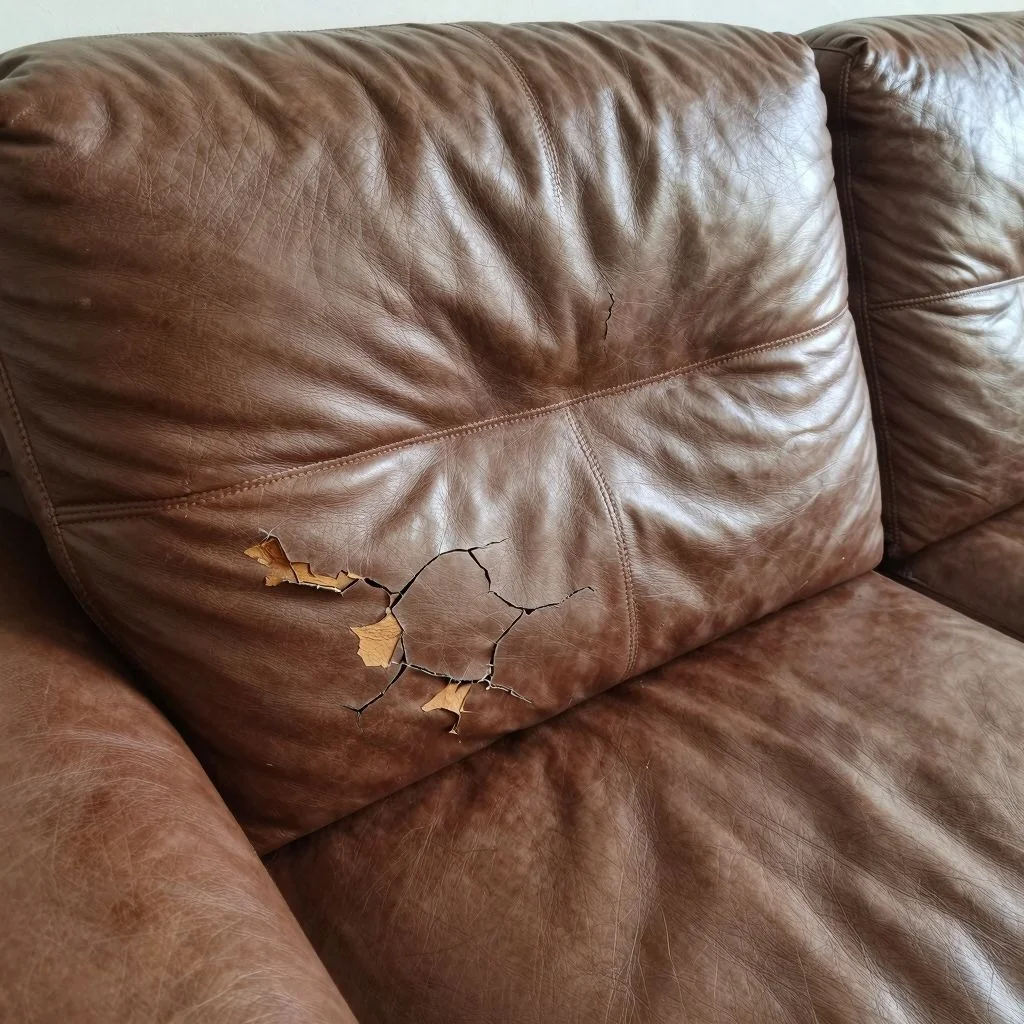
When you see bonded leather fail up close, it stops being a “materials debate” and turns into a simple buying rule. The surface you are touching is basically a coated film, and once that film starts separating, it does not wear in, it just comes off.
If you are in a showroom and you are trying to protect yourself, I want you to imagine this exact photo happening on the seat edge where you slide in and out, or on the top of the arm where skin oils and friction hit every day. That is the spot where the finish usually gives up first, and once it starts, you cannot condition it back into existence because the layer that is peeling is no longer attached.
The most actionable thing you can do is ask to see and touch a display swatch of the upholstery, not just the sofa on the floor. If they have a bonded leather swatch, bend it gently and look at the cut edge, because you can often see the “sandwich,” a fabric backing with a coated top, instead of a thick hide with a natural fibrous interior.
I also watch how the salesperson describes the failure when I bring it up. If I say, “I have seen bonded leather peel like this, what is the plan when that happens,” and they pivot to a warranty pitch without explaining what is actually covered, I assume the plan is for you to live with it until you replace the sofa.
If you still want a leather look, I push you toward an honest alternative you can live with. If you go fabric, you are choosing something that will fuzz, fade, or pill gradually, and you can often clean it and keep using it while it ages. If you go synthetic, you are at least choosing a single material that tends to crack or wear more predictably instead of delaminating in sheets.
What I want for you is not perfection, it is a failure mode you can tolerate. Peeling is a visual disaster that turns a usable sofa into something you feel embarrassed by, and that is why I treat bonded leather like a hard stop even when everything else about the sofa seems fine.
How to Spot a “Serviceable” Sofa
When I say a sofa is “serviceable,” I mean you can keep it feeling normal by replacing the parts that wear out first, without having to rebuild the whole thing. In a showroom, I am looking for proof that the maker expects the sofa to be maintained, not just admired.
The first thing I check is whether the seat and back cushions are truly loose. I try to lift each one out with one hand, because if I cannot pick it up, it is either attached, trapped by a tight deck, or shaped in a way that makes later work harder.
If the cushions come out easily, that is a big win because it usually means you can rotate them, clean around them, and deal with wear one cushion at a time. It also means you can take a tired cushion to an upholsterer later without hauling the entire sofa across town.
Right after that, I go hunting for zippers, and I do not mean “there is a zipper somewhere on the sofa.” I want a zipper on the cushion cover itself, ideally on the back side of the cushion where it will not scratch floors or show from across the room.
Then I actually open the zipper a few inches and look inside, because some brands tease you with a zipper that only opens to a sealed inner liner. If I see an inner bag, I feel for an opening or a second zipper, and if there is no way to get the foam out without cutting stitches, I treat it as a non serviceable cushion no matter how fancy the outside looks.
When the cover opens normally and the foam insert is accessible, I know what my future looks like. If the foam softens, I can replace foam, add a wrap, or rebuild one cushion at a time instead of living with a sag forever.
The next check I do is the legs, because legs are one of those small parts that cause big headaches. I crouch down and look for legs that screw into threaded inserts or are bolted on, because that usually means a snapped leg can be replaced without woodworking, drama, or a full return.
If the legs are carved as part of the frame, I slow down. That design can be fine until it is not, and when it gets gouged in a move, crushed in delivery, or cracked from a bad hit, you are no longer replacing a part, you are repairing structure and refinishing to match.
I also like replaceable legs for a boring reason, they make tightening and leveling possible. If a sofa develops a little rock on an uneven floor, or starts to creak because something loosened, having hardware you can access turns an annoying problem into a five minute fix.
When you are talking to the salesperson, I would keep it simple and slightly repetitive on purpose. I ask if the cushions lift out, if the covers unzip all the way off, and if the legs are removable and still orderable years later, and I wait for concrete answers instead of comfort talk.
If they say yes, I ask them to show me on the floor model, because “yes” without a demonstration often turns into “well, not on this configuration.” If they hesitate to let you unzip a cushion, I take that as a sign they do not really want you to see how trapped the internals are.
My personal rule is that a serviceable sofa should let you separate the stuff you sit on from the stuff that holds the shape. Loose cushions, real zippers, and replaceable legs are not luxury features, they are an exit route when normal wear shows up.
Technical Summary: The Serviceability Index
When I am standing in a showroom and I am trying not to get distracted by styling, I keep a simple idea in my head, how easy will this be to bring back to “normal” after a few years of real use. I call that the serviceability index, and it is basically my gut check for whether you are buying something maintainable or something sealed.
The easiest sofas to repair tend to be the ones with loose cushions you can remove and carry, regular upholstery fabric that can be cleaned or re-covered without special tricks, and wood legs that are bolted or screwed on. When those pieces wear out or get damaged, you can usually address the specific part instead of tearing apart the whole sofa.
The hard to repair zone is where the sofa looks tailored because the design is doing some of the work that removable parts normally do. Tufted backs look great until a button loosens or the padding gets tired, then the fix stops being “swap a cushion” and becomes “rebuild the whole tufted section.” Tight seats are the same story in a different outfit, because they trap the foam where you cannot reach it. Skirts sound harmless, but they often hide legs and access points, and they make it harder to see what is going on underneath when something starts to sag or lean.
The impossible to repair zone is where I stop thinking in terms of maintenance and start thinking in terms of eventual disposal. Bonded leather is the classic example because once it peels, it is not a repair problem, it is a material failure. Plastic frames and molded shells can be fine until they crack, and then you are usually looking at a structural failure you cannot meaningfully patch back to factory strength. Glued components are the quiet killer because glue can hold well at first, but when something lets go you cannot just tighten it, you often have to destroy surrounding upholstery to reach it, and then you still might not be able to reassemble it cleanly.
If you want to use this in a store without overthinking it, I would do one quick mental score. If you can remove what you sit on, unzip it, and see a normal insert, and if the legs look like they are meant to come off with tools instead of a saw, you are probably in the “easy” territory. If the sofa’s best features are things that permanently trap fabric and foam into the body, I assume you are paying for a look that is expensive to keep looking good.
When I ask salespeople about this, I try to force a yes or no answer by keeping it practical. I say, “If the seat feels flat in five years, can I replace only the foam without reupholstering the sofa,” and, “If a leg snaps in a move, can you order me one leg.” The way they answer tells me more than the warranty speech, because a serviceable sofa has an obvious path to parts and access, and a disposable sofa does not.
Explore Technical Reference
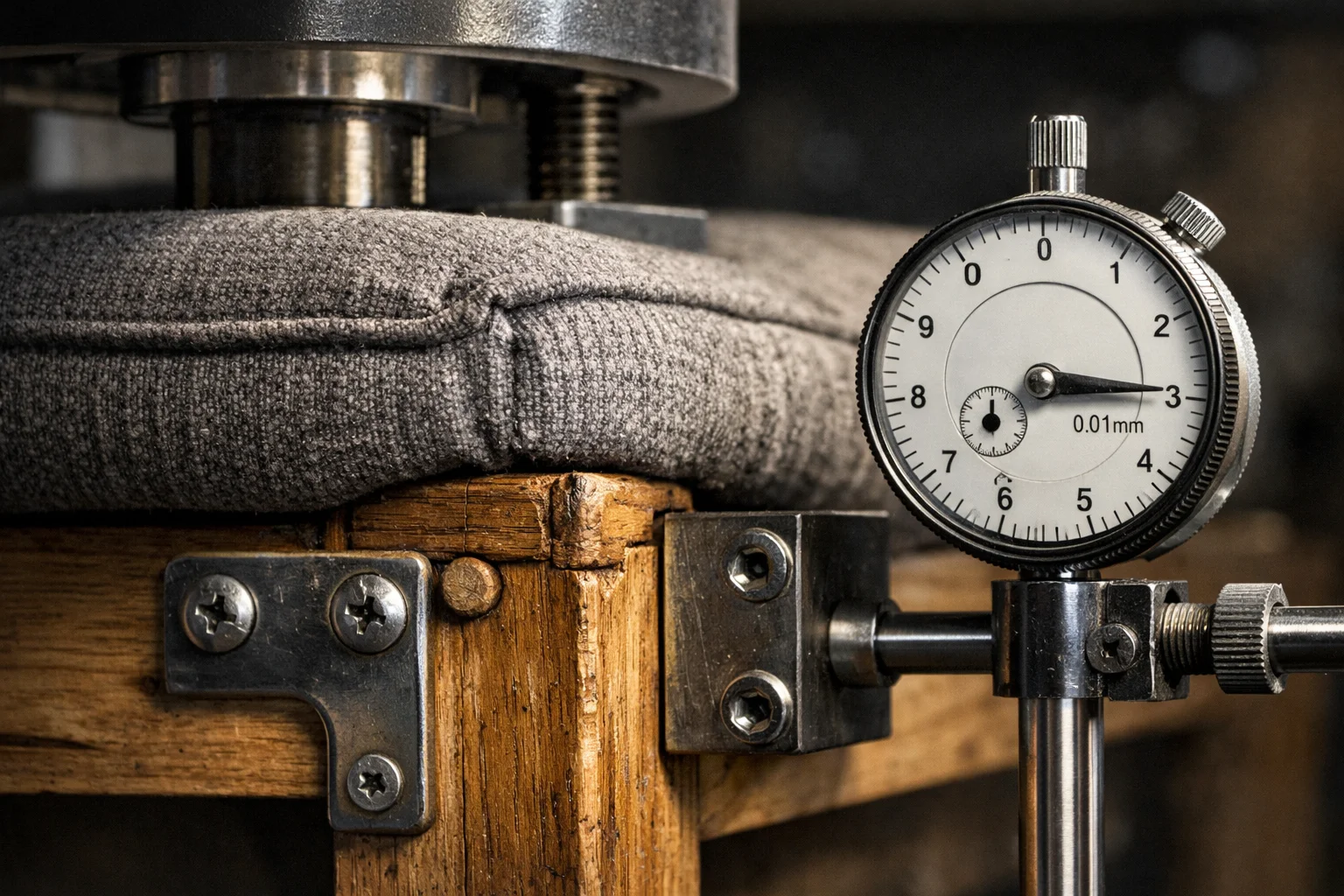
DIY Fixes: What Works vs. What's a Waste of Time
Separating realistic home repairs from internet myths. Understanding which sofa problems respond to DIY intervention and which require professional help or replacement.
Analyze Details →
The Crossroads: Repair, Restore, or Replace?
The ultimate flowchart. Evaluating the 'bones' vs. the 'skin'.
Analyze Details →