DIY Fixes: What Works vs. What's a Waste of Time
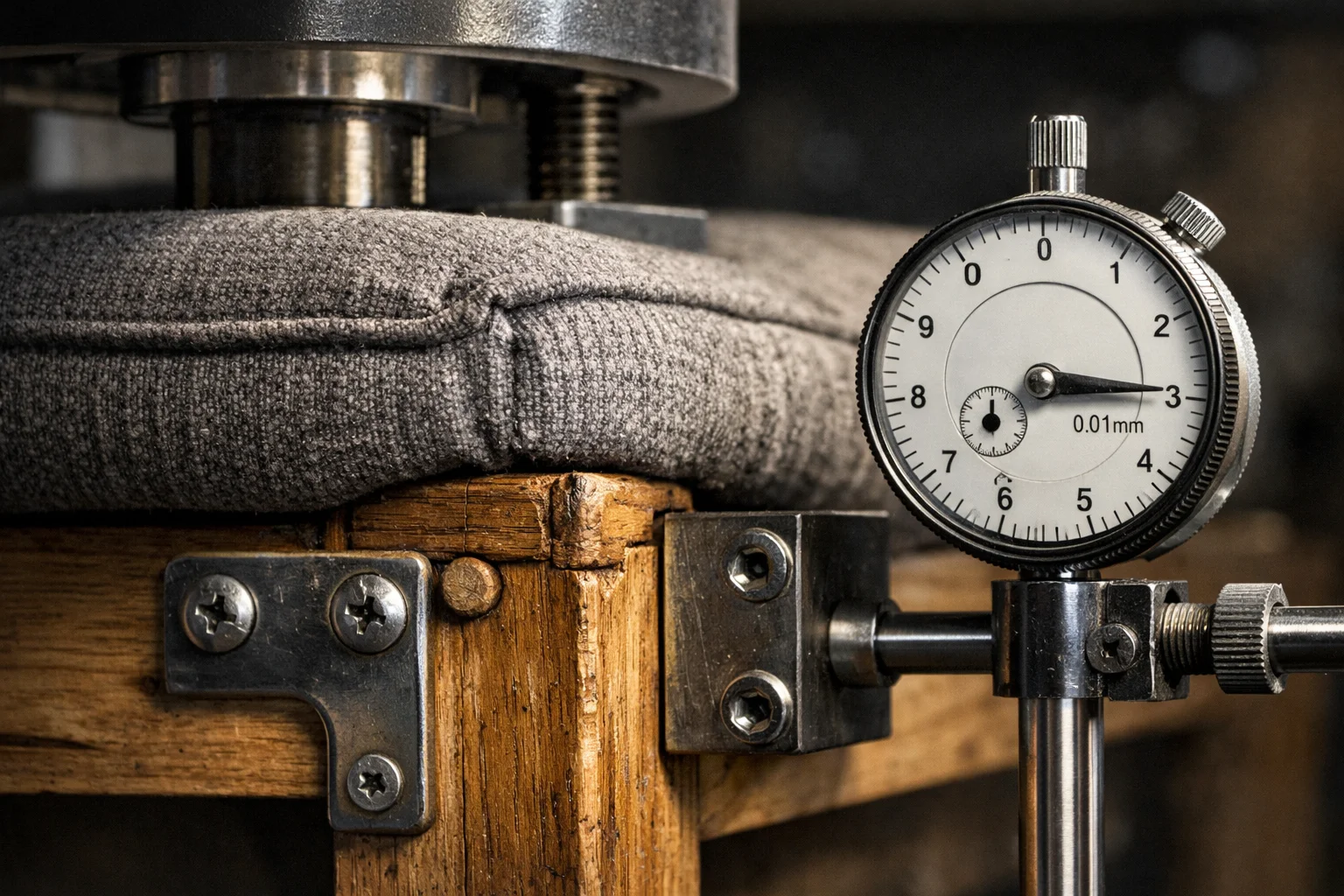
Introduction
I once tried to fix a broken sofa spring with zip ties. It lasted 4 seconds. The moment I sat down, the tie snapped like a gunshot. The internet is full of “Furniture Hacks,” but most of them are garbage. Physics doesn’t care about your hot glue gun.
That little failure taught me the main thing I want you to carry into a showroom, a sofa is not a decorative object, it is a machine that gets cycled thousands of times. Every sit is leverage, every flop is impact, and every time you slide into the same corner cushion you are testing the weakest part of the build.
This guide is for buying, not fixing. I am trying to help you avoid the kind of hidden problems that only show up after the return window closes, like sagging seats, a frame that starts to creak, cushions that pancake, or support that mysteriously disappears in the middle.
When you shop, I want you to act less like you are picking a color and more like you are checking a used car. You are going to press, lift, listen, and ask a few questions that make it hard for a sales pitch to stay vague.
If you only remember one mindset, remember this, comfort in the first two minutes is cheap. What you are really buying is how the sofa holds its shape and support after months of daily use, and you can often spot the future problems with a few simple checks before you ever pay.
The "Structural vs Cosmetic" Rule
When I am judging whether a sofa is a safe buy, I split problems into two buckets, cosmetic annoyances you can live with or handle yourself, and structural failures that turn into money pits.Cosmetic stuff is the kind of wear that looks bad or feels slightly off, but usually does not mean the sofa is about to collapse. Wrinkles and loose upholstery can happen just from normal use, especially on softer, relaxed styles, and they are often a styling choice as much as a defect. Flattened cushions are also usually cosmetic at first, and in a showroom I treat it as a warning flag that the fill might be cheap or the cover might be hard to remove and adjust. Loose legs can be cosmetic too if it is just hardware that needs tightening, but I always assume it is only “cosmetic” if the leg tightens firmly and stays tight after I gently rock the sofa.
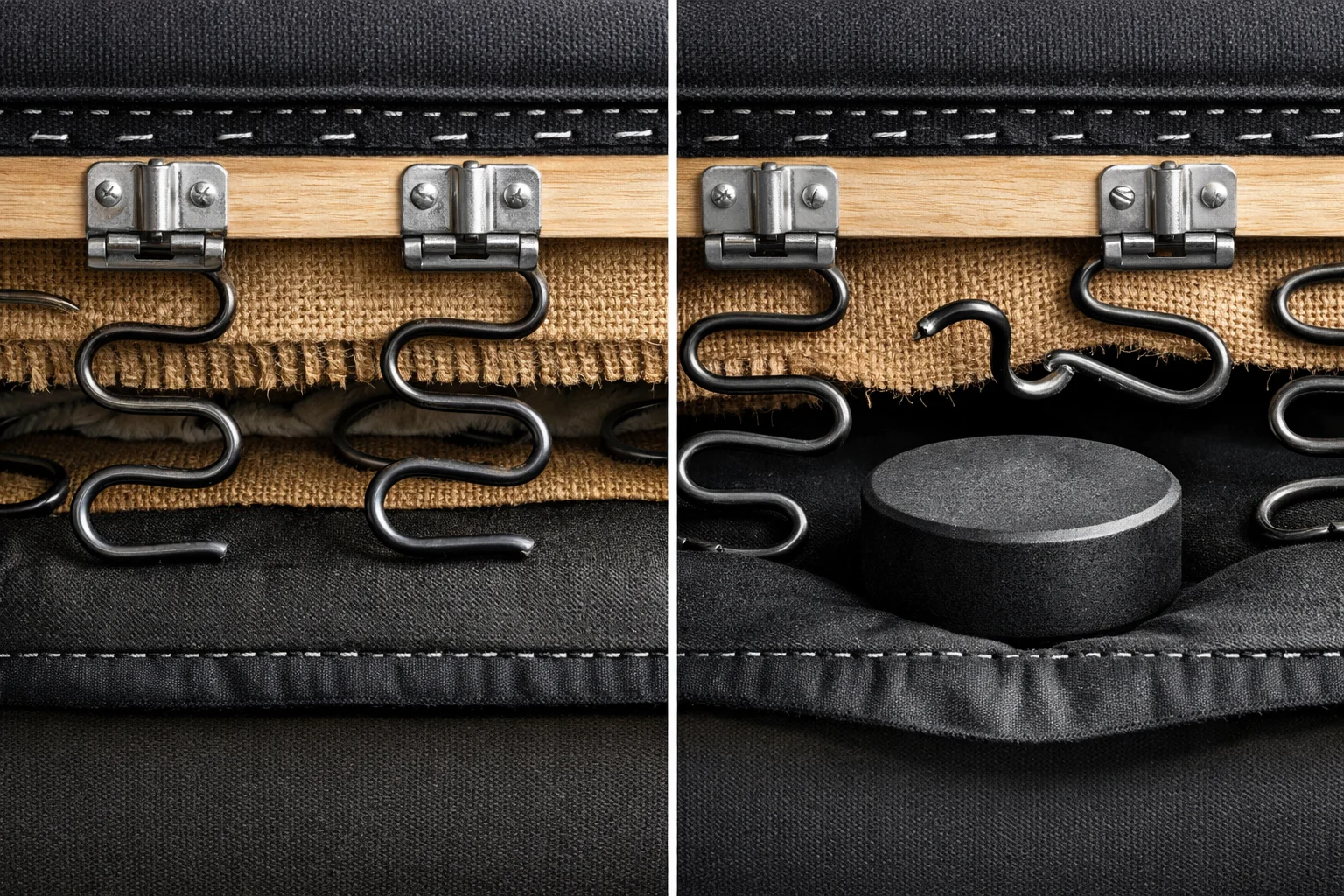
Structural problems are the ones I do not bargain with, because they tend to get worse fast and they are rarely a simple DIY fix. A broken frame shows up as twisting, lopsidedness, or a creak that feels like wood rubbing under load, and in a showroom I test this by lifting one front corner a few inches and watching whether the opposite side lifts cleanly or the whole thing racks and complains. Snapped springs often reveal themselves as a sudden dead zone where the seat drops more than the area next to it, or a metallic pinging sound when you sit and shift, and if I feel that, I walk away because it is the kind of problem that becomes a permanent sag.
Ripped fabric sounds cosmetic, but I treat it as structural in practice because it usually keeps ripping, and it can expose the padding and seams to even more damage. In a store, if I see fraying at a seam, a pulled thread that is already running, or a tear near a high stress spot like the front edge of a seat cushion, I assume it is telling me something about the fabric strength and the stitching, not just bad luck.
Here is the decision rule I use when I am tempted by a discount. If the issue can be fixed with tightening, fluffing, rotating cushions, or minor cover adjustment, I might still consider buying, but only if everything underneath feels solid and quiet. If the issue involves wood, springs, or tearing at load bearing seams, I treat the sofa as already on the path to failure, and I do not let a warranty pitch talk me into being the test pilot.
The Fixes That Actually Work
I am still going to keep this a buying guide, but I have learned something useful from the few fixes that actually hold up. The fixes that work are simple, and they all tell you the same thing, most day to day sofa disappointment comes from support that has stretched, cushions that have lost loft, or fabric that has gotten sloppy, not from some mysterious defect you can solve with glue.
When I am in a showroom and I find myself thinking “I could probably fix that,” I pause and ask a harder question, is it a cosmetic issue I can truly live with, or is it the sofa quietly telling me its support system is already on the edge.
The Plywood Board (The “Sinking” Fix)
The classic sinking problem happens when the support under the seat, usually sinuous springs or webbing, has stretched enough that you drop into a shallow bowl. You feel it as a spot where your hips settle lower than the area next to it, and it often gets worse quickly because you keep loading the same weakened zone.
The only instant, reliable hack I have seen is sliding a sheet of plywood under the seat cushions, right on top of the deck. It works because it bypasses the stretched support and turns the whole seat into a stiff platform.
If you ever feel tempted to do this at home, know what you are agreeing to, the sofa will feel much firmer, sometimes like sitting on a bench with padding on top. If you do it, I would wrap the plywood in an old blanket or towel so it does not abrade the upholstery fabric underneath the cushions.
Here is how I use this knowledge when you are buying. If you sit and notice that “hole” feeling, do not tell yourself you will fix it with a board later, treat it as a sign that the support system is already losing the fight. In a store, I press down hard with my palm near the front edge and then closer to the back, and I am looking for even resistance across the whole seat, not a sudden soft spot that collapses.
The Restuff (The “Saggy Back” Fix)
Back cushions go sloppy all the time, especially if they are filled with loose fiber instead of foam. The cushion still technically works, but it looks deflated, it stops supporting your shoulders, and it makes the whole sofa look older than it is.
The straightforward fix is adding more polyester fiber fill, the common craft store kind often sold as Poly Fil. You unzip the back cushion and push handfuls into the top corners first, because that is where the droop shows the most and where support disappears fastest.
This is worth knowing while you shop because it tells you what is acceptable wear and what is a red flag. If the back looks a little tired on the floor model but the cover has a zipper and the insert feels like it is just underfilled, I do not panic. If there is no zipper, the cushion is sewn shut, or the inner bag looks flimsy and lumpy through the cover, I assume you will be stuck with the sag, or paying someone to open and resew it later.
The Steam (The “Wrinkle” Fix)
Loose, puddled fabric looks like a quality problem, but sometimes it is just the upholstery relaxing after shipping, handling, and people sitting in it all day. I have seen this a lot on softer, casual styles, especially when the cover is a natural fiber blend or when the padding underneath has compressed a bit.
A handheld steamer can help because gentle steam lets some fabrics tighten back up and lets foam rebound a little, so the cover looks less baggy. The key is gentle, slow passes, and I keep the steamer moving so I am not soaking or overheating one spot.
In a showroom, I use wrinkles as a clue, not a verdict. If the fabric is wrinkled but the seams are straight, the pattern is not twisting, and the cushions still feel supportive and even, I treat it as cosmetic. If the fabric is wrinkled because the cushion has already pancaked, or the cover is sliding and pulling at the seams when you stand up, I assume the looseness will come back no matter how much you steam, because the real issue is what is happening underneath.
The Fixes That Fail (Don’t Bother)
Some “repairs” are so popular online that you will catch yourself thinking they are normal maintenance. I have learned the hard way that these are the ones that waste your time, and worse, they can hide a real structural problem long enough for you to miss your chance to return the sofa.
The “Zip Tie” Spring Repair
If a sofa has a spring that popped loose or snapped, a zip tie is not a repair, it is a countdown. Springs sit under serious tension, and plastic just is not in the same universe as the forces happening under your weight.
I treat this as buying advice because it tells you what to do when you feel that sudden drop or “dead zone” in a seat. If a salesperson suggests it is a quick fix, or if you catch yourself thinking you can just lash something back in place later, you should interpret that as “the support system is already failing.” In a showroom, if I feel a seat that dips more in one spot than the rest, I do not negotiate, I walk.
The real repair is replacing the spring and using the correct metal clips, which is exactly why I do not want to buy a sofa that needs it. If you are shopping and you cannot get a straight answer on what support system it uses, or you are not allowed to remove cushions to feel the deck evenly, I assume you will be the one discovering the spring problem at home.
Wood Glue in a Crack
I have tried the “just squirt wood glue into the crack” approach on cheap furniture, and it is basically wishful thinking. If the joint is already moving, the glue line will just crack the moment the frame flexes again, and frames flex every time you sit down.
Here is how I use this while shopping, I do not forgive frame noise. If I hear creaking that seems tied to twisting, like it complains when I shift my weight side to side, I assume a joint is moving, not that it needs a dab of glue.
If you want a simple showroom test, I put one hand on the arm and one hand on the back near the corner and I gently rock, not violently, just enough to feel whether the structure moves as one piece. If I feel independent motion or a click, I stop imagining easy fixes, because the real fix involves opening the joint, cleaning it, gluing it, and clamping it for a full day, and most sofas are not built to make that kind of repair pleasant.
Painting Fabric
Painting upholstery sounds clever until you sit on it. Fabric paint turns something that is supposed to be soft and flexible into something stiff, then it starts cracking on the first high stress areas, usually the seat front edge and the places where you slide in and out.
This matters when you are buying because stained or faded upholstery is one of those problems that tricks you into thinking the structure is a bargain. If the sofa is otherwise perfect and the only real issue is ugly fabric, I do not plan on painting it, I plan on covering it.
The real fix is a slipcover, and I only consider that route if the sofa has clean, simple lines that a cover can actually fit without constantly shifting. In a showroom, if you are already thinking “I can just paint that,” I would rather you reframe it as “either I live with the stain, or I buy something designed to be covered,” because paint usually turns into a crunchy, cracked reminder that the original problem was not solved.
Technical Summary: The Safety Line
If I am in a showroom and I hear cracking when I sit down or shift my weight, I stop immediately. I am not talking about a little leather squeak or fabric rustle, I mean a sharp crack, a pop, or a creak that feels tied to the frame taking load. That sound usually means a joint is moving or wood is splitting, and once a frame starts “talking” like that, it rarely gets better with time.If I see metal where it should not be, I treat it as a hard no. A spring poking through the bottom fabric, a sharp clip, or anything metallic pressing into the dust cover tells me the support system is already out of position. Even if you think you can patch the fabric, the real risk is that it can cut you, it can chew through the upholstery again, and it is a sign that something underneath is shifting under tension.
If the only “fix” you can imagine involves cutting into the frame or breaking out a saw, you are past the point where this is a normal ownership problem. That kind of repair means you are effectively rebuilding structure, and unless you want a long, frustrating project with an uncertain outcome, the safest buying move is to walk away and keep shopping.
The DIY Repair Kit That Actually Works
- Polyester fiber fill (Poly-Fil) — the correct material for restuffing back cushions and adding loft to loose-fill seats.
- Handheld garment steamer — for the steam fix on puddled or wrinkled upholstery fabric.
- Sofa slipcovers — the only sensible alternative to painting stained or faded upholstery.
Explore Technical Reference
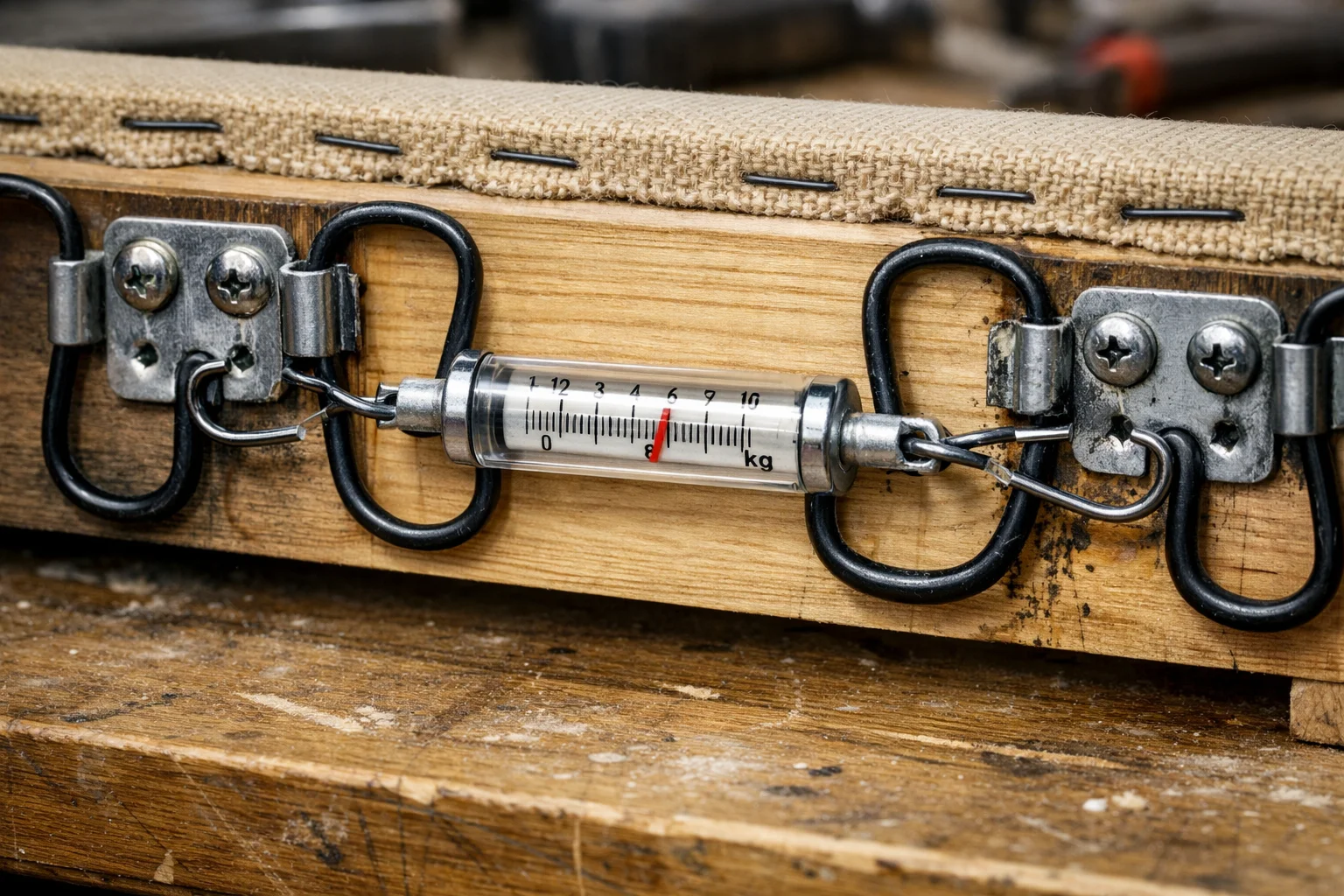
The Pro Line: When DIY Become Dangerous
Why some furniture repairs require professional skills and specialized tools. Understanding the boundary between accessibleDIY work and dangerous or complex professional territory.
Analyze Details →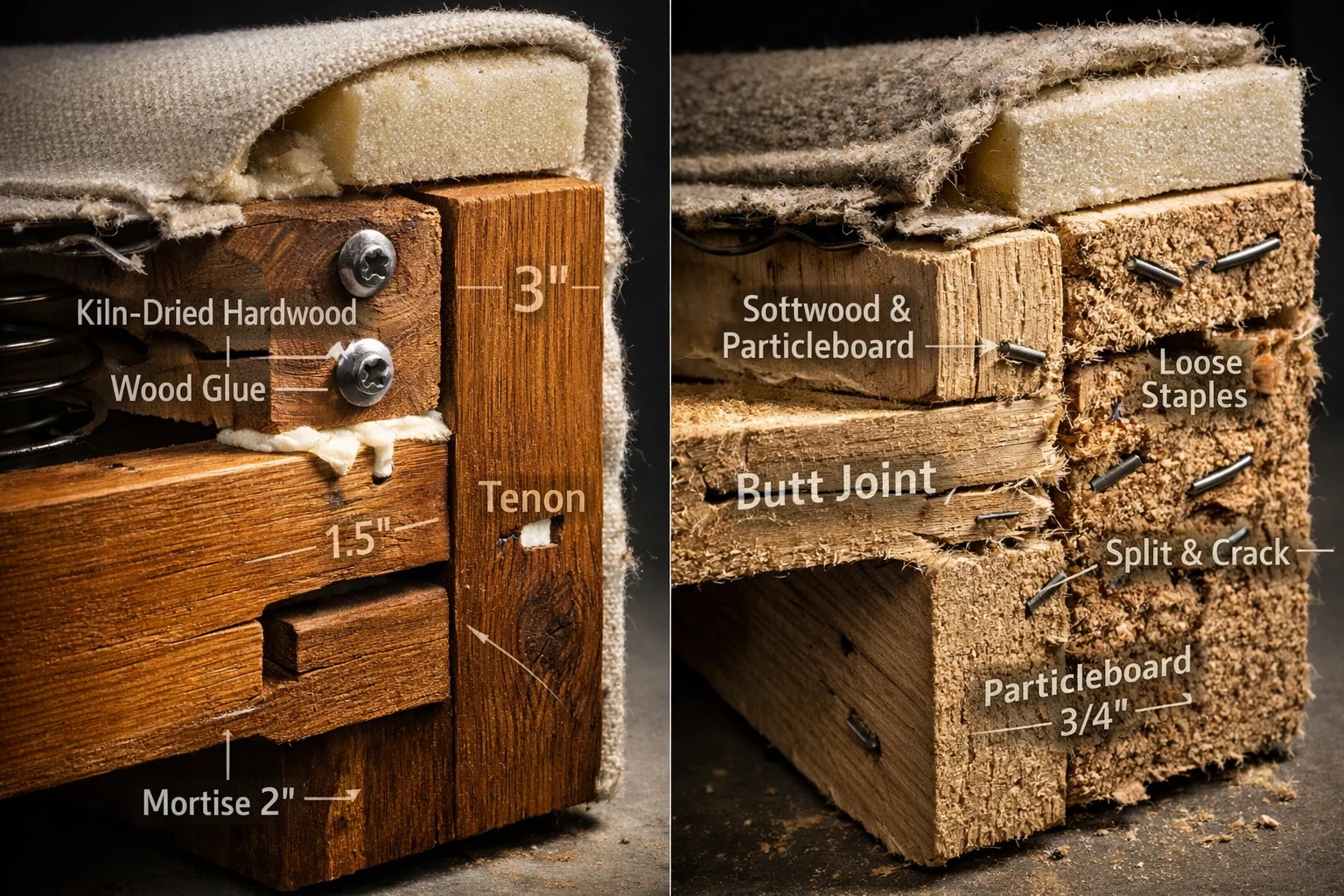
The Repair Formula: When to Fix vs. When to Fold
The 50% Rule. Assessing the 'bones' of your furniture before spending money on new fabric.
Analyze Details →