Fabric Stretch: Why Your Sofa Wrinkles
Introduction
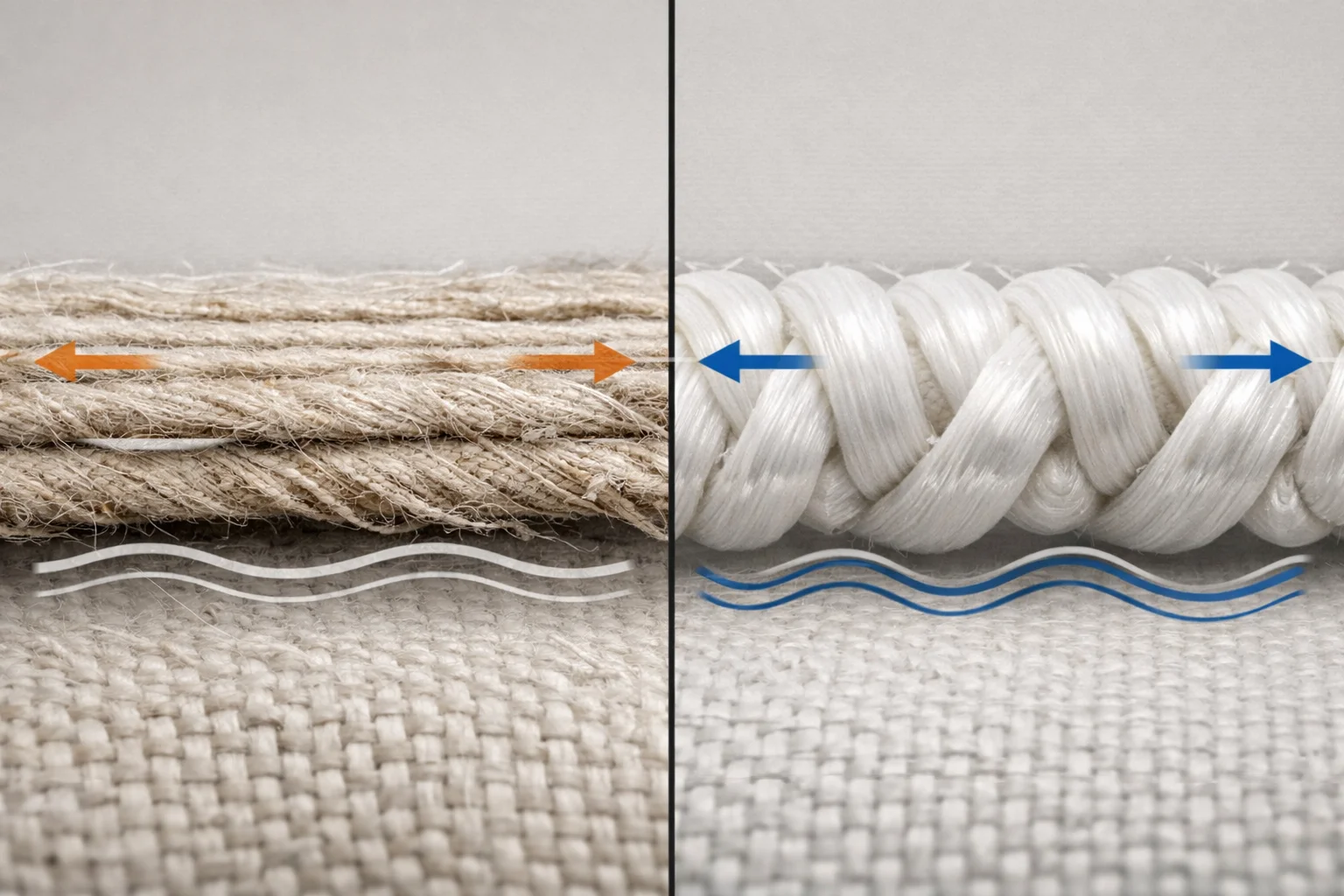
I spent months trying to smooth the wrinkles out of my linen sofa. I thought it was defective. I learned later that I was fighting physics. Fabric is not just a color, it is a mechanical structure. Some fabrics stretch and bounce back, that is elastic memory. Others stretch and stay there, that is puddling.
The "Linen" Truth
The look is beautiful, organic, and expensive, and that is exactly why I fell for it. The physics are the problem, linen fibers have almost zero elastic recovery. The result is predictable, when you sit you stretch the fibers, and when you stand they stay stretched, which creates puddling, those loose wrinkles that gather on the seat and never really reset.If you like the relaxed, lived in look, puddling is not a defect, it is the product doing what it naturally does. If you want a sofa that keeps a crisp, tailored seat, I would treat linen as a warning label unless the cushions are designed to hide the effect.
When you are in a showroom, do a simple sit test on the exact floor model. Sit in the same spot for a minute, shift your weight like you would at home, then stand up and look at the seat from the side and from straight on. If the cover looks looser, shows ripples, or the seam line waves instead of staying straight, you are seeing how it will age, and it will only get more obvious after weeks of use.
Then do a pinch test. Pinch a little bit of the seat fabric between your fingers and tug gently, then let go and watch whether it snaps back or stays slightly lengthened. I learned to trust this more than the salesperson’s description, because names like “linen blend” or “performance linen” can still behave like linen if the structure has low recovery.
Also pay attention to how the sofa is patterned. If the cushions have sharp welt lines, tight boxing, and precise seams, that tailored style fights with fabrics that puddle, so the sofa can look messy faster. If you are set on a linen look, I would look for a deliberately relaxed slipcover style where a bit of looseness looks intentional rather than like the upholstery is failing.
This guide is here to help you separate what is normal behavior from what is genuine cheap construction. Once you start thinking in terms of recovery and stretch instead of just “soft” versus “rough,” you can predict what a sofa will look like after a year, while you are still standing under bright showroom lights.
Natural vs. Synthetic Behavior
When I finally stopped treating wrinkles like a manufacturing flaw, the next decision got easier. Natural fibers and synthetic fibers behave differently on purpose, so you can choose the behavior you want instead of hoping a fabric will magically act like something it is not.
Natural fibers like cotton, linen, and wool tend to “relax” under your body. They do not have much built in spring, so when you stretch them, they are more likely to stay stretched for a while, which is why you see that rumpled, lived in look develop quickly in the favorite seat.
That relaxed behavior comes with more hands on upkeep if you want it to look neater. I have learned that people who are happiest with cotton and linen either accept the rumpling as the aesthetic, or they are willing to steam and smooth the covers to coax the fibers back toward shape, knowing it will never be a permanent reset.
Synthetics like polyester, olefin, and acrylic usually do the opposite. They tend to stay “tight” because the material has more elastic memory, so the surface looks flatter and more consistent after you stand up, and it generally keeps that tailored showroom look with less effort.
This is why two sofas can feel similar in the first sit, but look totally different after a month. If you want crisp seams, straight lines, and a seat that looks freshly made most days, synthetics usually cooperate with that goal, while natural fibers usually fight it unless the whole design is intentionally relaxed.
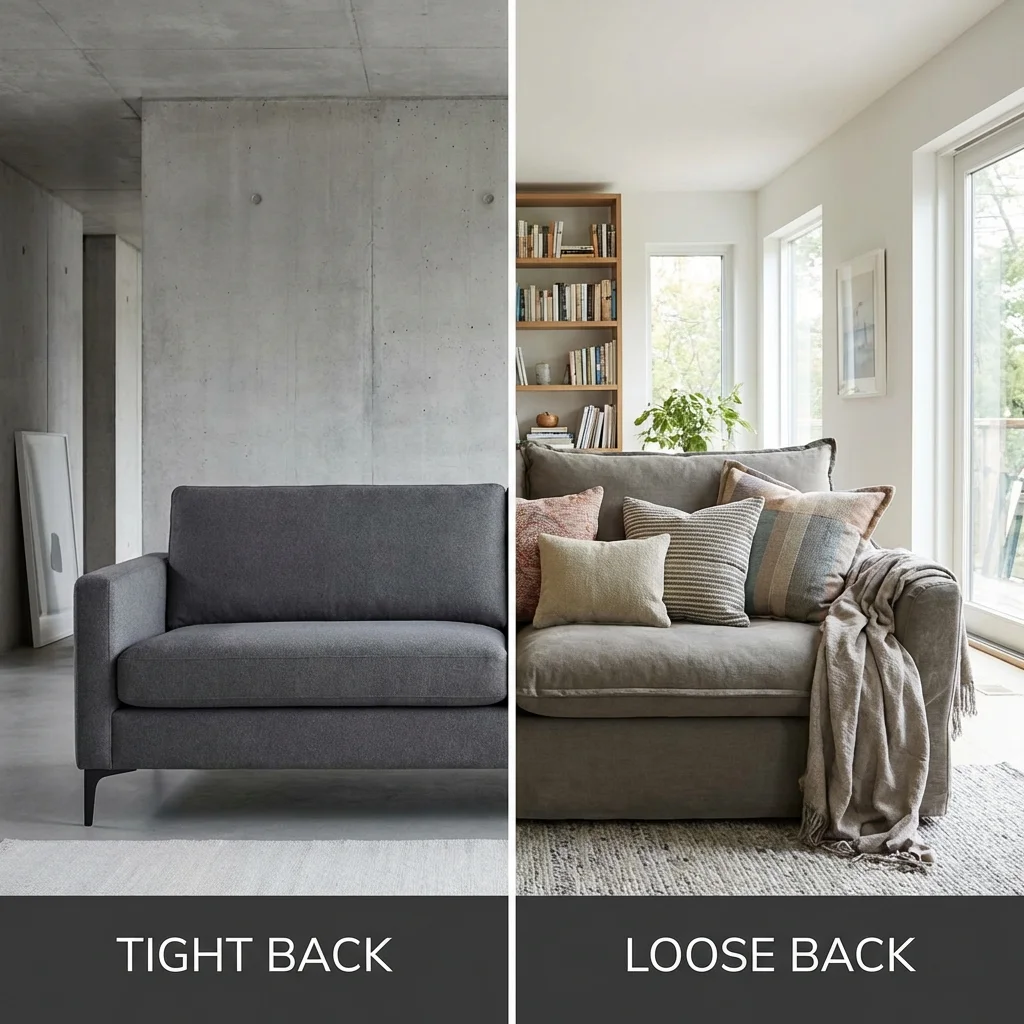
In a showroom, I treat this as a simple matching exercise between your tolerance and the fabric’s personality. If you are the kind of person who gets annoyed when the seat looks disturbed after someone sits down, you should bias toward synthetics or at least a fabric that clearly snaps back in your pinch test.
If you love the cozy, casual look, natural fibers can be a great choice, but I would make sure the sofa’s style does not demand perfection. I look for looser silhouettes, softer edges, and cushion shapes that still look intentional when the fabric relaxes, because that is what you will be living with on a random Tuesday, not the perfectly steamed floor model.
If the tag says “blend,” I do not assume it solves anything. I ask to see a fabric swatch, I do the same tug and release test, and I look at the seams on the floor sample for early waviness, because a small amount of a low recovery fiber can still dominate the way the upholstery ages.
The “Performance Blend” Solution
If you want the textured, slightly matte look of linen but you do not want your seat to turn into a permanent rumple zone, I have had the best luck aiming for a true performance blend. In plain terms, you are trying to buy a fabric where the synthetic fiber does the holding and the natural fiber just adds the look and hand feel.
When I am shopping, I look at the content tag and I want to see polyester as the clear majority. A blend around seventy percent polyester with about thirty percent linen or cotton is the kind of ratio that tends to behave like polyester in day to day use while still reading as “natural” from a few feet away.
The reason this matters is simple in practice. The polyester threads act like the scaffold that keeps the weave from staying stretched out, and the linen or cotton threads are there to make it look less shiny and feel less slick. When the ratio flips and the natural fiber becomes the majority, the fabric often goes right back to acting like linen, even if the salesperson calls it “performance.”
In the showroom, I do two quick checks specifically for blends. First, I ask for a swatch of the exact upholstery, not a similar one, then I crumple it in my fist for a few seconds and open my hand. If it stays heavily creased and looks instantly tired, I treat that as a warning that it will show every sit, every lean, and every kid climb.
Second, I rub the swatch briskly between my fingers and look closely at the surface. If I see fuzzy little pills starting to form or I can lift stray fibers easily, I assume the seat will start to look worn in the high contact zones faster than I want, especially on the front edge of the cushions and the inside arms.
I also pay attention to the weave and not just the percentages. A tighter, more uniform weave usually holds its shape better than a very open “basket” weave, even when the fiber content looks good on paper, so I always compare two swatches side by side under the same light and do the same pinch and release test you already did on the sofa.
One more thing I have learned to ask is whether the fabric has a backing. Some upholstery fabrics have a thin backing layer that helps stabilize stretch, and while it is not a magic fix, it can make a blend behave more predictably on a wide seat cushion where the fabric is under tension.
The "Steam" Hack
If your natural fabric sofa starts to look sloppy, a handheld fabric steamer can be the difference between “always messy” and “presentable after five minutes.” I aim the steam across the wrinkled areas, then I lightly smooth the fabric with my hand, and I let it dry before anyone sits back down.What is happening is not a permanent repair, it is more like resetting the fibers. Hot moisture encourages the stretched threads to contract back toward their original weave, so the surface tightens up and the wrinkles relax. It really can feel like magic the first time, but I only consider it a solution if you are okay doing it regularly, because the next few sits will start the cycle again.
If you want the linen look but you do not want a new chore, this is where I land personally. I would rather buy a polyester dominant blend that behaves well on its own, then treat steaming as an occasional refresh instead of a weekly ritual just to keep the sofa from looking defeated.
Technical Summary: Managing Expectations
If you genuinely hate wrinkles and you want the sofa to look close to the way it looked on the showroom floor most days, I would stop fighting it and buy 100 percent polyester upholstery, especially performance velvet or a tight chenille. In my experience those fabrics have the most forgiving recovery, so when you stand up the seat tends to smooth out instead of staying rippled.
If you love that bright, airy “coastal” look, linen can still be the right buy as long as you treat the wrinkles as part of the aesthetic, not a problem to solve. I had to reframe it as the unmade bed effect, it is supposed to look relaxed and a little rumpled, and it will get there fast in the favorite spot.
What I would avoid is buying 100 percent cotton or 100 percent linen and expecting it to behave like a tailored hotel lobby sofa with a crisp, flat seat. I tried to wish that into existence, and it physically cannot work long term because the fiber simply does not spring back the way synthetics do, so the “messy” look is not a defect, it is the honest outcome of daily sitting.
Explore Technical Reference
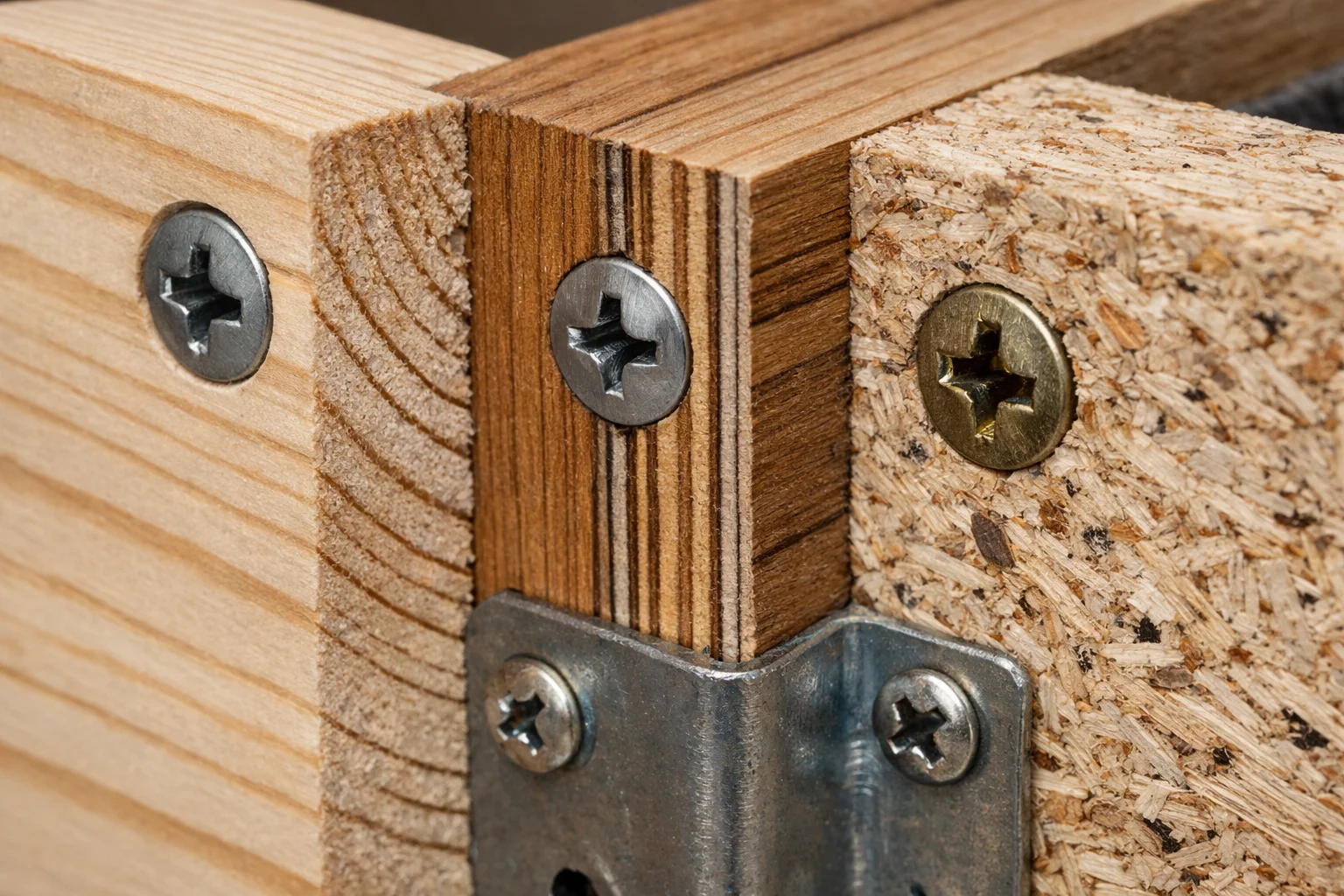
Frame Materials: The Hierarchy of Bones (Pine vs. Maple)
Understanding the hierarchy of frame materials. Why metal can be too rigid, softwood too weak, and properly specified hardwood the most reliable choice.
Analyze Details →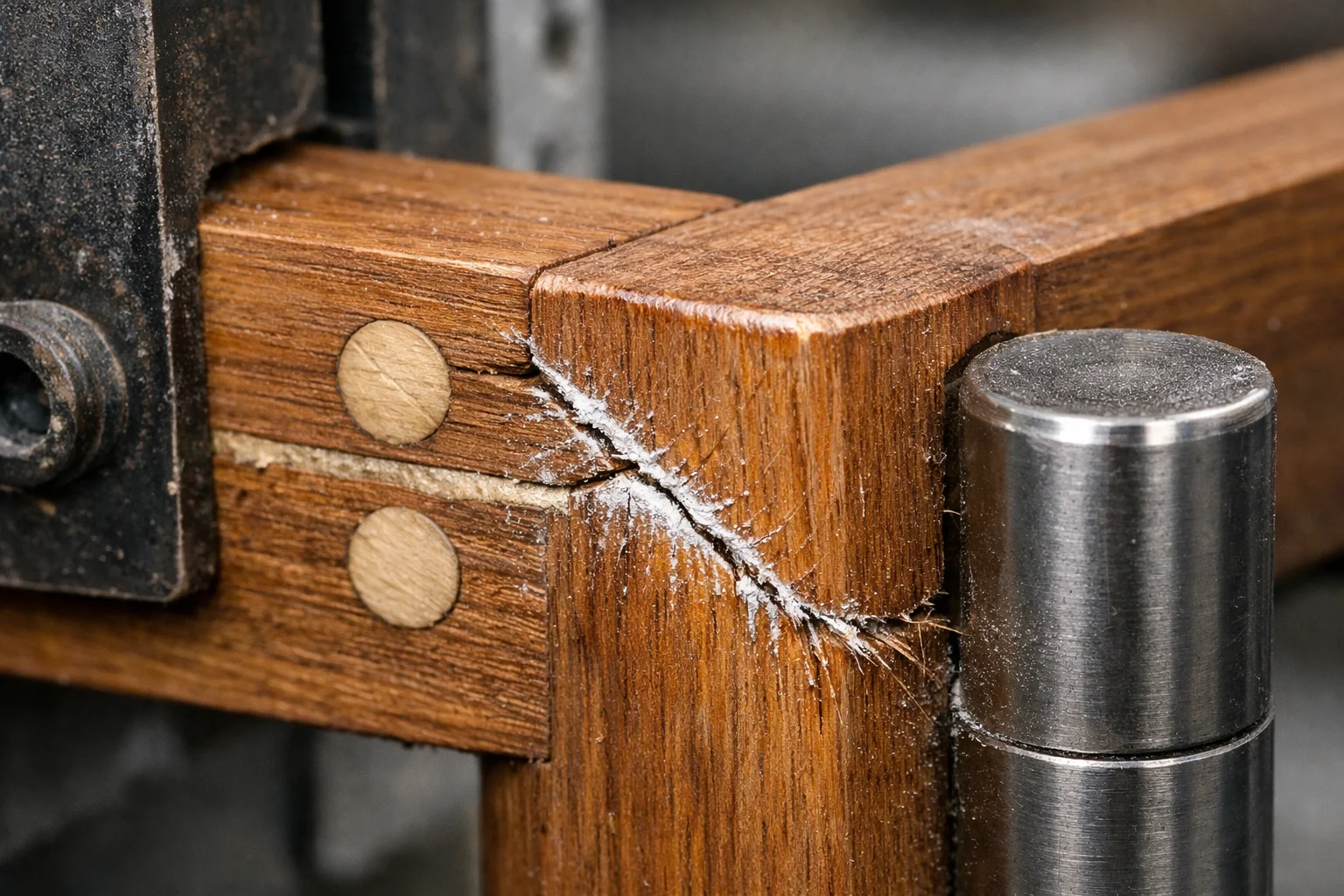
Frame Cracking: The Physics of Failure
Understanding why frames crack under stress. The role of knots, grain direction, and joint design in catastrophic failure versus gradual degradation.
Analyze Details →