Removable vs. Fixed Covers: The "Washable" Myth
Introduction
My mother told me, “Only buy a sofa with zippers so you can wash it.” I listened. Two years later, I washed the cushion covers. They shrank 5%. When I tried to force the foam back inside, the zipper exploded. I learned that just because it zips off, doesn’t mean it goes in the wash.
That little disaster taught me the bigger lesson I want you to have before you spend real money, sofas fail in predictable ways, and showrooms are designed to distract you from the parts that actually matter.
I have sat on couches that felt amazing for five minutes and felt awful after six months. I have owned seats that looked fine in photos but developed a permanent sag where I sit, and I have dealt with fabric that pilled, seams that crept, and cushions that never looked the same after the first “easy” cleaning.
This guide is how I shop now, after being burned. I am not trying to turn you into a furniture engineer, I am trying to help you avoid the common traps by checking a few unglamorous details while you are still in the store.
I also want you to treat “features” as questions, not promises. Removable covers should make you ask what the cleaning method really is, whether the fabric is pre shrunk or washable, and whether replacement covers are available if one gets ruined. A reversible cushion should make you ask what is inside it and whether it will keep its shape, not just whether you can flip it.
If you do nothing else, slow down and test the sofa like you actually live on it. Sit where you would normally sit, put your feet up the way you actually do, and lean on the arm the way you would during a movie. If anything feels wobbly, hollow, overly soft, or oddly loud, I take that as an early warning, because those sensations usually get worse, not better.
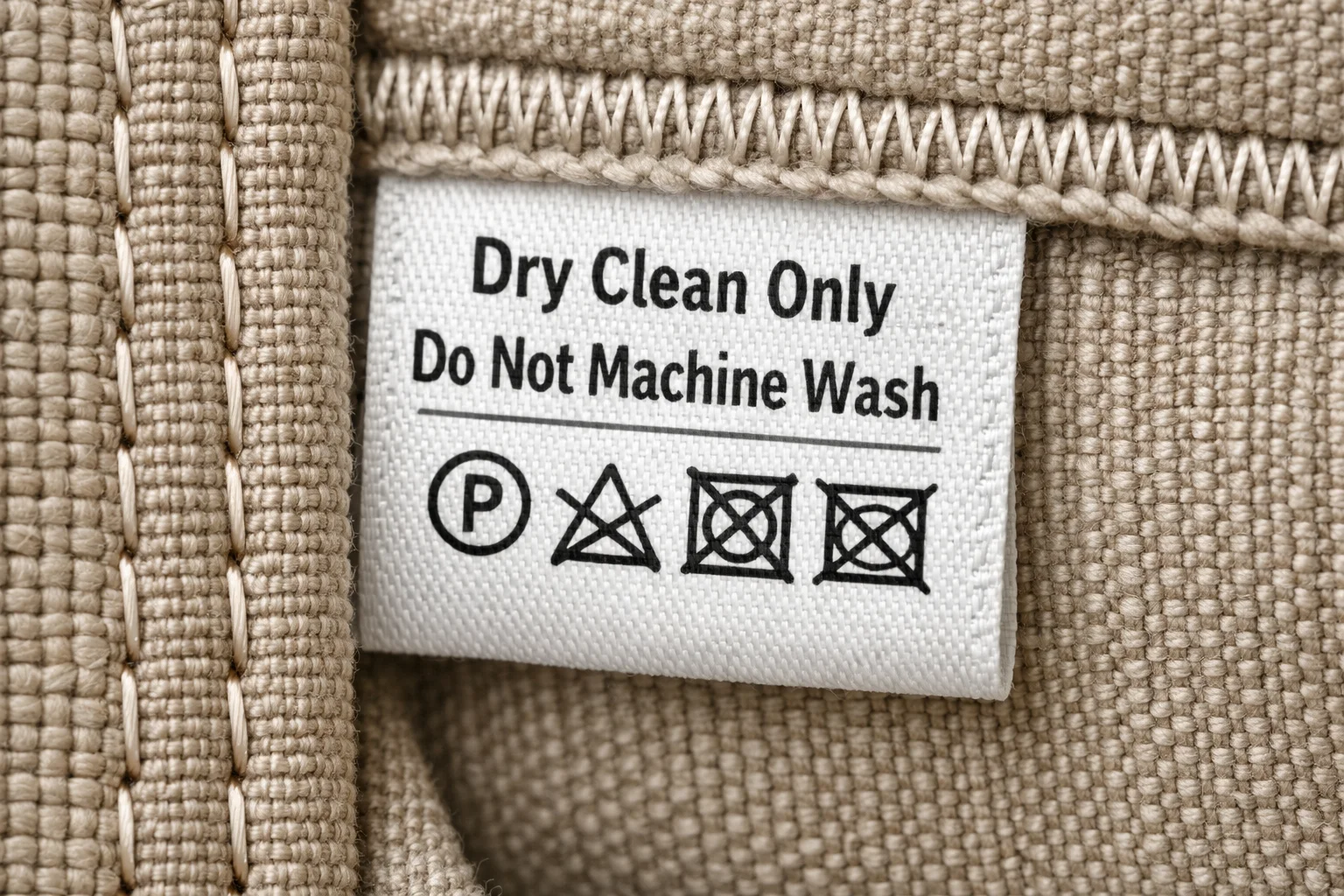
And when a salesperson tells you something is “washable,” I ask for the care tag language or the written care instructions, right then. If the answer is vague, or it depends on “being careful,” I assume it is not truly washable in real life, and I decide whether I am okay with that before I fall in love with the look.
The "Zipper" Trap
I used to think a zipper meant the cover was meant to come off for cleaning. What I learned the hard way is that a lot of zippers exist mainly so the factory can stuff the foam in quickly and make the cushion look crisp on day one.The risk is shrinkage. Most upholstery fabrics will tighten up after a real wash, and even a small amount of shrinkage is enough to turn a fitted cushion cover into a no win situation. The cover comes out of the wash looking fine, then you try to wrestle it back onto the foam and it suddenly feels like the cushion grew overnight.
The result is usually damage, not cleanliness. If you force it, you can blow out the zipper, pop the seam, or stretch the fabric in weird ways so the cushion never sits square again. Even if you manage to get it back on, the piping can look wavy and the corners can look permanently stressed.
So here is the rule I follow in a showroom. Unless the care label clearly says machine washable, I treat a zipper as “dry clean only” and I budget for that reality. If the salesperson says “people wash these all the time,” I ask you to ignore that and go straight to the tag language, because the tag is what you live with after the sale.
When you are in the store, I want you to physically find the care tag, not just ask about it. I unzip one cushion and look for words like “machine wash cold,” “gentle cycle,” and “tumble dry low” or “line dry,” and I also look for warnings like “do not wash,” “spot clean only,” or “dry clean only,” because those mean the zipper is not permission, it is just access.
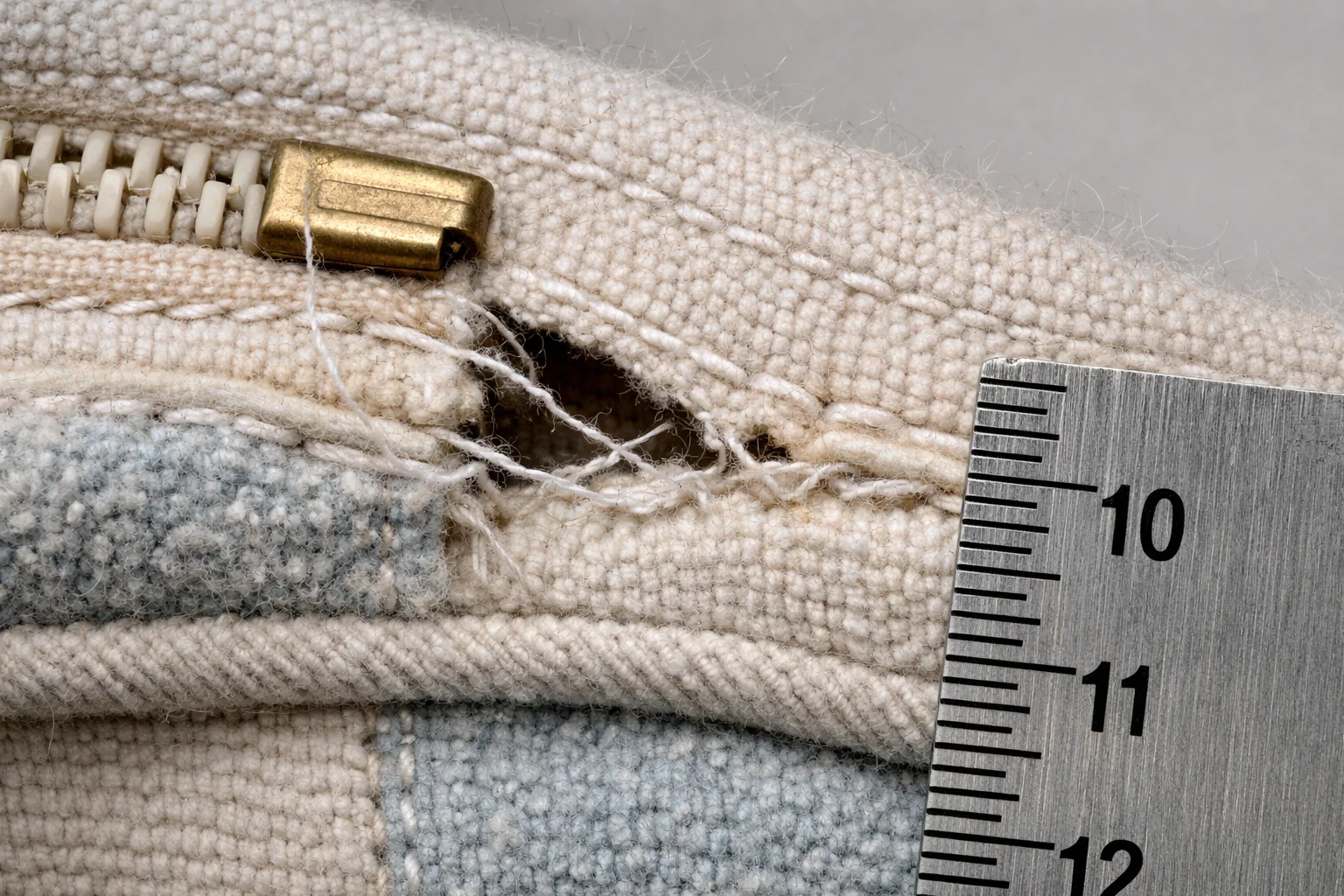
If you cannot find a tag on the floor model, I ask for the written care instructions for that exact fabric and that exact configuration, not “similar to this one.” If they cannot produce it, I assume the safest interpretation, which is that you can spot clean and you should not soak it.
One more thing I now check is whether the covers feel tight before I do anything to them. If the cushion cover already looks drum tight on the showroom floor, I assume there is zero extra tolerance for shrinkage at home, and I treat washing as especially risky.
If washability matters to you, I would rather you buy a sofa that is honestly designed for it than gamble on a zipper. The boring but useful question to ask is whether the manufacturer sells replacement covers for that model and fabric, because if a “washable” cover shrinks or gets stained, replacement availability is what saves you from replacing the whole sofa.
Two Types of Upholstery
When you are staring at a wall of sofas, upholstery style looks like a vibe choice. I have learned it is also a maintenance choice, and it changes what “cleanable” really means in your house.
Fixed Covers (Tight-Back)
With fixed covers, the fabric is pulled tight and stapled directly to the frame. In a showroom this reads as crisp and tailored, and it tends to keep that tidy, put together look even when people are using it every day.
The big upside is that you are not constantly fixing it. If you hate the “lived in” look, or you know you will not be the type to straighten anything after you stand up, this style quietly protects you from your own habits.
The tradeoff is cleaning. Because the upholstery is basically married to the frame, you are usually living in a spot clean and professional cleaning world, often steam cleaning, not toss it in the wash. When I am looking at a tight back sofa, I get very honest with myself about spills, pets, and greasy hair on headrests, because those areas are not coming off and going in a machine.
In the store, I press my fingers into the back and arms and look for places where dirt would collect first, like seams, piping, and the top edge where heads and hands land. Then I ask what the manufacturer recommends for body oils and dark denim transfer, because if the answer is “just blot it,” you are going to be blotting forever.
Loose Covers (Slipcovers)
Loose covers are draped over the frame and held on with things like velcro, ties, or just their own weight. They look relaxed and casual, and they can be forgiving if you like a softer, less formal room.
The reason people love them is obvious, you can often remove them for dry cleaning, and sometimes you can replace them if one gets wrecked. Replacement is the part I care about most, because it is what turns a stain from a disaster into an annoyance.
The downside is daily reality. A slipcovered sofa can look great in photos and look sloppy ten minutes after you actually live on it, because the fabric shifts, wrinkles, and bags where you sit. If you do not want to “dress” the sofa by smoothing and tugging it back into place every time you get up, you should assume you will eventually resent it.
In a showroom, I do a very specific test. I sit, slouch, and stand up, then I look at the seat and back the way you would walking into the room. If it already looks rumpled on the sales floor, it is going to look worse at home, and if the salesperson immediately starts smoothing it for you, I take that as the most honest demo I am going to get.
I also check how the cover is secured. If the only thing holding it is gravity, expect more shifting. If there is velcro, I look for whether it feels stout and well attached, because weak velcro is the kind of detail that works for a month and then turns into constant fussing.
One more thing I always ask with slipcovers is whether the cover is meant to be dry cleaned or actually machine washed, and whether it is pre shrunk. “Removable” is not the same as “washable,” and even when it is washable, some fabrics come out of a wash looking tired, not fresh.
If you are torn between the two styles, I would decide based on what will annoy you more. Tight upholstery tends to punish you on cleaning day, slipcovers tend to punish you every day in small ways, unless you truly like the relaxed look and you will keep up with it.
Illustration
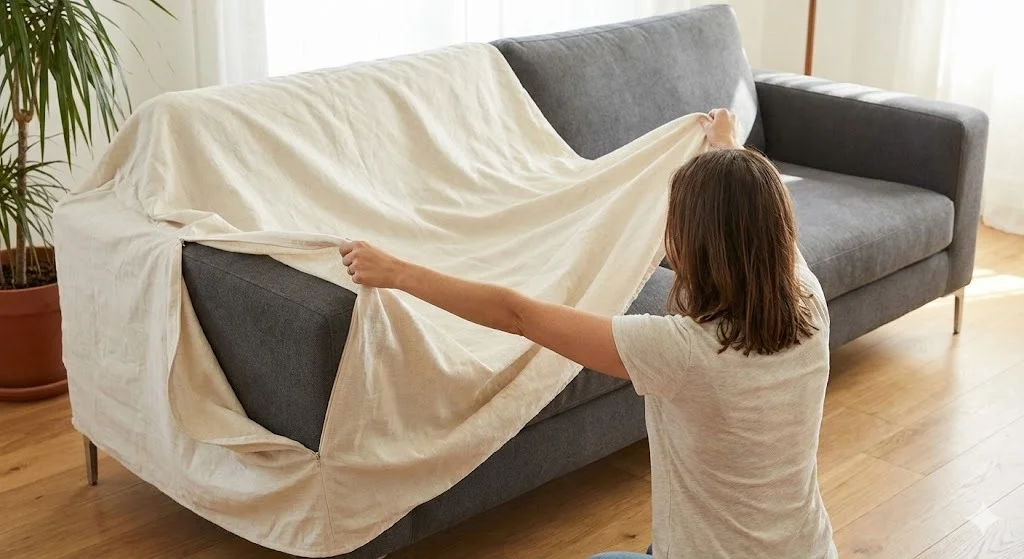
When you look at that photo, I want you to notice something most people miss, the problem is not just that the cover got smaller. The zipper itself does not shrink the same way the fabric does, so the cover can come back from cleaning looking “almost fine” and still be permanently out of harmony.
In real life that shows up as rippling along the zipper line, a zipper that suddenly feels crunchy or hard to pull, and a cover that seems to fight you at the corners. If you tug harder, you can blow the zipper or stress the seam allowance right next to it, and that damage often looks like “cheap construction” when it is really a predictable mismatch between materials after washing.
This is why I do not let a salesperson reassure me with percentages or “minimal shrinkage.” A little shrinkage is enough when the cover was cut to look crisp on day one, and most showroom cushions are dressed tight because tight looks expensive under bright lights.
In the store, I put my fingers right along the zipper and I check whether the fabric is already under tension. If the zipper line looks perfectly flat but the fabric feels like it is pulling, or the piping looks like it is being stretched to reach the corners, I assume there is no slack built in for cleaning and re fitting.
I also unzip it and look at the zipper tape and stitching, because those tell you what happens later. A narrow zipper tape with tiny stitching close to the edge can work fine until the first time you are wrestling a slightly shrunken cover back onto a foam block, and then that tape becomes the weak link.
If you care about washability, the most useful question is not “Can I wash it,” it is “What is the plan after it shrinks a little anyway.” I ask whether the brand sells replacement covers, whether they will sell me just one cushion cover instead of a whole set, and whether the fabric is described as pre shrunk in writing, because that is the difference between a manageable maintenance routine and a one time gamble.
At home, the safest habit I have learned is to test before I commit. If you do buy a sofa with removable covers and the tag truly allows washing, I would wash one cover first and air dry it, then see if it goes back on without a fight and without the zipper rippling, because that single test tells you more than any promise on the sales floor.
When Can You Actually Wash It?
I treat “machine washable” as a very narrow promise, because most upholstery fabric is not built to be laundered like a towel. The only time I relax is when the fabric is explicitly described as pre shrunk, often called Sanforized, and the care tag backs that up with real wash instructions.
When you are in the store, I want you to look for the word “pre shrunk” in writing, either on the fabric hang tag, the spec sheet, or the care instructions for that exact upholstery. If all you get is “it should be fine,” assume it is not, because shrinkage is not a rare defect, it is what untreated woven fabric likes to do when it finally meets water and heat.
If you are looking at a linen or cotton blend and it says Sanforized or pre shrunk, that is one of the few cases where I consider machine washing realistic. I still read the fine print, because “safe to wash” often means cold water, gentle cycle, and air dry, not hot water and a full blast dryer.
Performance fabrics are the other category where the marketing can be true, but only sometimes. Names like Crypton and Sunbrella get used as shorthand for “family proof,” yet the part that matters to you is still the care label on the finished cover, because a washable fiber can still be paired with a backing, finish, or construction detail that turns the whole cover into spot clean only.
Polyester and viscose blends are where I stop believing in washing entirely, especially when the fabric feels smooth, drapey, or slightly shiny. In my experience, these are the covers that come out looking wrinkled, warped, or permanently “tired,” and they are also the ones that can change hand feel after washing in a way you cannot undo.
Here is the showroom move I use when a salesperson says “you can wash it.” I ask them to show me the care tag language that applies to the removable cover itself, not a general fabric story, and I specifically look for “machine wash” plus a temperature and drying instruction. If the tag says spot clean only, do not wash, or dry clean only, I assume the zipper is there for manufacturing and occasional service, not for laundry day.
I also try to imagine the worst case version of my life and see if the care plan still works. If you have pets, kids, or you eat on the sofa, “spot clean only” means you will eventually be scrubbing a large area and risking a water ring, and “dry clean only” means you will eventually delay cleaning until it is way past pleasant.
If washability is truly a priority for you, I would rather you buy a sofa that expects to be washed than one that merely allows the covers to come off. The easiest way to tell the difference is whether the brand can sell you replacement covers and even single cushion covers, because that is what companies do when they know people will actually remove and clean them.
Technical Summary: Maintenance Protocol
Before you buy, I want you to treat cleaning like a written contract, not a vibe. I physically look for the care tag on the actual sofa and I check the cleaning code, because that code tells you what kind of mess you can realistically deal with at home. If you see W, that means water based cleaning is allowed. If you see S, that means solvent only and in normal life that translates to dry clean or a solvent upholstery cleaner, not your washing machine. If you see WS, you usually have some flexibility, but I still follow the tag’s wording over the code. If you see X, I treat it as a warning that you are basically limited to vacuuming and gentle brushing, and any wet cleaning is a gamble.If you want the longer explanation of what those letters mean, you can read the cleaning code breakdown here: Cleaning Code. In the showroom, the actionable part is simple, if the code is not W or the tag does not explicitly say “machine wash,” I assume you are not laundering those covers at home no matter how many zippers you see.
If you do end up buying a sofa whose tag truly allows washing, the single habit that has saved me the most grief is how I put the covers back on. I put the cover back onto the foam while the fabric is still slightly damp, not dripping, just not fully dry, because that is when it has the most give. If you let it dry completely off the cushion and it tightened even a little, you will fight it, you will stress the zipper, and you will convince yourself the sofa shrank when the real problem is timing.
I also pay attention to how hard that re fitting step feels, because it is an early warning for the future. If it takes two people, a lot of tugging, or a scary amount of force to get a damp cover back on, I assume the next wash will be worse and I start planning to spot clean more, wash less, and ask the brand about replacement covers before I actually need them.
Explore Technical Reference
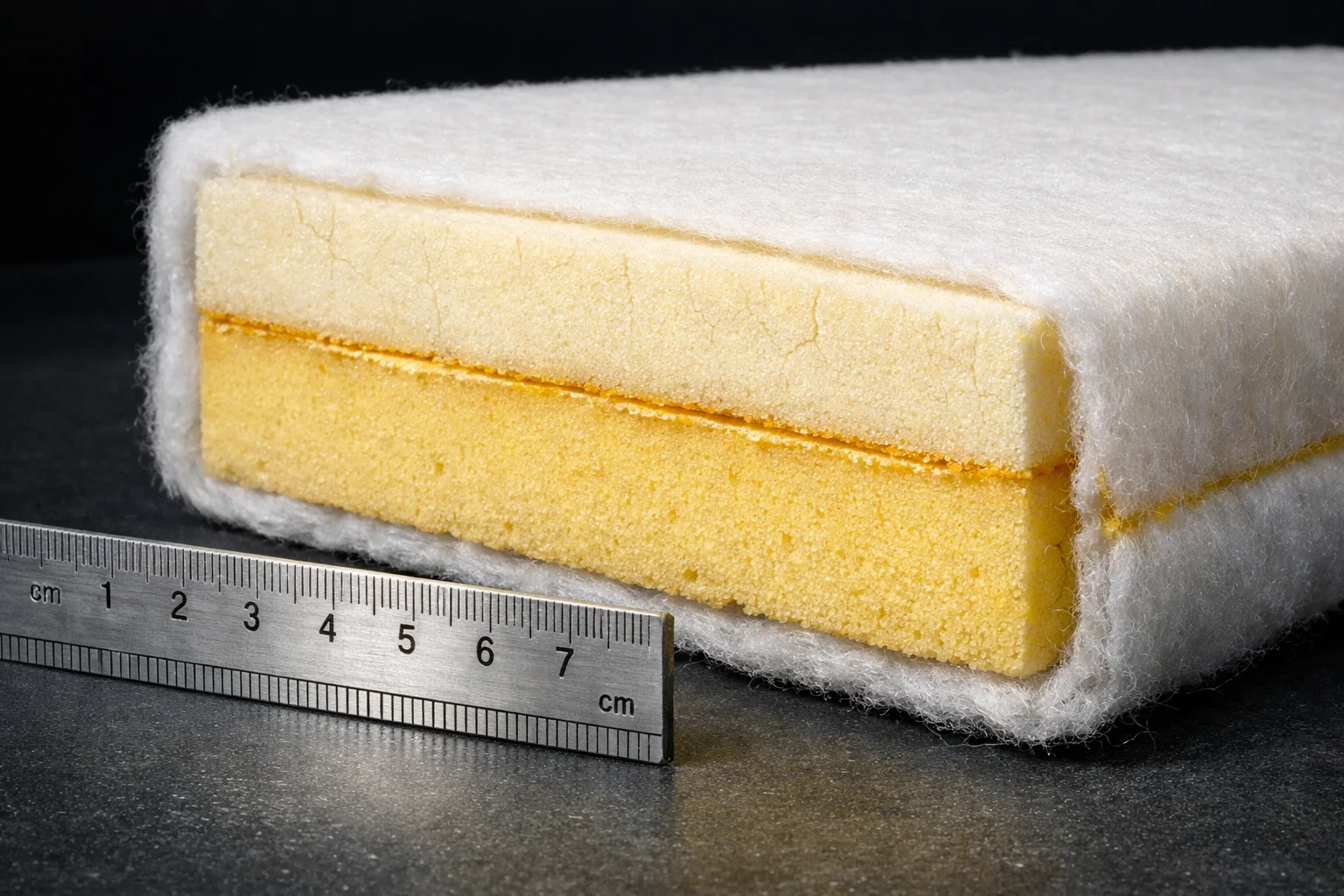
Polyurethane Foam: The Chemical "Engine" of Comfort
How chemical reactions become sofa cushions. Understanding open cell structure, oxidation degradation, and why foam is a consumable rather than a permanent material.
Analyze Details →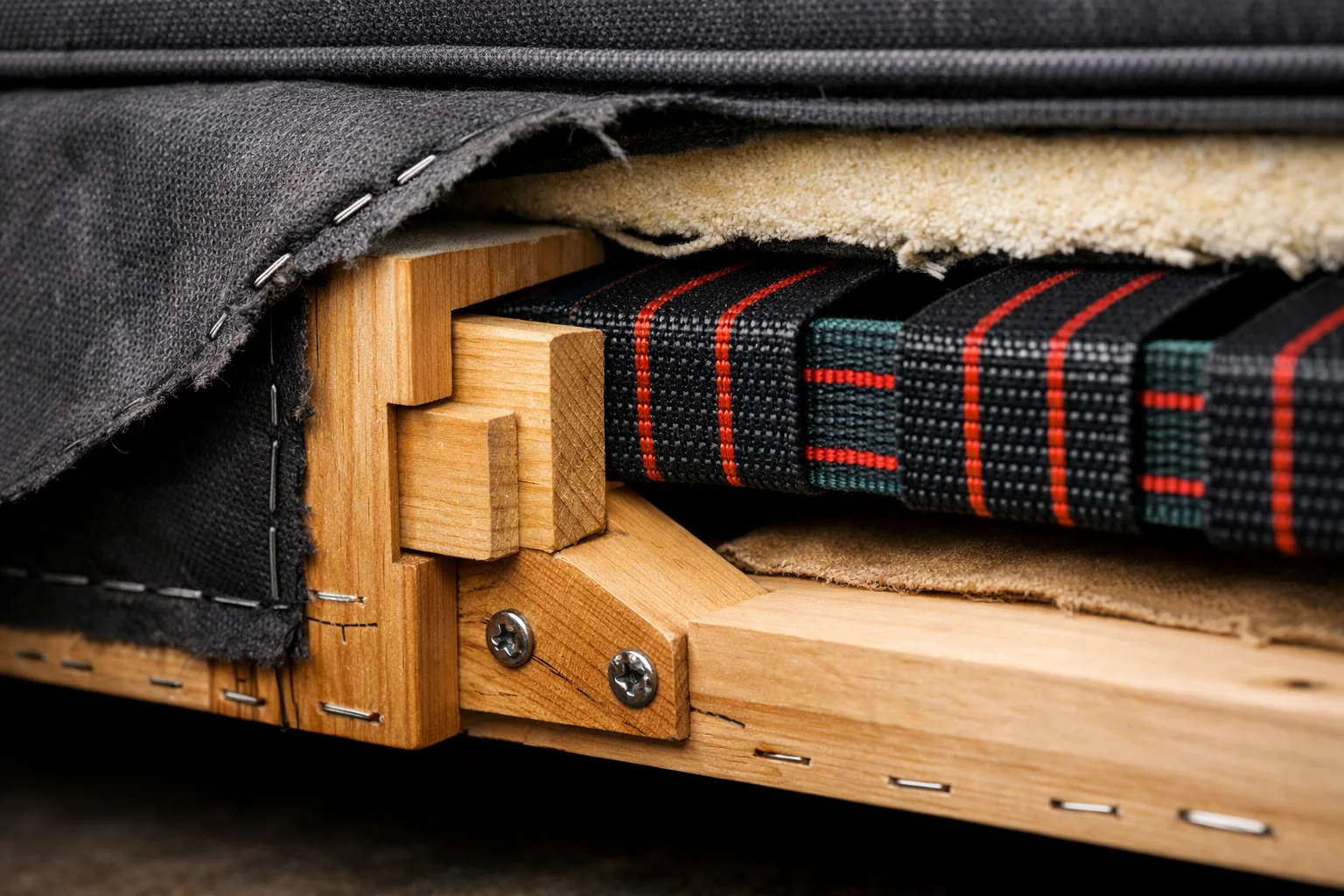
Seat Suspension: Webbing vs. Springs vs. Hand-Tied
Comparing sinuous springs, elastic webbing, and coil spring systems. Understanding why the foundation under your cushions determines sitting comfort more than the cushions themselves.
Analyze Details →