Fabric Behavior: Why Your Sofa Wrinkles (The Physics of Puddling)
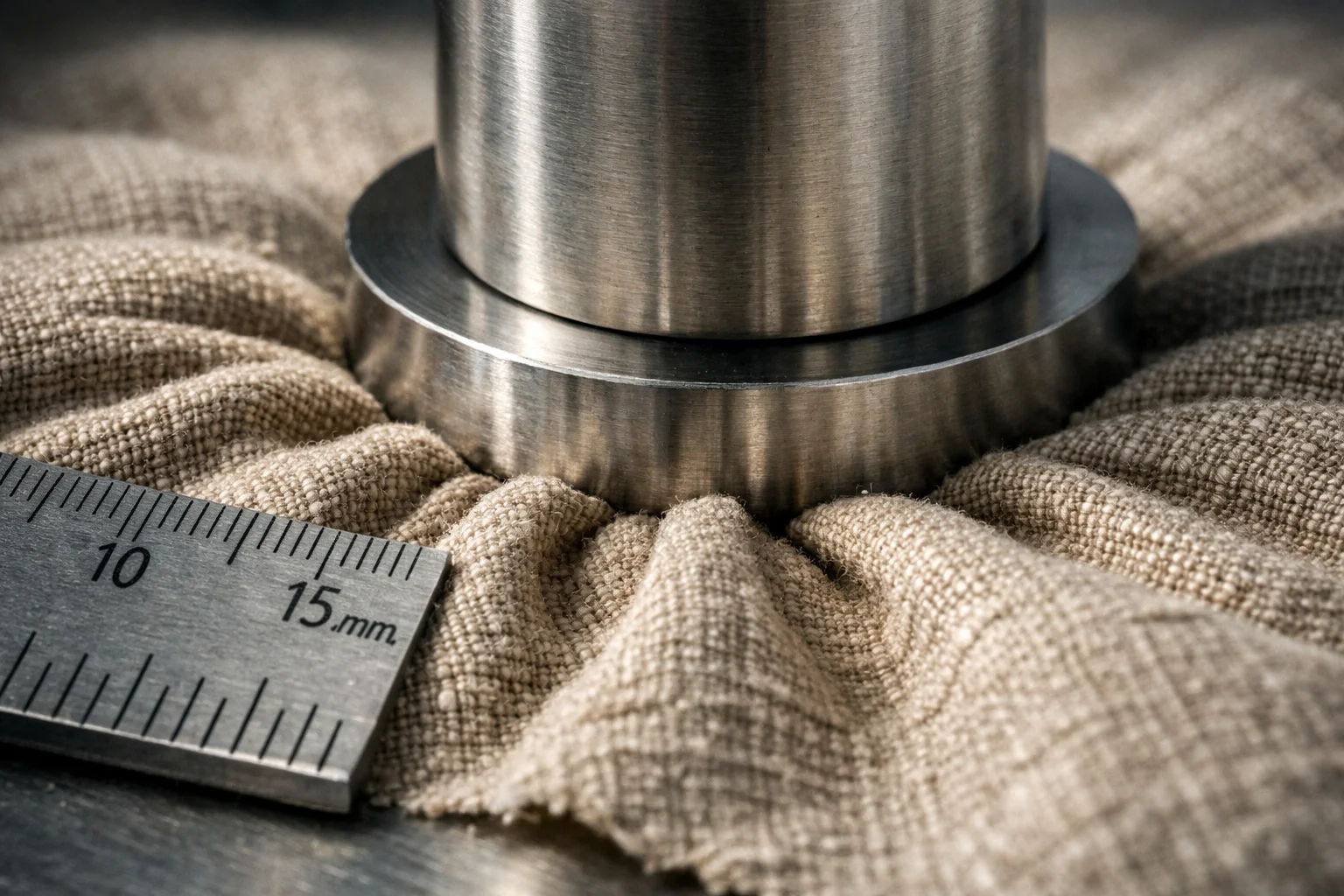
Introduction
Friends constantly ask me why their brand new expensive Belgian linen sofa looks like an unmade bed after two weeks. They blame the manufacturer. The truth is uncomfortable: it is not the manufacturer’s fault, it is the plant’s fault.
What I mean by “the plant” is the fiber itself, how it behaves when it is spun into yarn, woven into fabric, and then pulled tight over big soft cushions that you sit on every day. Linen is a natural fiber with a dry hand and very little natural spring, so it likes to crease and hold that crease. When you add a loose weave and a relaxed upholstery style, you get that rumpled look fast, even if the sofa is perfectly well made.
If you love that lived in look, great, you can buy linen on purpose and stop feeling cheated when it wrinkles. If you want a sofa that keeps a tailored, crisp shape, you need to treat fabric choice as a performance decision, not a color decision. I learned the hard way that “expensive” and “durable looking” are not the same thing, especially when the showroom sofa has been steamed, fluffed, and staged to look tighter than it will in your house.
When you are in the store, I want you to do one simple mental reset: don’t judge the sofa only by how it looks untouched, judge it by how it will look after you sit in the same spot every night. I always sit down, stand up, and then look at the seat and back from a few steps away. If it instantly shows deep wrinkles and the cushion looks slumped after one sit, it is telling you what your living room is going to look like, and it is not a defect, it is the material doing what it does.
You can also ask a question that changes the whole conversation. I ask, “Is this fabric meant to look relaxed and rumpled, or is it meant to look tailored,” and then I ask the salesperson to show me the floor model after people have been sitting on it all day. A lot of disappointment comes from buying a relaxed fabric on a tailored expectation.
This guide is about helping you separate what is normal from what is a red flag, before you spend real money. I am going to walk you through what I check in a showroom, how I think about fabric and cushion choices together, and what questions actually get you useful answers. My goal is that you walk out with a sofa you understand, not just one you hope will behave.
The Memory Difference
When I talk about “memory,” I mean one simple thing you can see in a showroom: after you compress the fabric, does it spring back toward smooth, or does it stay where you pushed it. This is a big reason two sofas with the same cushion fill can look totally different after a week of real use.
With synthetics like polyester and nylon, the fibers act more like little springs. When you stretch or crush them, they tend to rebound, so the surface erases a lot of your sitting marks on its own. This does not mean the sofa is indestructible, but it usually does mean you will spend less time fussing with wrinkles and seat impressions if you want a cleaner look day to day.
With natural fibers like linen, cotton, and even wool, the fibers have less bounce. When you stretch them over a cushion and then sit, they relax into that new shape instead of snapping back, so you get the creases, puddling, and the “unmade bed” look faster. This is not a quality failure by itself, it is the material being honest about how it behaves.
Here is what I do in the store, because it takes ten seconds and tells you more than a swatch ever will. I press my palm hard into the arm or the seat deck for a few seconds, then I rub my hand lightly across it like I am trying to smooth a bedsheet. If the mark mostly disappears with light smoothing, the fabric has higher memory and will look neater with normal living. If the mark stays sharply defined, or it turns into a crisp crease that wants to “live” there, you are looking at low memory behavior and you should buy it only if you truly like that relaxed look.
I also pinch a small fold of the upholstery on the side or back where it is less staged, then I let it go and watch what happens. A fabric with more spring will open back up. Linen and some cotton weaves tend to hold the fold longer, and that is your preview of what happens around seat edges, along the front rail, and wherever you slide in and out.
The question I ask the salesperson is blunt, because it forces a useful answer: “Does this fabric have a relaxed memory on purpose, and will it show sitting quickly, or is it supposed to bounce back and stay smooth.” If they can only talk about Martindale or “performance” without explaining how it looks after use, I treat that as a warning sign that I am being sold durability language when what I actually care about is appearance over time.
The last thing I keep in mind is that “performance fabric” does not automatically mean high memory. Some stain resistant fabrics are still woven in a way that will crease and puddle, and some natural blends are finished to behave a little crisper than pure linen. I do not try to guess from the label, I do the press test and the pinch test, then I decide if I want my sofa to remember me every night or politely forget.
The Phenomenon of “Puddling”
Puddling is that wavy, loose fabric you see on the seat cushion after you stand up, like the upholstery is suddenly a size too big. It is not the same as a cushion going flat, it is the cover losing its smooth, taut look because the fabric relaxes and refuses to snap back.
I have learned that people read puddling through whatever style lens they already have. If you like modern, crisp rooms, puddling can look like the sofa is already aging badly, even when it is brand new. If you like traditional or relaxed homes, puddling can read as cozy and inviting, like the sofa is meant to show life.
What matters is matching the fabric to your tolerance for visual mess. If you want a sofa that looks crisp and ironed all the time, 100 percent linen is basically a guarantee you will feel disappointed, because linen wants to wrinkle, ripple, and settle wherever you sit.
In a showroom, I do a quick “stand up and judge” test on purpose. I sit normally, I shift a little like I would at home, then I stand up and look at the seat from the front and from an angle. If the seat cover immediately gets waves that you can only erase by tugging and smoothing with both hands, that is puddling behavior, and you should assume you will be doing that every day if you care about a neat look.
I also pay attention to where the puddling shows up first. If it pools at the front edge of the cushion and near the inside arms, that tells me the fabric is going to look rumpled in the exact places your eye hits when you walk into the room. Some sofas puddle mostly in the middle, which can be less visually annoying, but it is still a sign that the fabric is low memory.
If you still love the look of linen but you do not love the daily rumple, this is where I stop thinking in terms of “natural versus synthetic” as a moral choice and start thinking like a tired sofa owner. I look for a synthetic or a high performance blend that is designed to behave more politely, because those fibers usually have more spring and they resist that permanent, lived in creasing.
When a salesperson says “linen blend,” I do not assume it solves anything. I ask what the blend is actually blended with, and I ask whether the goal was stain resistance, strength, or a crisper appearance after sitting. Then I do the same sit and stand test again, because a blend can still puddle if the weave is relaxed and the cover is cut to drape.
If you are torn between two fabrics, I would rather you pick the one that looks slightly less romantic on the swatch but stays composed after you get up. The swatch is a fantasy, the seat cushion is reality, and puddling is one of those realities that does not improve with time unless you genuinely enjoy the look.
The Weave Architecture
At this point I stop thinking only about what the fiber is and start thinking about the fabric’s geometry, because the weave is what decides whether the surface behaves like a stable grid or like something that can shift around under you.
When a weave is tight, like many velvets and canvases, the threads lock into each other more like a firm net. In the showroom I can usually feel it immediately because the surface has a steadier, more “held” feel when I rub my palm across it, and when I pinch a tiny bit and let go it tends to settle back without leaving a baggy halo.
When a weave is loose, like bouclé and many basketweaves, the structure has more open space between threads. That openness is what gives it that cozy, textured look, but it also means the threads can physically migrate with friction, so you can end up with areas that look thinner, fuzzier, or oddly stretched, especially on the front edge of the seat and the inside arms where you slide in and out.
Here is the simple showroom check I do that has saved me from regret. I run my fingertips back and forth in the same small spot on the seat or arm, like I am absentmindedly fidgeting during a movie, then I stop and look closely from a few angles. If the texture seems to spread apart, if little loops start looking pulled, or if the surface looks like it “opened up” and did not close back down, I assume it will only get worse in my house.
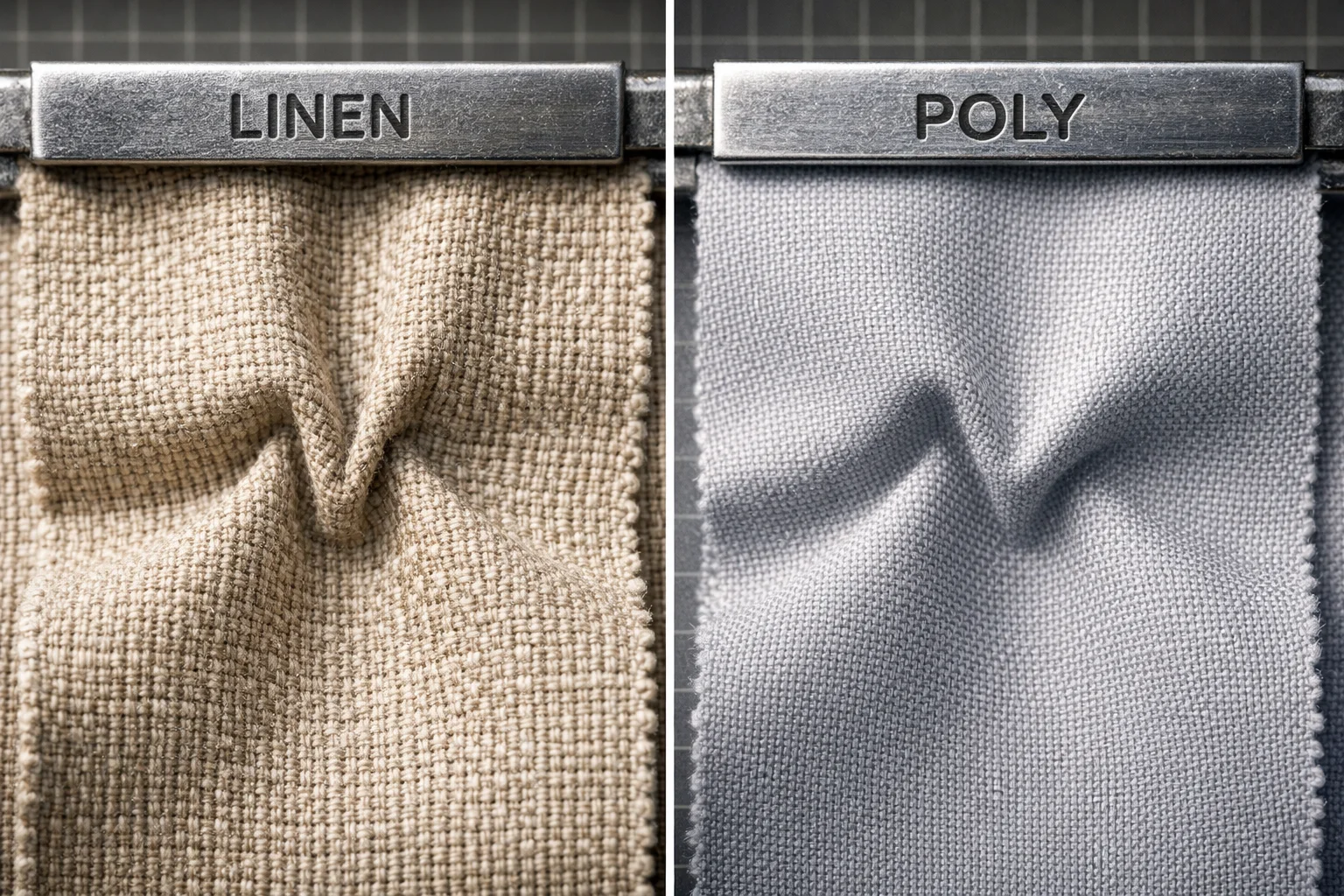
I also look for what I call “gap visibility,” which is just me checking whether I can see shadowy little valleys between yarns when I bend down near a window or a showroom spotlight. If I can see those gaps easily on day one, I assume dirt will settle there, the weave will relax faster, and the fabric will show wear as a change in texture, not just as a stain.
If you want a sofa that stays looking tailored, I personally treat tight, flatter weaves as the safer bet even when the fiber is not “premium,” because the geometry fights distortion. If you want a chunky texture, I would rather you choose one that is dense and compact, not one that looks like oversized loops sitting on top of the base, because those loops are the first thing to snag and the first thing to look tired.
The "Bouclé trap"
That trendy chunky Bouclé looks great on Instagram. But because the weave is loose, it acts like a knitted sweater. After a year of sitting, it will look like a deflated balloon.If you are standing in front of a bouclé sofa you love, I am not here to shame you out of it, I just want you to buy it with your eyes open. I would ask the salesperson where it tends to wear first on the floor, then I would go inspect that exact zone on the showroom model, because if you already see matted patches, loosened loops, or a slightly bald look on the front rail or seat edge, that is the future arriving early.
The last thing I do is imagine the “friction map” of my own life. If you have kids who climb, pets who dig, or you tend to perch on the same spot and swivel your legs off the edge, a loose weave is going to look older faster even if it technically tests as durable, because the issue is movement and migration, not just abrasion.
The “Ease” Requirement (Why Upholsterers Leave It Loose)
When you see a linen sofa that is not pulled drum tight, I used to assume that was sloppy workmanship. After watching enough sofas age badly, I now read a little looseness as a sign the upholsterer is trying to keep the fabric alive.
Here is the paradox that matters when you are shopping. If you stretch linen perfectly tight over a seat and then you sit down, all that force has to go somewhere, and it concentrates right at the seams. Linen does not forgive that kind of stress, so instead of gently relaxing, it can start to pull away from the stitching, which is how you get seam slippage, meaning the fabric threads migrate and the seam looks like it is tearing even when the thread is still intact.
So the durable version of a linen sofa is often the one that looks slightly relaxed on day one. Upholsterers build in “ease,” which is just extra slack, because they would rather let the cover move a little than let the seams take the full hit every time you sit.
In a showroom, I try to separate healthy ease from cheap, lazy upholstery. I press down near a seam on the seat, then I watch what the fabric does right along the stitch line when I stand up. If the area around the seam looks strained, like you can see little gaps opening along the stitching or the fabric looks like it is being tugged hard toward the seam, I take that as a warning that it was cut too tight for a low spring fabric.
Then I do the opposite check, because too loose is its own problem. I lightly grab the fabric near the front edge of the seat cushion or inside arm and give it a small, careful tug, not yanking, just enough to see whether it’s floating. If I can pull up a big tent of fabric or slide it around easily with my fingers, that is not “ease,” that is a cover that is going to look baggy and sloppy fast.
The sweet spot, at least for my taste, is when the cover has a little give but still feels anchored. You should be able to smooth wrinkles with your hand without feeling like you are dragging the whole cover out of place, and the seams should lie flat without looking like they are under tension.
This is also where I ask a very specific question that cuts through marketing. I ask, “Was this cover intentionally cut with ease for seam stability, or is it meant to look tailored and stay taut.” If they say it is supposed to look tailored, I look even harder at the seams and the way the fabric behaves after one sit, because a tight linen look is often a short term showroom look.
If you love linen and you want fewer surprises, I would rather you accept a slightly relaxed presentation upfront than buy the crisply stretched floor model and hope it stays that way. With linen, the loose look is often not a mistake, it is the upholstery version of leaving room for your life to happen without the seams paying the price.
The Solution: Performance Blends
At some point the industry stopped arguing about natural versus synthetic and quietly started combining them, because a lot of us want the look of linen without living with linen’s bad habits. This is one of the rare times where “blend” can genuinely mean a better day to day experience, not just a cheaper fabric label.
The version I look for most often is a hybrid yarn where the strength and spring come from the inside and the linen is mostly there for the surface. In plain terms, it is usually a polyester core wrapped in a linen sheath, so what you see and touch reads matte and organic, but what actually holds shape has more elastic memory.
When this is done well, you get a sofa that still looks like linen across the room, but it behaves more like a polite upholstery fabric when you stand up. The wrinkles are softer, the seat tends to smooth out with a quick hand pass, and you do not get that dramatic puddling that makes the cushion look like it grew overnight.
The other practical win is that it is less moody about humidity. Pure linen can look tighter one day and looser the next, especially in damp seasons, so a blend that has a synthetic “skeleton” tends to change less with the weather in a normal home.
In the showroom, I do not trust the hangtag that says “linen blend,” because it can mean almost anything. I ask one direct question: “Is this a core spun performance yarn where the linen is wrapped around a synthetic core, or is it just two fibers mixed together,” because the core wrapped construction is the one that usually keeps the look while improving the memory.
If they cannot answer that, I fall back to behavior instead of composition. I do the same press test and sit and stand test you have already seen me describe, but I pay attention to how quickly the fabric forgives me. A good performance blend will still show that you sat there, but it will not punish you by holding a sharp crease like it wants to keep a record.
I also look closely at the “high consequence” spots, which for me are the front edge of the seat cushion, the inside arms, and the outside corner where people perch. If those areas already look slightly wavy or show a permanent bend line on the floor model, the blend is not buying you much in real life, or the weave is still too relaxed for the tailored look you want.
One more thing I do that is surprisingly revealing is a gentle stretch check on a hidden area, like the back skirt or the side panel near the rear. I lightly pull the fabric on the bias, meaning diagonally, and then let go. If it snaps back and the texture stays consistent, that is the blend doing its job, and if it stays skewed or looks like it shifted and “settled” in the stretched position, I assume the sofa will drift into bagginess with use.
When you find a performance blend that passes these tests, you can usually stop obsessing over linen purity and start thinking about how you actually live. I have learned to treat it like buying tires, not wine, because I care less about romance and more about whether I will like looking at it on a random Tuesday night after everyone has been sprawled on it.
Technical Summary: Fabric Behavior Matrix
When I say “behavior matrix,” I am really talking about how much visual change you can tolerate after normal sitting, because that is where most sofa regret lives. I mentally sort fabrics by the kind of owner you are, and then I use quick showroom tests to confirm the fabric matches your expectations.
If you are the type who notices a crooked pillow from across the room and you want crisp lines to stay crisp, I treat high memory fabrics as your friend. In real life that usually means performance velvet or a heavy, tight polyester weave, because those surfaces tend to erase hand marks and sitting impressions faster. In the showroom, I press my palm into the seat and watch whether it rebounds toward smooth without me having to tug the cover back into place, and I look at the front edge after one sit because that edge tells the truth fast.
If you actually like the rumpled look and you want the sofa to feel like it is allowed to be lived on, then low memory fabrics stop being a problem and start being the point. This is where washed linen and cotton slipcovers make sense, as long as you buy them as a relaxed style choice, not as a tailored one. When you try these in store, I would still do the sit and stand test, but you are looking for something different, you are checking whether the rumple looks charming to you or whether it instantly reads as messy and unfinished.
If you are the person who loves the look of linen but you know you will resent constant wrinkling, I aim you at poly linen blends, especially the kinds sold under performance systems like Crypton or Sunbrella, because they are often built to behave more politely while still reading matte and natural across the room. I do not take the label’s word for it, I do the pinch test and the smoothing test on the side or back panel where it is less staged, then I sit in it and see whether the wrinkles soften into gentle waves or lock into sharp creases. If it softens quickly and the cushion does not look like it needs a full reset with both hands, that is the blend doing its job for someone who wants “linen, but calmer.”
The practical takeaway I want you to keep is simple. You are not buying a fabric swatch, you are buying how the sofa will look after you get up, and the floor model can usually show you that in thirty seconds if you press, pinch, sit, and then step back and actually judge the aftermath.
Protect What You Have
- Upholstery fabric protector spray — helps low-memory fabrics resist staining and slows surface wear.
- Sofa slipcovers — the practical solution when the fabric itself is not working for you.
Explore Technical Reference
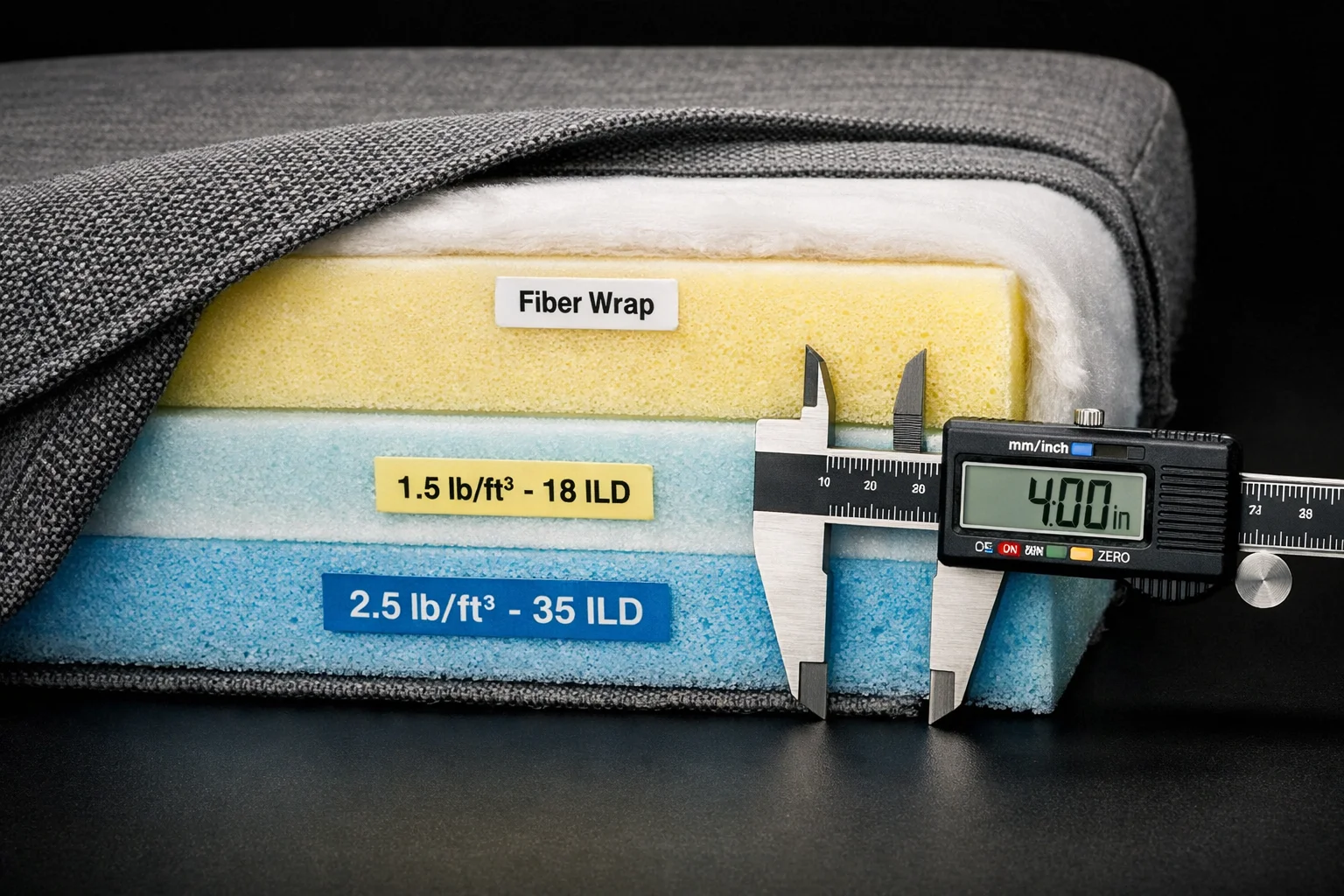
High Density Foam: The "Heavy" Truth About Quality
Understanding why heavy foam lasts longer. The correlation between polymer mass and structural integrity, and why the initial firmness is a feature not a flaw.
Analyze Details →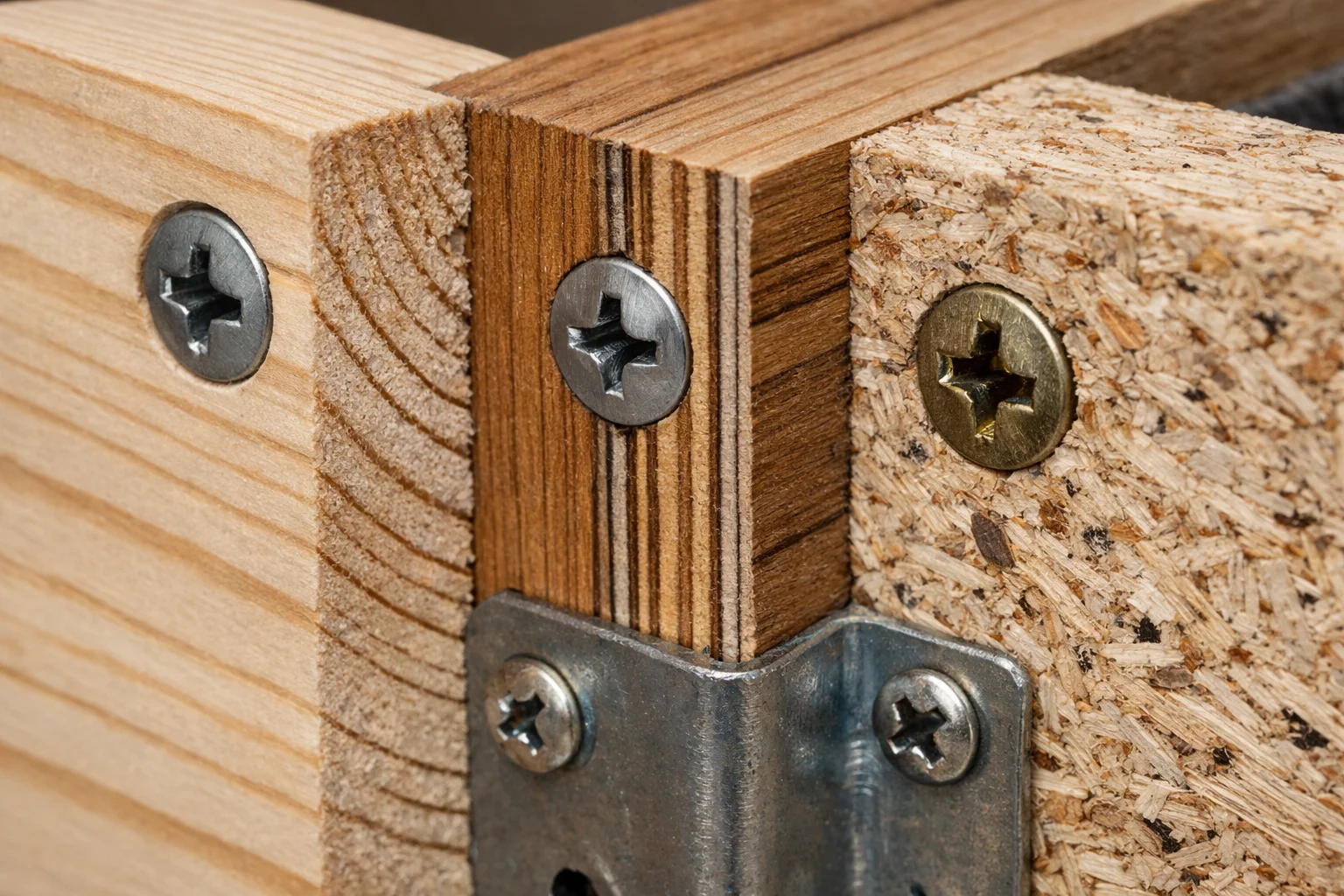
Frame Materials: The Hierarchy of Bones (Pine vs. Maple)
Understanding the hierarchy of frame materials. Why metal can be too rigid, softwood too weak, and properly specified hardwood the most reliable choice.
Analyze Details →