Engineered Wood Frames: Why Plywood Beats Solid Wood
Introduction
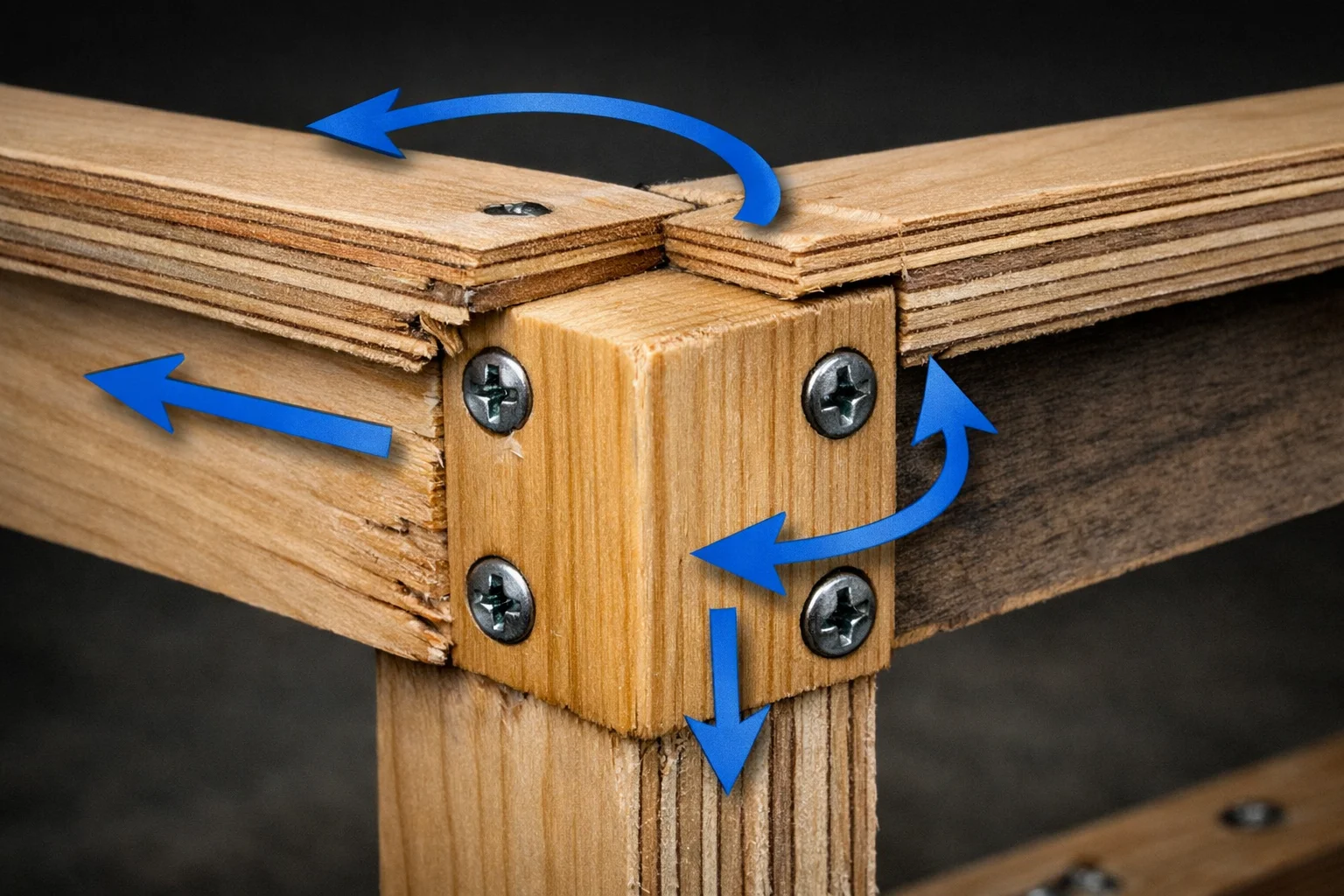
My solid wood coffee table split right down the center last winter. The humidity dropped, the wood shrank, and it snapped loudly. Meanwhile, my cheap plywood shop stool is indestructible. This taught me that “Solid Wood” is a marketing term, not an engineering guarantee. In high-traffic furniture, high-quality engineered wood is often structurally superior to nature.
That lesson is the mindset I want you to bring into sofa shopping. If you go in hunting for magic words like “solid wood frame” or “luxury foam,” you can still end up with a couch that sags, creaks, and looks tired in a year.
What I try to do instead is treat a sofa like a system. The frame has to stay square, the joints have to stay tight, the suspension has to carry your weight every day without stretching out, and the cushions have to bounce back without turning into pancakes.
This guide is about what you can actually check in a showroom, even when the salesperson is vague or the tag is trying to impress you. I am not asking you to become an expert, I am just trying to help you spot the common shortcuts that show up later as wobble, sag, and lumpy seats.
You will notice I am not automatically suspicious of engineered wood, staples, or modern materials. I am suspicious of sloppy construction, vague specs, and anything that feels like it is relying on a buzzword instead of real structure.
If you only take one idea from this introduction, take this. A good sofa is not the one with the fanciest label, it is the one that still feels tight and supportive after years of sitting in the same spot.
The "Engineered" Confusion
When I hear a salesperson say “engineered wood frame,” I treat it like someone saying “food.” It could mean something sturdy and well made, or it could mean filler and glue that will hate moisture and time, and the label is designed so you do not ask which one.Particle board is the one I try hardest to avoid in any structural sofa part. It is basically sawdust held together with glue, and once it gets damp it swells and crumbles like a sponge. In a showroom you usually will not see it called out plainly, so I ask directly, “Is any of the frame, rails, or corner blocks particle board?” If they cannot answer, or they say it is used “in some areas,” I assume it is in a load bearing place and I move on.
MDF sounds more respectable, but in seating frames it is still a problem material. It is dense and heavy, which can trick you into thinking it is strong, but it is brittle, and it does not like screws or staples being stressed over and over. If you are looking at a sofa that feels oddly heavy for its size, and the spec sheet keeps repeating “MDF” without saying where, I take that as a yellow flag and I start looking for flex in the arms and creaks in the corners when I twist the frame a little.
OSB is the chipboard looking sheet made from wood flakes, and it is strong in building construction, but furniture is a different kind of abuse. Sofas depend on fasteners holding tight through thousands of little movements, and OSB is not great at gripping staples in a way that stays tight long term. If the only “wood” the brand will name is OSB, I start asking what the rails and the attachment points are made of, because those are where looseness shows up first.
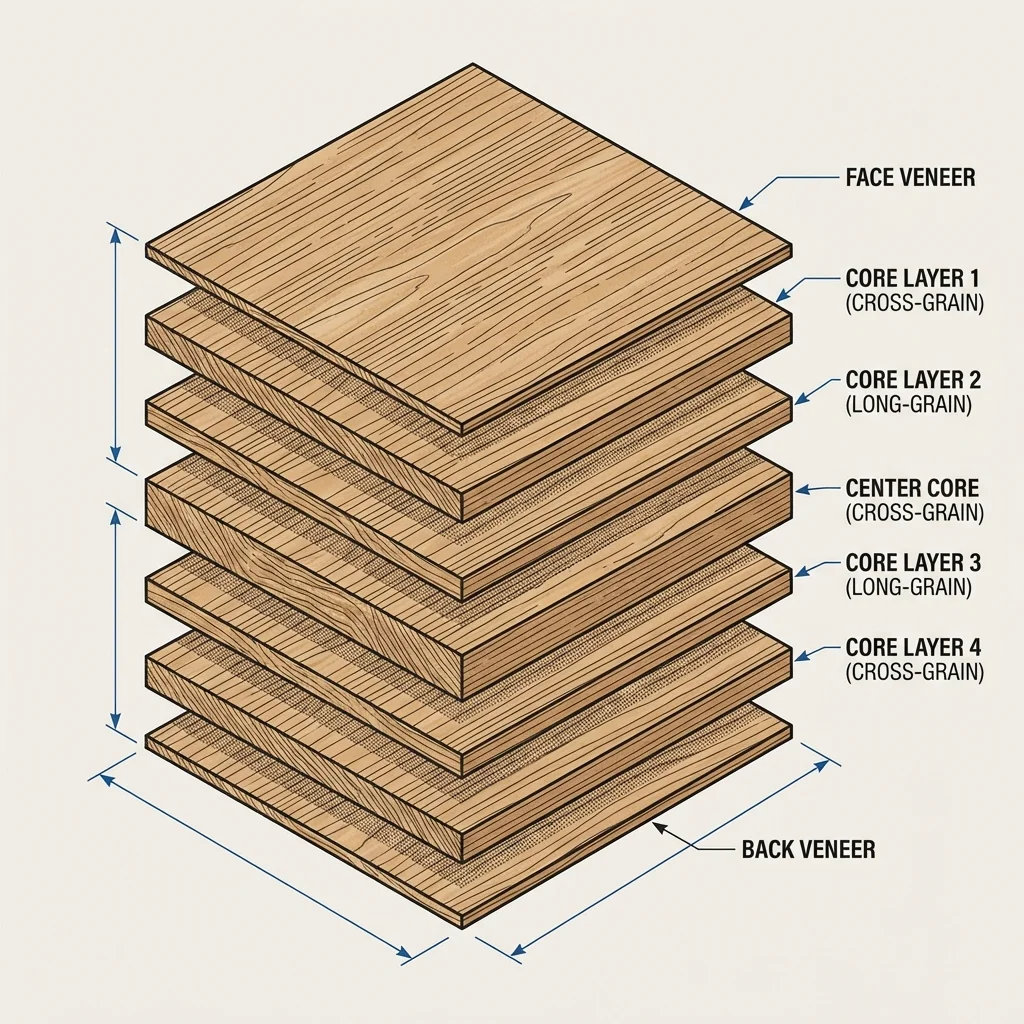
Furniture grade plywood is the engineered wood I actually like seeing in a sofa frame, especially when the company will say it plainly. It is built from multiple layers of veneer glued with the grain crossing, and that structure resists splitting and stays stable when seasons change. When a salesperson says “engineered wood,” I ask, “Is it furniture plywood, and how many plies?” and I watch how quickly they answer, because confident, specific answers usually correlate with a brand that is not hiding shortcuts.
Here is the quick test I do when the label stays vague. I ask to see the written materials list, not a brochure, and I look for the actual words “plywood” or “furniture grade plywood” in the frame description, not just “engineered hardwood.” If all I get is marketing language, I assume the worst and I make the sofa prove itself by feel.
To make it prove itself, I do two things that do not require tools. I lift one front corner of the sofa just an inch or two and see if the whole frame moves as a unit, because a good frame tends to stay square instead of wringing like a wet towel. Then I plant my weight on the end of the sofa near an arm and shift a little, listening for crackles and feeling for that delayed, rubbery give that can come from weak sheet goods and loosening fasteners.
If you want a simple way to keep the conversation grounded, ask this one question and then stop talking. “Which parts are plywood, and which parts are not?” If they cannot separate those clearly, you are not getting real specs, you are getting a vibe.
The Anisotropy Problem (Why Trees Are Flawed)
Here is the part about “solid wood” that took me a while to really internalize. Wood is anisotropic, which is a fancy way of saying it is not equally strong in every direction, and that matters a lot in a sofa that gets pushed, twisted, and bounced on.
A tree trunk is built to stand up. The fibers run along the length like a bundle of drinking straws, so it is very strong when you load it end to end, and that is why posts and beams can be impressive.
But those same “straws” are willing to separate sideways, and that is why logs split so easily. In furniture terms, that sideways weakness shows up as cracks that follow the grain, screws that start to wallow out, and joints that slowly loosen when the wood moves with seasons and humidity.
This is why I do not automatically trust “solid hardwood frame” as a quality signal. If the design puts stress across the grain, or the builder relies on fasteners driven into a direction the wood hates, that solid wood can still become the thing that fails first.
Plywood is the workaround that basically admits trees are flawed. Instead of betting everything on one grain direction, plywood stacks thin layers with the grain alternating direction each layer, so the weaknesses are interrupted over and over again.
When plywood is done well, it behaves more like a composite than a plank. It is harder to split, it tends to stay flatter, and it is less dramatic when your house swings between dry winter air and humid summer air.
In a showroom, I cannot “test anisotropy,” but I can test whether the sofa is built in a way that punishes wood’s weak directions. When you grab the arm and give it a firm shake, you are trying to feel whether the whole sofa resists as one box, or whether the arm feels like a separate lever flexing against the body.
If an arm flexes noticeably, that usually means you are watching the frame rack slightly and you are loading joints in the direction that slowly pulls wood fibers apart. That is the kind of movement that turns into squeaks now and actual looseness later.
This is also why I like to ask one very specific follow up when someone proudly says “solid wood.” I ask, “Where is it solid wood, and where is it plywood?” because a good builder often mixes materials on purpose, using plywood where cross grain strength matters and solid lumber where it makes sense.
If they cannot answer, I treat it as a sign the frame is being sold by vibe. At that point I stop debating materials in my head and go back to what my hands can verify, torsional stiffness when I lift a corner slightly, and the absence of crackling sounds when I shift my weight hard into one seat and then the other.
One small mindset shift helped me a lot. I do not ask, “Is this made of real wood?” I ask, “Is this built to stay square when it is stressed in weird directions?” That question is basically anisotropy translated into real life, and it leads you toward sofas that still feel tight after years of everyday use.
The “Solid Wood” Myth
When a mass market brand says “solid wood frame,” I’ve learned to assume they mean solid pine unless they clearly say otherwise. Pine is real wood, but it is a fast growing softwood, and “solid” does not mean “tough” in the way a sofa frame needs to be tough.
The problem is not that pine is automatically bad, it is that sofas are held together by a lot of small fasteners and constant micro movement. Upholstery is basically a stress test for whatever the staples and screws are biting into, because every sit, scoot, and flop is tugging on fabric and padding that is stapled to the frame in thousands of places.
In soft pine, staples can gradually loosen their grip as the wood fibers crush and relax. You might not see it right away, but over time it can show up as fabric that loses tension, a skirt that starts to hang oddly, or a frame that develops little squeaks where things used to be tight.
This is one reason I actually like seeing multi ply furniture plywood used in the rails and staple zones. Plywood’s alternating grain layers tend to grab staple legs more consistently, so the attachment points stay dependable instead of slowly turning into widened holes.
The other issue with solid pine is warping. Pine reacts to humidity swings, and that can mean subtle twisting or bowing over the years, especially in long spans like front rails and side rails. When a sofa frame stops being square, you feel it as rocking, creaking, or a seat that starts to feel different on one side than the other.
Plywood is not magically indestructible, but it is far more dimensionally stable in normal home conditions. In plain terms, it is less likely to slowly turn into a pretzel as your house cycles through winter dryness and summer humidity.
If you want to keep this practical in a showroom, I would not argue about wood species in the abstract. I would ask the salesperson to point to what parts are “solid wood,” and then I would follow with, “Are the long rails and the staple strips plywood or pine?” If they cannot tell you, or they keep repeating “solid wood frame” without explaining where, I treat that as a sign they do not actually know what is inside.
Then I try to make the sofa confess with a couple of simple physical checks. I run my fingers under the front edge and under the deck if I can reach it, because I am feeling for a clean, layered plywood edge versus a single soft board, and I am also looking for areas that feel crushed or fuzzy where staples are biting.
I also listen when I do the corner lift test you already read about. If the frame makes small crackly sounds or you feel delayed flex that seems to come from an attachment point rather than the whole frame moving as a unit, that is the kind of feedback I associate with softer wood and fasteners that are already working on their exit.
The Void Risk Check
Not all plywood is equal, and this is where a “plywood frame” claim can still hide a shortcut. Builder grade plywood can have hidden voids where knots fell out, and when a screw or staple lands in a void it can spin or loosen because it never really bit into solid material.What I do is ask for the exact phrase “void free furniture grade plywood” in writing, not just “plywood,” and I ask what type it is, because the people who actually used it usually know whether it is something like Baltic birch or a maple laminate. If they cannot give you a straight answer, I assume it is not the good stuff.
If you are allowed to look underneath, I also look for any exposed plywood edge where I can see the layers. Clean, consistent layers with no gaps are what you want. Visible pockets, crumbly patches, or sections that look like they have a missing layer are a bad sign because those are the spots where fasteners can lose purchase over time.
The mindset shift that helps me here is this. “Solid wood” is not a finish line, it is just a material choice, and in sofas it is often a cost saving material choice. What you want is a frame that holds fasteners well and stays square, and that often means good plywood in the places that actually take abuse.
If you keep your questions specific, you can usually cut through the marketing quickly. When I hear “solid wood frame,” I respond with, “Okay, which wood, and where?” and I wait for details instead of reassurance. If all you get back is a slogan, I would move on to another model, because the good ones usually come with real answers.
The Chemical Question
The one valid concern I still have with engineered wood in sofas is not the wood itself, it is the adhesive holding it together. You can buy a structurally decent plywood frame and still end up living with a chemical problem you did not sign up for.
The older issue is urea formaldehyde glues. They are notorious for off gassing, and that is a big reason some new furniture has that sharp “new furniture smell” that hangs around for weeks or months instead of fading in a day.
The newer, better situation is when a brand can clearly say the product uses CARB Phase 2 compliant adhesives. That standard exists specifically to limit formaldehyde emissions, and in practice it usually lines up with furniture that does not stink up your room.
In a showroom, I do not try to debate chemistry with a salesperson who is reading a script. I ask for a written materials or compliance statement that explicitly mentions CARB Phase 2 compliance, and I treat vague phrases like “low VOC” as marketing unless they tie it to a real standard.
Then I use the simplest test you already have, your nose, and I take it seriously. If you open the box at home and it smells like a nail salon, sharp, sweet, and eye watering, I do not try to air it out for a month out of stubbornness, I start the return process while the return window is still wide open.
I also try to do a quick smell check in the store, but I do it the right way. I put my face near the seams and the underside, because upholstery and decking fabrics can trap and concentrate odors, and I pay attention to whether the smell is mild and “new” or whether it has that chemical bite that makes you want to pull back.
If you are sensitive to smells, or you have kids who will be face first on the cushions, I would rather you buy the boring option that smells like almost nothing than the “upgrade” that fills your living room with fumes. A sofa is too big to quarantine, and it is too expensive to gamble on hope.
Technical Summary: The Frame Specification
When I get to the point where I am ready to compare two sofas that both feel decent in the showroom, I try to force the frame conversation into specifics. “Engineered wood” is not a spec, it is an evasion, and I do not let the conversation move on until I hear exactly what the engineered wood actually is.For the main structural parts, what I want to hear is hardwood laminate plywood, and I want them to say the ply count. If they can confirm it is something like 7 ply or 11 ply hardwood laminate, that is the kind of answer that usually correlates with a frame that stays square and holds staples and screws without slowly loosening.
Then I ask what the veneers are, because “hardwood” can be used loosely. Birch, maple, and poplar veneers are common choices in better furniture plywood, and when someone can name one of those clearly it usually means there is a real bill of materials behind the sofa. If all I get is “mixed softwoods,” I take that as a sign they are blending in cheaper species, and I assume the frame will be more prone to fastener loosening and seasonal movement.
Thickness is the next thing I ask about, because thin sheet goods can feel fine on day one and still get flexy over time. I look for a minimum around 7/8 inch in the rails and other load bearing members, and if they cannot tell me thickness at all, I treat that as another sign I am not getting a true frame specification.
Finally, I ask for CARB Phase 2 compliance in writing, not as a spoken reassurance. If the brand can show a spec sheet or tag that explicitly states CARB Phase 2 compliant materials, I feel a lot better about living with the sofa in a closed room. If they only offer “low VOC” with no standard attached, I assume it is marketing and I go back to my nose test and my willingness to walk away.
Explore Technical Reference
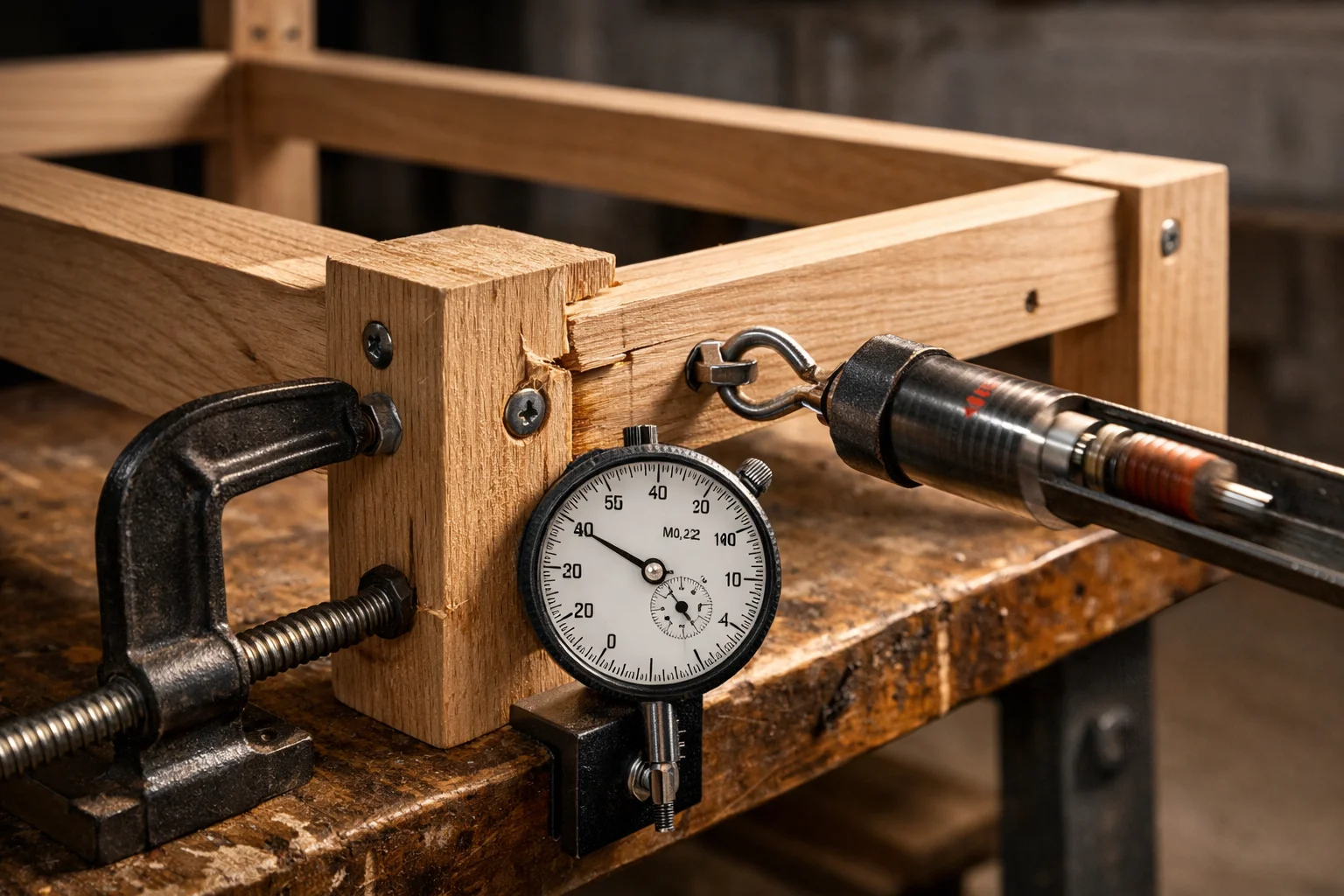
Frame Anatomy 101: The Skeleton of Comfort
The foundation of all furniture. Understanding the terminology of rails, stiles, stretchers, and localized reinforcement.
Analyze Details →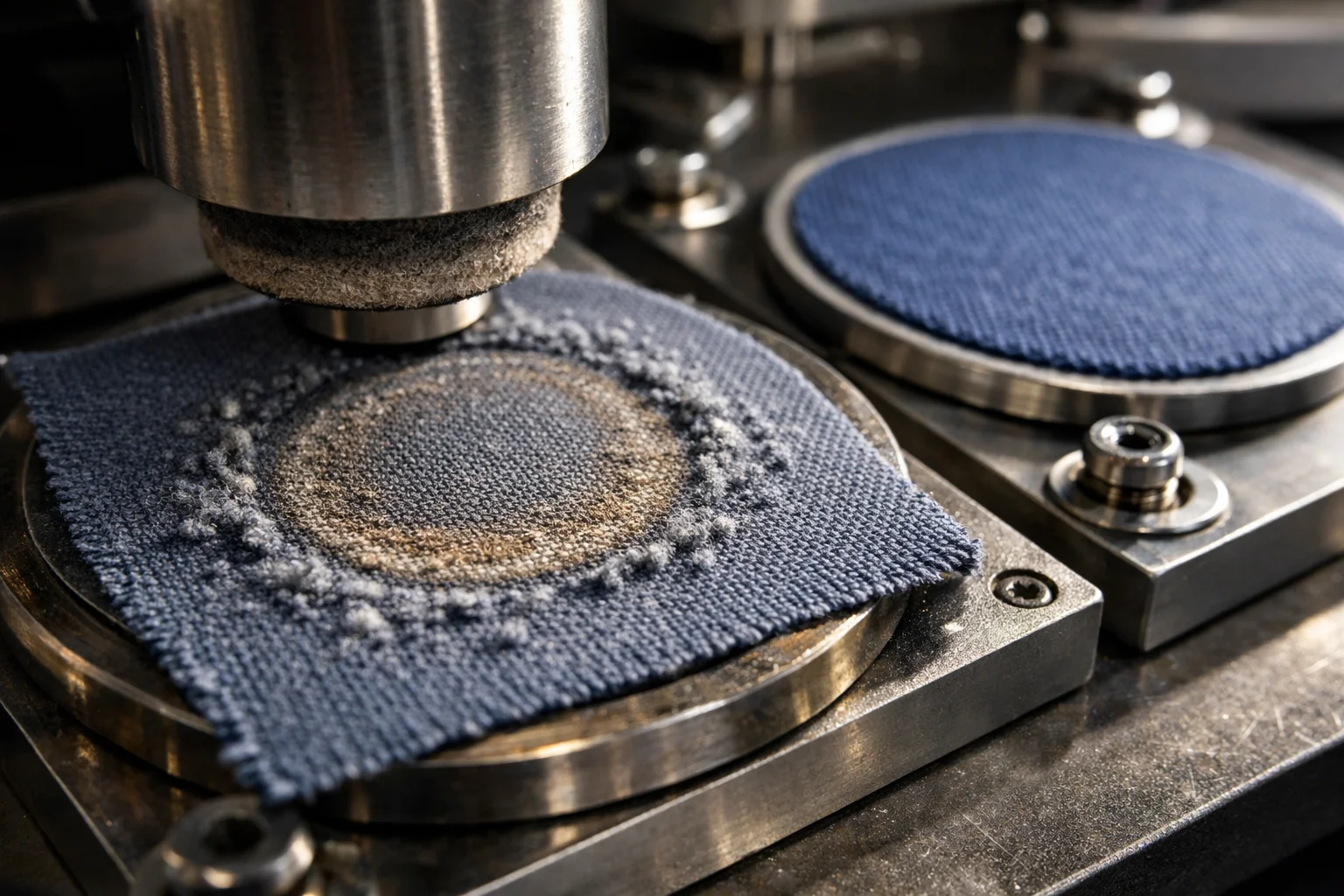
Fabric Types: The Durability Hierarchy (Pet & Kid Proofing)
Understanding the durability hierarchy from microfiber to silk. Why velvet is tough and cotton is fragile despite common assumptions.
Analyze Details →