Custom vs Stock Sofas: Understanding the Patience Tax
Introduction
Nearly five months later, the sofa finally arrived.
It looked fine at first glance, and I wanted to believe the delay was just bad luck. Then I sat on it for a week, lived with the cushions for a month, and started noticing the little tells that a showroom sit does not reveal.
What bothered me most was how normal the whole experience felt. The store had a nice display, the associate had a rehearsed explanation, and I walked out thinking I had made a careful choice just by choosing a good looking model and upgrading the fabric.
That is the trap I have fallen into more than once. Most sofas feel okay for a few minutes under bright lights, and the stuff that makes them last is either hidden inside or softened by brand new foam.
So this guide is me trying to help you do what I wish I had done. I will show you how I check a sofa in a showroom, what questions I ask that actually change the outcome, and how I try to avoid paying premium money for furniture that starts sagging right after the return window closes.
I am not going to ask you to memorize materials science or trust marketing terms. I am going to focus on the few physical checks you can do with your hands and body, plus the handful of answers you should get in writing before you put down a deposit.
Technical Definition: Custom vs. Customized
When a salesperson says “custom,” I stop them and ask what they mean in plain terms, because in furniture stores that word gets used loosely. To me, custom means the sofa is built from scratch to your specs, which usually comes with a longer lead time, often something like 12 to 24 weeks.
Customized is the more common reality. It usually means the brand already has a standard frame and cushion package, and you are mainly choosing a non standard fabric or leather, sometimes with a limited set of add ons like different leg finishes. That tends to land in a shorter window, often around 4 to 12 weeks, but it is still not the same thing as buying a piece that is already sitting in a warehouse.
Here is how I use this distinction to protect you from overpaying. If it is “customized,” I treat it like a stock sofa with a fabric swap, and I refuse to pay a custom premium just because the fabric is not on the floor. I also ask for the exact model name or frame number on the order, plus the exact fabric code, then I have them write “no substitutions without approval” on the invoice so you are not surprised by a similar looking replacement cloth later.
Lead time matters because it hints at what can go wrong. A true stock purchase mostly avoids the waiting game, while a customized order can still get delayed by fabric availability, dye lot issues, or a backlog at the cutting and sewing stage. Even if a store is confident, you are still exposed to supply chain hiccups that an in stock piece sidesteps, and it is fair to ask them to spell that out before you commit. If you want more context on why these delays keep happening, this overview is useful: supply chain disruptions.
In the showroom, I ask one simple question that changes how I decide: “If I bought this exact sofa exactly as shown on the floor, how soon could it be delivered, and how different is that from ordering it with my fabric?” If the in store version is available quickly and the only thing you are changing is fabric, I usually tell you to consider whether the upgrade is worth the wait and the risk, especially if you need the sofa by a firm date.
Finally, I ask about cancellations and returns in a very specific way, because custom and customized are often used to block you from backing out. I want you to hear, in writing, whether your order is considered special order, when it becomes non cancelable, and what happens if the delivery date slips past the promised window. If they will not put those answers on the invoice, I treat that as a warning sign and I slow down.
The Stock Reality: Speculative Production
Stock furniture exists before you order it, and that simple fact changes what you should focus on in the showroom. Somewhere in a warehouse, the sofa is already built, wrapped in plastic, and waiting for a retailer to call it in.
When a salesperson says “in stock,” I do not take it as a vague comfort phrase. I ask what “in stock” means in their world, because sometimes it means “available to order” and not “already built.” I want them to confirm that the exact SKU is physically sitting in a warehouse, and I want to know which warehouse, because a piece that is “in stock” across the country can still turn into a long, messy wait once trucking and transfer times hit.
I also ask whether it is stock at the brand, at the retailer, or at a distributor they do not control. If it is not under the retailer’s roof, I treat the delivery promise as softer, and I ask them to write the estimated delivery window on the invoice anyway, with what happens if it misses that window.
Here is the upside of stock that I actually care about as a buyer. Stock usually reduces the number of handoffs and decisions after you pay, which reduces the odds of a surprise substitution, a delayed fabric, or a “we are waiting on one component” excuse. If you need the sofa by a certain date, stock is the cleanest path, and I would rather choose a good stock configuration than gamble on a special order with a tight deadline.
Now the part that can bite you is that stock sofas are produced speculatively based on high probability sales data, which means the manufacturer is trying to build what sells fastest with the fewest headaches. That often nudges the product toward safer, cheaper choices inside the sofa, because most people will not open it up or sit on it long enough in the store to notice early comfort loss.
So when I am looking at a stock sofa, I pay extra attention to the things that tend to be “good enough on day one” but disappointing by month six. I sit in the same spot for longer than feels polite, I slide forward and stand up a few times, and I notice whether the seat springs back or stays slightly compressed. If the seat already feels like it is training my hips into one position, I assume it will only get worse once the foam breaks in.
I also do a quick, quiet frame reality check with my hands. I grab the arm near the front and give it a firm wiggle, then I do the same at the back corner. I am not trying to be dramatic, I am listening for creaks and feeling for looseness that should not exist in a brand new piece.
Stock also changes how I think about “the one on the floor.” Sometimes the floor model has been sat on a thousand times and is closer to its real feel than a fresh one. Other times it has been babied, rotated, and fluffed by staff, and it hides how quickly the cushions will settle at home.
So I ask a very plain question: “Is the delivered sofa coming from a warehouse, or am I buying this exact floor sample?” If it is the floor sample, I ask for a discount that reflects wear, and I look closely at the seat deck and the front edge for early sagging because that is where you live on a sofa. If it is coming new from a warehouse, I try to treat my comfort impression as provisional and focus more on construction and cushion details than on the initial plushness.
The most actionable move you can make with stock is to force specificity on paper. I ask them to write the exact model name, the configuration, the arm style, the leg finish, and the cushion fill, because stock programs sometimes have near twins that look identical from ten feet away. If a store cannot or will not specify the exact build you are paying for, I assume you could receive the “close enough” version that was easiest to ship that week.
Finally, I protect you from the easiest stock bait and switch, which is showing you one comfort level on the floor and delivering another because “that is what ships in the quick ship program.” I ask, “Is the seat cushion core the same in the quick ship version as the one I am sitting on right now?” Then I ask them to confirm it in writing, because that one line often matters more to your long term happiness than the fabric ever will.
The Advantage of Batched Efficiency
When a sofa is a true stock item, it is usually built in big production runs. I have learned to like that, not because I am cheering for factories, but because batching tends to remove a lot of expensive, error prone one off handling that shows up later as delays and “we had to substitute” stories.
The practical upside for you is that the price is often more honest. The maker can spread setup time and labor across a lot of identical units, so the per sofa cost drops, and you sometimes see that reflected in the ticket price without needing to play the upgrade game.
In the showroom, I use this to keep myself from getting upsold by vague language. If the salesperson is pitching a stock program as “a great value,” I ask what exactly is standardized about it, meaning the frame, the cushion core, the spring system, and the cover type, because that is where the savings usually come from.
Then I do one check that protects you from the most common downside of efficiency. I ask whether the quick ship or stock version uses a different cushion package than the one on the floor, and I want the answer tied to the SKU I am buying, not to the name of the collection. If they say something like “it should be the same,” I treat that as a no until they confirm it on the invoice.
The other real advantage is what happens if something goes wrong after you get it home. Stores are usually much more flexible with returns and exchanges on standard, resellable stock items, because they can put that sofa back into inventory and sell it to the next person without eating a custom build.
I do not assume that flexibility, I make them define it. I ask you to get the return policy in writing before you pay, and I look for plain language about restocking fees, pickup fees, the condition requirements, and whether you are stuck with store credit.
If you are trying to choose between stock and special order, this is where I often land personally. Even if the stock option is not your dream fabric, the combination of lower price and a more realistic exit ramp can be worth more than a perfect swatch, especially if you are not one hundred percent sure about comfort after a five minute sit. You can read more on what I ask for and what I avoid agreeing to here: return policies.
One more thing I watch for with stock efficiency is the temptation to settle too fast. A low price and fast delivery can make you ignore early warning signs, so I slow myself down and do the same sit test twice, once when I first walk in, and once again right before I leave. If I feel my body making excuses the second time, I take that as my cue to keep shopping, because the cheapest sofa is still expensive if you end up hating it.
The Configuration Limit
Batched efficiency has a ceiling, and you usually hit it the moment you care about color. To keep production moving, manufacturers tend to stock what I think of as neutral survivors, grey performance fabrics, beige linens, and tan leathers that offend the fewest people and photograph well under showroom lighting.
When you want a specific designer look, this is where you can accidentally overpay. The store will often funnel you into a “special order” fabric book, and suddenly you are accepting a long lead time and a stricter cancellation policy just to escape the sea of grey.
In the showroom, I handle this by separating the look problem from the sofa problem. I first decide whether the frame and cushions are worth owning in any color, because if the build is mediocre, a prettier fabric just means you are waiting longer for the same disappointment.
Then I ask a question that forces the real tradeoff into daylight: “Which colors are actually stocked under the quick ship program for this exact configuration, and which ones turn it into a special order?” If they cannot tell you immediately, I ask them to check the SKU list and show me, because “it should be quick” is how you end up waiting months.
If you are trying to get out of neutrals without going fully custom, I have had the best luck asking about the next most common stocked options, not the entire universe of swatches. Sometimes there is one blue, one green, or one off white that is still part of the batch program, but nobody mentions it because the floor is dressed in safe colors.
I also watch for a sneaky version of the configuration limit: the color is stock, but only on a different arm style, a different leg, or a different cushion fill. If you care about comfort, this matters, so I ask them to confirm that the “fast” color is the same seat cushion package as the one you tested, and I get that note on the invoice.
When you do go outside the stocked palette, I want you to treat the fabric choice like a contract detail, not a vibe. I ask for the exact fabric name and code, I ask whether the cover is cut from a specific dye lot, and I ask them to write “no substitutions without approval” so you do not get a similar looking neutral because your first choice went on backorder.
Finally, I give you permission to be practical. If you love a sofa but hate the stock colors, you can sometimes solve the aesthetic with a rug, throws, and pillows while keeping the stock build and stock delivery. I have come to prefer that compromise over locking myself into a non returnable special order, especially when I am not completely certain how the cushions will feel after a couple of months of real use.
The ‘Quick Ship’ Rule
The "Quick Ship" Rule
When I am shopping online or standing at a kiosk in a showroom, I filter for “In Stock” or “Quick Ship” early, because it changes what you are actually looking at. If a sofa is not in one of those categories, you are not choosing between ready to deliver pieces, you are choosing a place in a manufacturing line, with all the delays and substitutions that can come with it.I treat “Quick Ship” as a claim that needs a definition, not a feature. I ask, “Quick ship from where, and is it already built?” because some brands use quick ship to mean the fabric is stocked but the sofa still has to be assembled, upholstered, or finished after you order.
In the store, I ask them to show me the quick ship sheet, the SKU list, or whatever document their system uses, and I make sure the exact configuration you want is actually included. The trap is that the program may cover the sofa size on the floor but not the sectional you are building, or it may cover one depth but not the deeper “lounge” version.
I also ask what exactly is quick about it, shipping time or production time. If it is quick because it rides on a weekly truck route, that is different from quick because it is sitting in a warehouse wrapped and labeled, and the second one is the one that tends to behave like a normal retail purchase.
Then I get very literal about dates. I ask for an estimated delivery window tied to the specific SKU, and I ask what happens if that window slips, because a quick ship promise with no consequence is just a hope.
If you are buying because you need the sofa soon, I want you to push one step further and ask whether the store can reserve or allocate that in stock unit for you when you pay. If they cannot, you may be racing other buyers for the same inventory, and “in stock” can quietly turn into “next run,” which is exactly what you were trying to avoid.
Finally, I do not let quick ship become an excuse for surprises. I ask them to confirm in writing that the quick ship SKU uses the same seat cushion construction as the one you tested, because quick ship programs sometimes simplify the inside to keep things moving, and you will feel that difference long after you forget how fast it arrived.
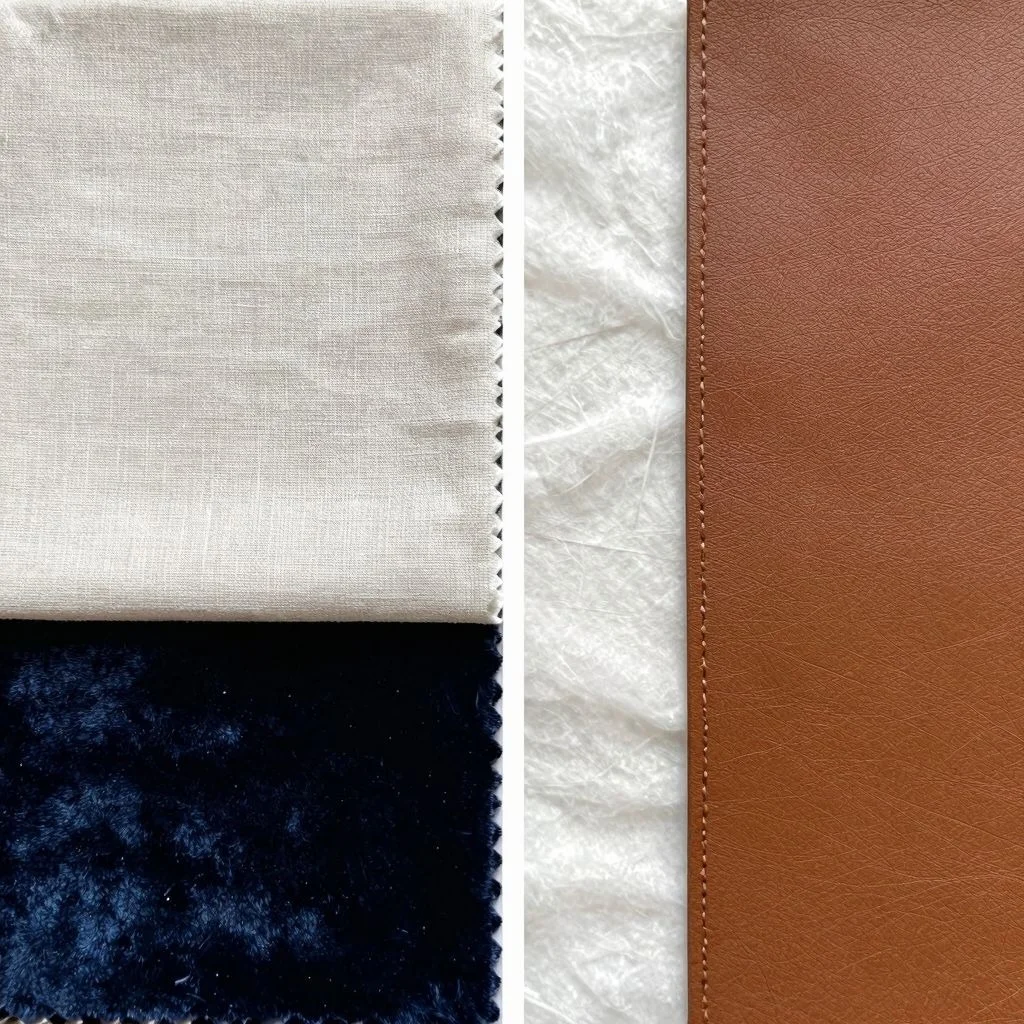
When a salesperson hands you a stack of swatches, it feels like you are finally making the sofa yours. I still like that part, but I have learned to treat swatches as color and texture information only, not as a promise that your timeline is safe.
In the showroom, I ask one question right there at the swatch rack: “Is this fabric physically in stock in the mill’s warehouse right now, or is it made to order?” If they do not know, I ask them to look it up in their system and show me what it says, because “it’s a standard option” can still mean “backordered for months.”
Then I get specific about what “available” means. I ask whether it is stocked in the right width and whether there is enough yardage for my exact configuration, because a sectional can require a lot more fabric than the sofa you are sitting on, and that is how you get delayed even when the fabric is technically a regular option.
If you are choosing anything with visible variation, like a slubby weave, a heathered color, or a performance fabric with a printed pattern, I want you to ask about dye lots in plain language. I say, “If you run short on yardage mid build, will the rest come from the same dye lot, and if not, what happens?” I am trying to prevent the subtle mismatch where one cushion looks slightly different in daylight and you cannot unsee it.
I also ask about substitutions in a way that makes it hard to wiggle out of later. I say, “If this fabric becomes unavailable after I order, do you pause the order and contact me, or do you replace it with the closest match?” If you hear anything other than “we stop and ask,” that is your cue to slow down and make sure “no substitutions without approval” is actually written on your invoice.
Swatches are also where I do my own little honesty test on durability, because the pretty options can be the most delicate. I rub the swatch hard between my fingers, I scratch it lightly with a fingernail, and I look for immediate fuzzing or color change, since those tiny early signs often turn into pilling on the sofa arms where you live.
If you have pets or wear jeans a lot, I want you to do a snag check too. I drag a ring, a zipper edge, or even just a dry fingertip across the surface, and I avoid anything that pulls loops easily, because it will look tired fast even if it feels luxurious on day one.
Finally, I do not let the swatch book distract from the thing that matters more than color, which is whether you would still want the sofa if it came in the boring stocked fabric. If the answer is no, I would rather you keep shopping than lock yourself into a long, non cancelable wait for a look that might arrive late and still sit badly.
The Custom Promise: Personalization vs. Physics
When you select a non stock configuration, you are not just “placing an order,” you are creating a manufacturing work order. The factory now has to coordinate fabric delivery from mills, often in Belgium or Italy, manage foam cutting schedules, and allocate labor, and any weak link can move your date.
What I want you to keep in your head is that customization is mostly paperwork plus scheduling, not magic. You can personalize the outside, but you cannot negotiate with physics on the inside, meaning cushion materials still soften, frames still flex, and gravity still finds the weakest point in the seat deck.
So when a salesperson leans hard on “we can build it any way you want,” I slow the conversation down and make it concrete. I ask what exactly changes when I customize, and I make them separate cosmetic choices, like fabric and leg finish, from structural choices, like seat cushion core, spring system, and seat depth.
If the only thing you are truly changing is the cover, I treat the decision like this: you are choosing a longer wait and a stricter policy in exchange for a look. That can be worth it, but only if you have already decided the underlying sofa is something you would happily live with in a boring color.
The physics part shows up most in seat comfort over time, and this is where custom orders can disappoint you even when the showroom sample felt great. The floor model might have a cushion package that is not what you will receive, or it might be brand new and still “tall,” and either way your body will not know the truth until weeks later.
In the showroom, I ask a question that sounds annoying but saves real regret: “On my exact order, what is the seat cushion construction, and can you put it on the invoice with whatever code you use internally?” I am trying to avoid the situation where the receipt says “standard seat” and that phrase quietly covers multiple builds that feel different.
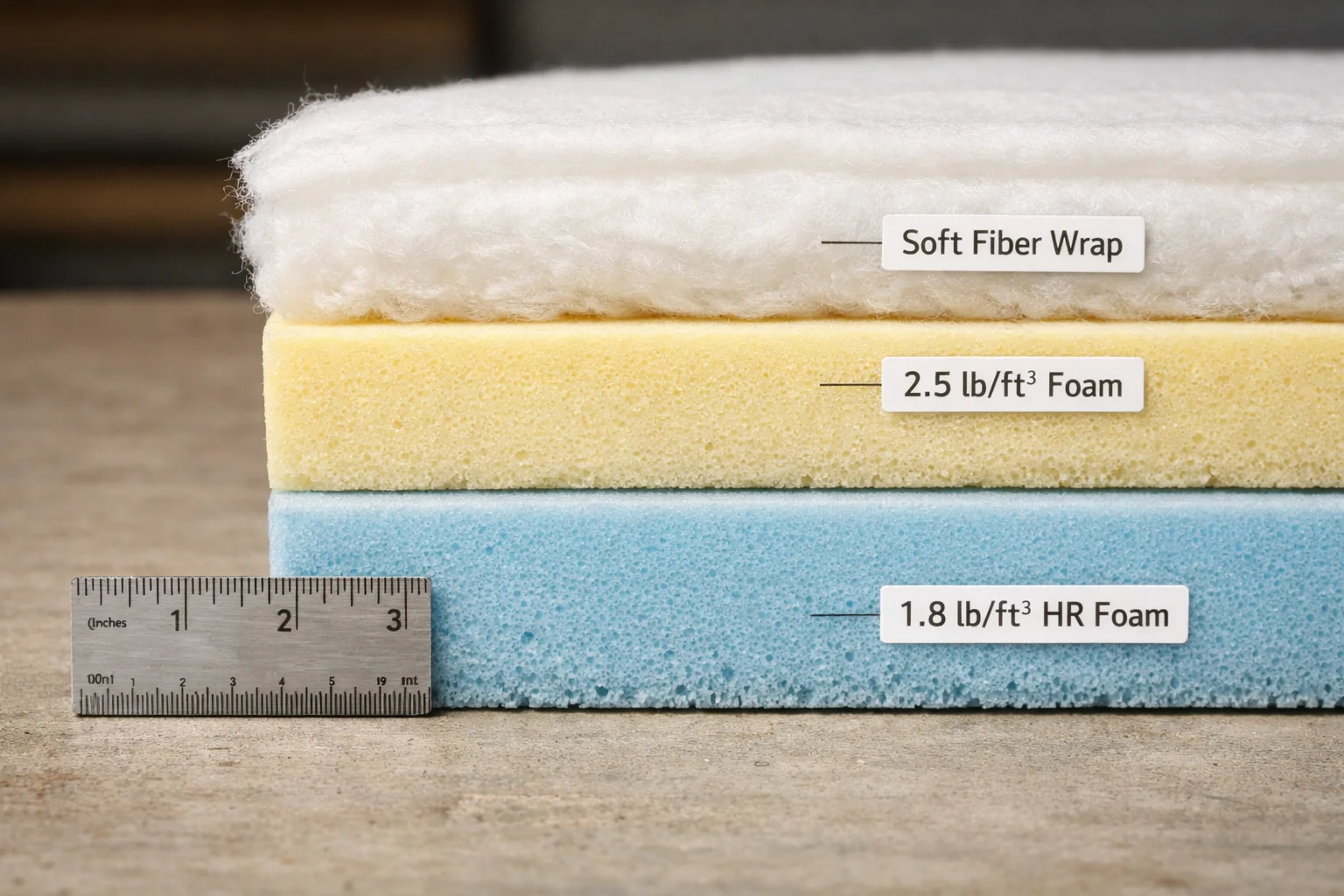
Then I ask about foam in plain English, not density charts. I say, “Is this a single foam core, a foam core with a softer wrap, or a blended fill, and which one is most likely to show a visible dip where I sit every day?” If they cannot answer that without spinning, I take it as a sign they do not really control what is inside, they just sell the options.
Custom also changes your leverage, and I want you to feel that before you pay. Once a piece is cut in your fabric, you are usually married to it, so I ask you to treat the deposit like a point of no return unless proven otherwise in writing.
What I do is ask them to write down two moments on the invoice, the moment it becomes non cancelable, and the moment it becomes non changeable. Those are not always the same, and if they will not commit to that on paper, I assume the strictest version will be enforced when you try to adjust something later.
You also need to protect yourself from “we had to substitute” stories that happen midstream, especially on custom fabrics and cushion components. I already push for “no substitutions without approval,” but here I go one step further and ask what happens if a component is delayed, meaning do they hold the entire build until everything matches, or do they build with what they have and plan to swap later.
If they talk about swapping later, I get cautious, because upholstery work done twice is rarely invisible. I want you to ask, “If anything is replaced after initial upholstery, who pays, and does that reset my warranty clock or complicate it?” If they cannot answer cleanly, I would rather you choose a configuration that uses stocked components.
There is also a practical timing reality most stores do not explain until you are already frustrated. A custom sofa is a chain of dependencies, so “twelve to twenty four weeks” is not a single countdown, it is a set of gates, and one late fabric shipment can push everything behind it.
That is why I ask for a more honest description of the timeline, even if they cannot guarantee it. I say, “What is the long pole, fabric weaving, frame build, cutting and sewing, or final upholstery, and which part has been the most delayed lately?” You are listening for whether they have real visibility or they are guessing.
If you need the sofa by a life deadline, like a move or a baby, I give you my blunt rule. I do not order custom against a hard date unless I am also okay with a backup plan, because the factory does not care about your calendar, and the store cannot always fix it once the work order is in motion.
Finally, I keep the personalization urge from blinding me with one last check. Before I sign, I sit on the floor model again and I picture it with my chosen fabric, then I ask myself a mean question, would I still buy this if the custom fabric got delayed and I had to live with the stock one for a year.
If the honest answer is no, I treat that as a warning that I am buying the swatch, not the sofa, and I keep looking.
The Lead Time Truth: The +50% Rule
When you hear “eight to ten weeks,” I want you to translate that in your head as “that is the best case if nothing goes wrong.” In my experience, something almost always goes wrong, and it usually has nothing to do with the store’s effort and everything to do with how many hands touch your order after you pay.
So I use a simple rule that keeps me from planning my life around an optimistic estimate. I add about fifty percent to whatever lead time they quote, and I treat that new number as my real planning window.
If they tell you eight weeks, I plan around twelve. If they tell you twelve weeks, I plan around eighteen to twenty, because delays stack, they do not cancel each other out.
Here is why this matters in a showroom, not just later when you are annoyed at home. The lead time is a clue about risk, and you can use it to decide whether you should special order at all, whether you should pick a more stocked fabric, or whether you should keep shopping for something that is already built.
I also want you to listen to the shape of the promise. “Eight to ten weeks” sounds precise, but it often means nobody is actually reserving material for you yet, they are just quoting a typical range, and your order will join a queue where one backordered fabric or one foam shortage can push everything behind it.
When I am serious about buying, I ask them to spell out what the lead time includes. I say, “Is this eight to ten weeks to arrive at your warehouse, or eight to ten weeks to be in my living room,” because those are two different clocks, and the last mile delivery schedule can easily add another couple of weeks.
Then I ask for the date language on paper, because vague words are where you lose leverage. I want the invoice to show an estimated delivery window, and I want it to say what happens if that window is missed, even if the answer is simply that I can cancel for a full refund after a certain point.
If you have a hard deadline, I do not want you to gamble with a soft promise. I ask, “What is the latest delivery date you are willing to put in writing, and what do I get if you miss it,” because the way they respond tells you whether the timeline is grounded or just sales momentum.
The final move I make is emotional, not technical. If the fifty percent padded timeline would make you miserable, meaning you would be without seating, stuck on an air mattress, or hosting family with nowhere to sit, I treat that as a sign you should pivot to stock or quick ship, even if it means compromising on a fabric you like.
The Non-Return Reality: The Binding Commitment
Once you cross into custom or even “just a fabric change,” I want you to assume you are stepping into final sale territory unless you see different language in writing. Retailers cannot easily resell a chartreuse velvet sofa configured to your specific taste, and the market for that exact combination is basically one person, you.
In the showroom, I do not ask “Is it returnable,” because you will often get a fast, friendly no that ends the conversation. I ask, “If I do not like it when it arrives, what are my options,” then I stay quiet and listen for whether they mean a true refund, an exchange, store credit, or nothing.
The word “final sale” can hide a lot, so I push for specifics that actually matter to you. I ask them to show me the policy text, then I look for what happens in three situations, buyer’s remorse, comfort dissatisfaction, and defects or damage, because stores treat those very differently.
What I want you to watch for is the trap where the only escape hatch is “manufacturer defect,” and the store decides what counts as a defect. If you think you might hate the firmness, the depth, the back height, or the way the cushions settle, you should treat a special order like a binding commitment, because none of those are usually considered defects.
This is where I slow you down and make you do one uncomfortable but useful thing. Before you order a special fabric, sit on the floor model again and ask yourself whether you would be willing to own the sofa if it arrived exactly on time but you could not return it, even if the cushions feel different at home after two weeks.
If you are still leaning toward special order, I try to get you a little leverage before you pay. I ask the salesperson, “What is the maximum I can change without penalty, and by what date,” because sometimes you can still adjust details before the fabric is cut, and sometimes you cannot change anything the moment the order is submitted.
Deposits are the other place where people get hurt. I ask, “Is my deposit refundable, and under what conditions,” then I ask them to write the answer on the invoice, because a receipt that simply says “deposit” is often treated later like you knowingly gave up your only bargaining chip.
I also protect you from the “it arrived, so it is yours” move, even when it is wrong. I ask what happens if the sofa shows up with visible issues, like a twisted seam, uneven cushion fill, a leg that does not sit flat, or a fabric flaw, and whether you can refuse delivery without losing your deposit.
When delivery day comes, your leverage is highest before the team leaves and before you sign anything. I always tell you to take a slow lap around the sofa in good light, sit on every seat, and check the front edge where your thighs land, because that is where early discomfort and early sagging show up first.
If the store’s policy says you cannot return a special order, I still want you to insist on a clean process for problems. I ask them in advance, “If there is a warranty issue, who do I call first, you or the manufacturer,” because the fastest path is usually through the retailer, and I do not want you getting bounced between phone trees.
The last thing I do, and it has saved me real money, is I ask for the order to be described in a way that cannot be casually reinterpreted later. I want the invoice to clearly show that it is a special order and what that means, and I want it to name the exact model and the exact fabric code, because if the paperwork is vague, the store can claim they delivered what you ordered even when it is not what you thought you ordered.
If any of this feels tense in the moment, I remind you of the core reality. A special order sofa is often a one buyer product, and once it is in your fabric, you are the only realistic exit plan. That is why I treat the paperwork and the policy as part of the construction, because they determine what happens when the honeymoon period ends.
The ‘No Divorce’ Clause
The "No Divorce" Clause
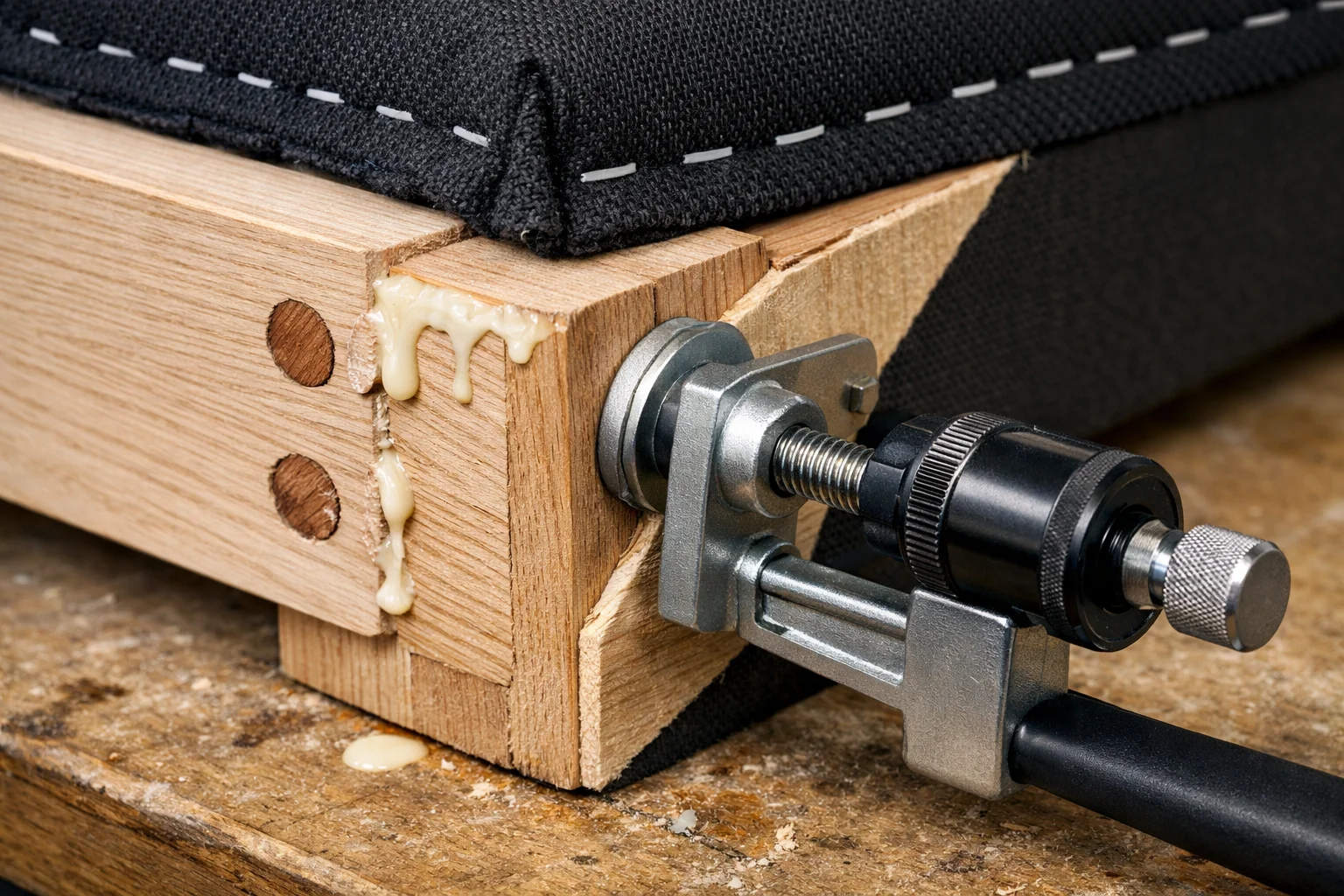
A custom order is a legal commitment. Once the manufacturer cuts the fabric, you own the result. Mismatches in lighting, texture, or slight dimension errors are not considered "manufacturing defects." If it doesn't fit through your front door, you still own it.This is the part I wish someone had said to me plainly, special order is often treated like a marriage contract with no clean exit. Once the fabric is cut, most stores will act like the conversation is over unless something is clearly broken.
When I hear “manufacturing defect,” I translate it as “a narrow lane the store controls.” If your issue is that the color looks different at home, the weave looks flatter than the swatch, or the sofa is an inch longer than you assumed, I want you to expect resistance, even if you feel completely misled.
So I try to protect you before money changes hands by forcing three things into the open: what counts as acceptable variation, what you are allowed to reject at delivery, and what you are stuck with forever. If the salesperson cannot explain those in simple language without getting defensive, I take that as a sign the policy is going to be used against you later.
Lighting is the most common heartbreak, and it is not treated as a defect. In the showroom, I ask to take the exact swatch home, and I look at it morning, afternoon, and night under the bulbs you actually use, not just by a sunny window.
If they will not let you take a swatch, I slow down and I assume you are guessing. I also ask if the store can note on the invoice that the customer approved the fabric based on an in store swatch only, because even that small line can clarify expectations if there is a dispute later.
Texture is the second trap, especially with performance fabrics and anything that has a nap. In the store I rub the swatch against a sleeve and then I rub it against my bare forearm, because some fabrics feel fine for a minute and then start to feel grabby or scratchy, and comfort complaints rarely get treated as defects.
Now for the dimension problem, this is where the “no divorce” clause gets brutal. If the sofa does not fit through your door, up your stairs, or around a tight hallway corner, a lot of retailers will still tell you it is yours because they built what you ordered.
Before I order, I measure the tightest point of your path, not just the front door, and I compare it to the sofa’s packaged dimensions, not the pretty dimensions on a tag. If the store cannot give packaged size, I ask how it ships, meaning assembled, partially assembled, or with the legs off, because that changes whether a tight fit is possible.
I also ask a direct question that makes people squirm, “If it does not fit and it has no damage, what do you charge me for the failed delivery and what happens to the sofa.” If the answer is vague, I assume you will pay delivery fees at minimum, and you may be pressured into storage fees or a steep “exchange” that is really just you buying a second sofa.
The other version of this clause is the “close enough” argument. Slight differences in seam placement, cushion loft, pattern alignment, and even firmness are often defended as normal variation, so I ask what tolerances they consider acceptable and where that is written.
If you are ordering a patterned fabric, I ask for something very specific in writing, I want them to state whether pattern matching is included, and if so, where they will match it, such as across seat cushions, along the back cushions, or on the arms. If they will not commit, I assume it will not be matched and I decide whether I can live with that.
The simplest way I protect you is by shrinking the number of “interpretation points.” I want the invoice to show the exact model identifier, the exact fabric code, the exact cushion fill description, and the exact leg finish, because ambiguity is what lets a store tell you later that what arrived is what you agreed to.
I also want you to ask for the moment the fabric gets cut, not just the lead time. If they can tell you that cutting usually happens within a certain number of days after order submission, you can treat that as your real cancellation deadline, and you can make sure any last changes happen before that gate closes.
If you are financing or putting down a big deposit, I personally would not do it until you have this clause nailed down in writing. You are not being difficult, you are just refusing to sign a contract where only one side has an exit.
On delivery day, the “no divorce” clause is why I treat inspection like a job. I do not sign first, I do not let them rush you, and I check in bright light for anything that will be argued later as “normal,” because once they leave, your leverage drops hard.
If you remember only one thing from this section, I want it to be this. A special order sofa is not a normal retail purchase, it is closer to commissioning something, and once the build starts, you are the owner of the outcome, even when the outcome is disappointing.
Resale Dynamics: Liquidity vs. Specificity
I know resale sounds like something you only think about if you plan to flip furniture, but I have learned the hard way that it is really about how trapped you are if the sofa disappoints you. The moment you buy, you are making a bet not just on comfort and durability, but on whether you can exit without lighting a pile of money on fire.
Here is the basic pattern I see over and over. A neutral, common color in a common size moves fast on the secondhand market, because lots of people can picture it in their homes. A very specific color, a very specific fabric, or a very specific configuration can feel like it loses most of its value instantly, because your buyer pool shrinks to almost nobody.
When I say “neutral,” I mean the stuff you might be bored by in a showroom, grey, oatmeal, beige, charcoal, simple weaves, and leathers in brown or tan. I am not telling you to buy boring, I am telling you that boring is liquid, and liquid means options when life changes, when the sofa starts sagging, or when you realize you hate the seat depth.
When a salesperson pushes you toward a loud color or a special order fabric, I want you to do a quick mental exercise right there on the floor. I ask myself, “If I had to sell this in thirty days because I hated it, how many strangers would show up for it?” If the honest answer is “almost none,” I treat that as a real cost, just like delivery fees or a restocking fee.
Specificity is not only color, it is also shape. Sectionals with odd orientations, extra deep chaise setups, built in headrests, super low backs, and unusual leg finishes can be amazing for the right person, but they can be brutal to resell because the next person has to match your room and your taste. If you are ordering something like that, I want you to be extra strict about comfort testing in the showroom, because your escape hatch is smaller.
This is also why I take “custom” and “final sale” even more seriously when the look is distinctive. If you are picking a highly specific fabric and the store is also telling you it is non returnable, you are stacking two kinds of lock in on top of each other, policy lock in and market lock in. That is the combination that turns a mild disappointment into a financial gut punch.
In a showroom, you can use resale logic to keep yourself from getting upsold into regret. If you love a bold look, I try to keep the big expensive object more neutral and move the personality into things you can change later, like pillows, a throw, or a rug. I know that sounds like design advice, but I am saying it as an ownership advice, because I would rather you be able to sell the sofa for a decent price than be stuck giving it away because it is the exact shade of emerald velvet only you wanted.
If you still want the specific color, I want you to negotiate like someone who is giving up liquidity. I ask for a better price, or at least for better protection, like a clearer delivery window in writing, a clearer process for defects, and zero ambiguity on what you are ordering. The more unique the sofa is, the more I want the paperwork to be airtight, because you are the only realistic buyer if something goes sideways.
One last practical move that helps you decide is to ask the store a blunt question that most people never ask. I say, “If I needed to change this after delivery, could you resell it easily, or would it sit?” Watch how they answer, because even a dodge tells you the truth. If the salesperson hesitates, laughs, or says “well, it is very you,” I take that as confirmation that you are buying specificity, not liquidity, and you should only do that if you are completely sure about the sofa itself.
Decision Framework: Custom vs. Stock
When I am stuck between custom and stock, I stop thinking about it as “which is nicer” and start treating it like a fit between your life situation and the kind of risk you can tolerate. Stock is basically a normal retail purchase with clearer timelines and usually a cleaner exit. Custom is closer to commissioning something, which can be great, but it asks you to accept waiting, uncertainty, and a lot less flexibility if you change your mind.
If you are renting or you think you might move within the next year or two, I push you toward stock almost every time. It is not that renters do not deserve nice things, it is that moving changes everything, doorways, stairwells, room shapes, and even your tolerance for a huge object that does not quite fit. Stock gives you the best odds of returning it, exchanging it, or reselling it without taking a brutal loss if life shifts.
If you own your home and you are confident the sofa is going to live there for a long time, custom starts making more sense, but only if you truly like the underlying sofa. The wait feels less offensive when you zoom out, because a well built sofa can be a long term asset, and a few months is a small slice of that lifespan. What I do in the showroom is ask myself whether I am buying custom for structural reasons, like a seat depth that actually fits you or a cushion package you prefer, or whether I am buying custom because I fell in love with a swatch.
If you need a sofa urgently, I steer you back to stock, even if it is not your dream fabric. I have watched too many people plan their lives around a custom delivery estimate and then spend months angry, sitting on temporary chairs, because the factory timeline did not care about their calendar. In practical terms, if you have a hard date, a move, guests, a new baby, stock is the only option that behaves like a promise instead of a hope.
If you genuinely need a specific aesthetic, meaning the stock palette will make you unhappy every time you walk into the room, then custom can be worth it. This is where I use my own discipline rule, I add about fifty percent to every quoted delivery timeline in my head, and I plan my life around that number. I am not doing it to be cynical, I am doing it because custom orders have more gates where one delay can stall everything, and the store rarely controls those gates once the order leaves the building.
The last thing I do, and it is the simplest, is I pick your single biggest constraint and let it decide. If your biggest constraint is flexibility, I choose stock. If your biggest constraint is a very particular look you will not compromise on, I choose custom, but only after you have the cancellation point, the non return policy, and the “no substitutions without approval” language written down on the invoice so you are not gambling blind.
Explore Technical Reference
How to Budget for a Sofa
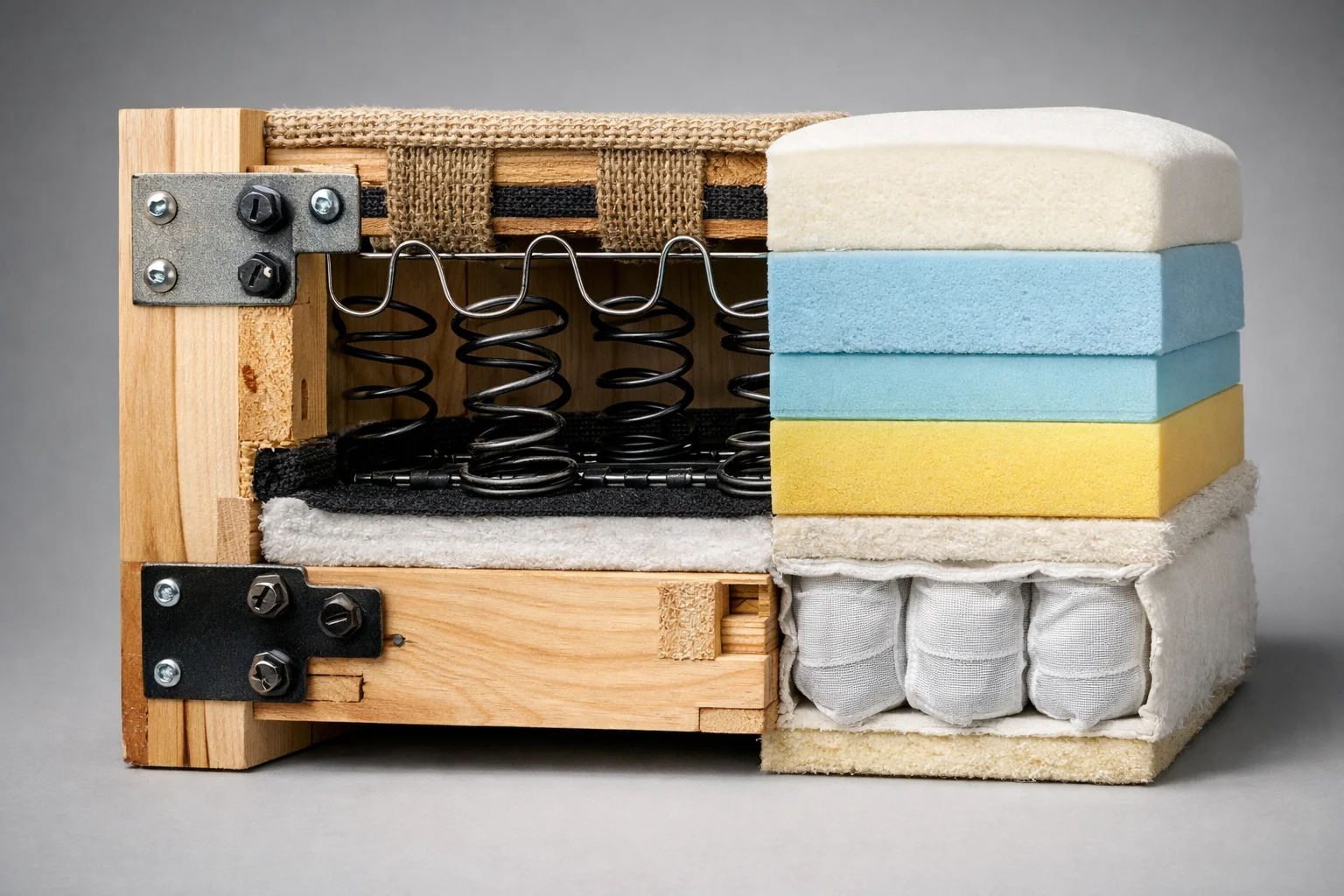
Why two sofas that look identical can behave completely differently. A deep examination of the internal components you cannot see that determine longevity.
Analyze Details →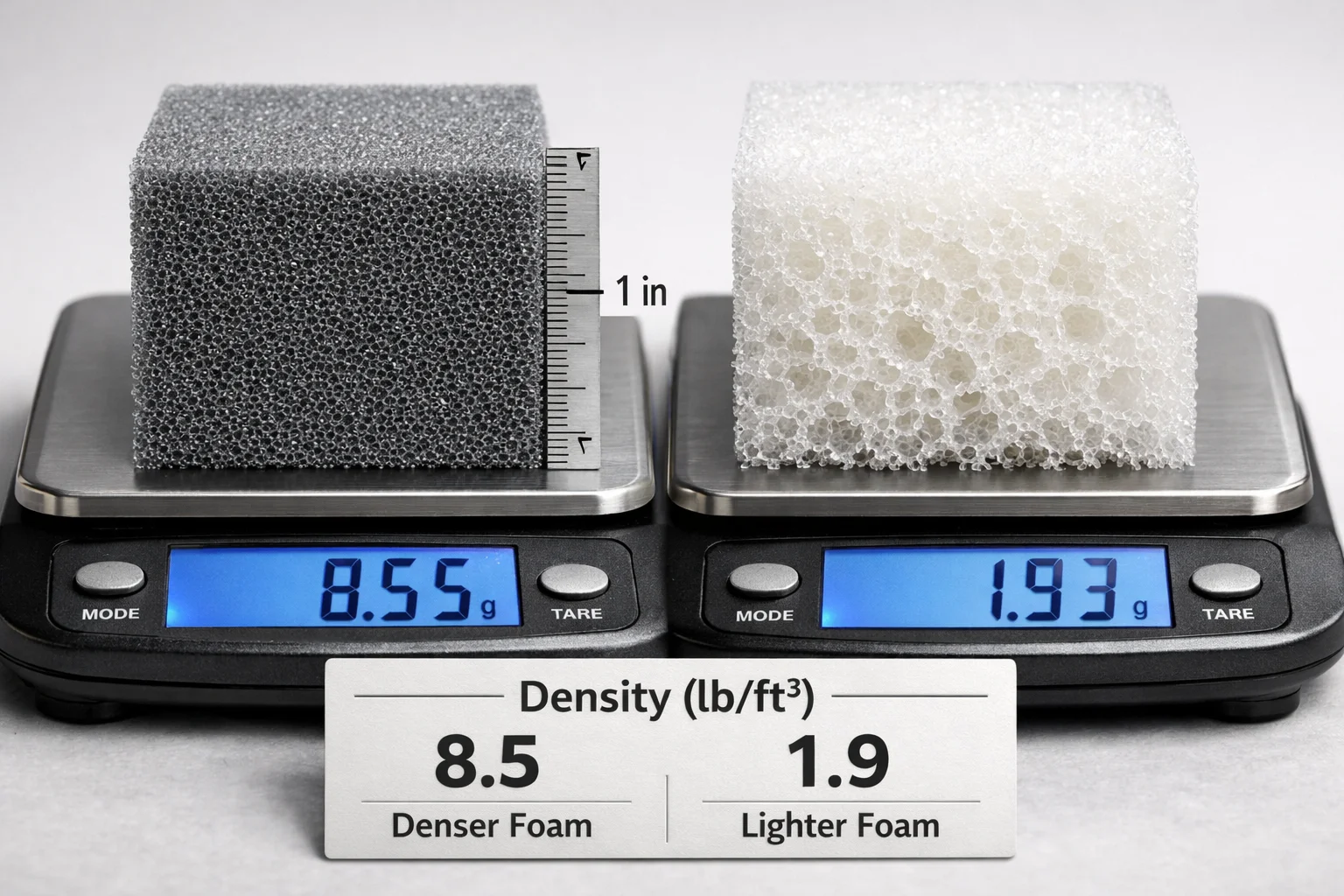
Understanding Foam Density: The Specification That Determines Cushion Longevity
Why density is the only foam specification that matters for cushion lifespan. Understanding pounds per cubic foot and why 1.8 is the minimum acceptable threshold.
Analyze Details →