Sofa Bed Mechanisms: The Engineering Generations
Introduction
Before you get pulled into fabric swatches and pillow talk, I want you to slow things down and decide what “good enough” sleep actually means for you. If this is for occasional guests who are light and not picky, you can accept a little firmness. If you or your guests are heavier, have back or hip issues, or will use it for more than a rare overnight, you need a mechanism that opens flat and stays flat under load, because a thin mattress cannot hide a bad frame.
When I’m in a showroom, I ask to see the bed opened all the way before I sit on the sofa. I do this because once you sit, you start thinking like a sofa shopper, and it is easy to forget you are buying a folding machine that someone is going to sleep on.
With the bed fully open, I stand at the side and visually trace the sleeping surface from head to foot. I am looking for a “smile” sag, a ridge at the center hinge, or any section that looks higher like a speed bump. If I can see it, you will feel it later, and it usually gets worse after a few months of use as joints loosen and the deck takes a set.
Then I do the pressure checks that salespeople almost never do. I press down hard with my palm along the center line, then I move side to side where shoulders and hips would land, and I pause anywhere my hand finds a narrow hard line. If my palm can map the bars and hinges through the mattress in a bright showroom, your guest’s spine will find them at 2 a.m.
After that, I actually lie on it, and I do it in the position a real person sleeps in, not the quick “sit and bounce” test people do on sofas. I take ten slow breaths and pay attention to whether my pelvis sinks lower than my ribs, whether my shoulder feels perched on a ridge, and whether I feel a hard crossbar right under the small of my back. If you are embarrassed to do this, I get it, but it is cheaper than learning the truth after delivery.
I also watch how it opens and closes, because that tells you a lot about what you are buying. A mechanism that binds, clunks into place, or needs a lot of yanking tends to have more stress concentrated in fewer joints. A smoother motion is not a guarantee of durability, but it is a good sign that the linkage is not fighting itself.
Finally, I ask one question that usually cuts through the marketing. I ask whether the store can identify the actual mechanism maker or model, not just the sofa brand, and whether replacement parts are available if something bends or a spring fails. If they cannot tell you anything beyond “it’s a standard sleeper,” I treat that as a warning sign, because the mechanism is the part that breaks first and the part you cannot easily replace like a cushion.
In the next section, I’m going to translate the main mechanism “generations” into what you can recognize with your eyes and hands in a store. You will not need to remember model names, you will just learn the tells, the typical failure feel, and the quick checks that keep you from paying for a pretty sofa that turns into a torture device at bedtime.
Generation 1: The Crossbar Cage (Pre-1990s)
The flaw is that the grid itself is too flimsy to stay flat under an adult body, so makers added a structural lumbar crossbar right through the middle to keep the whole thing from sagging.
The result is predictable. Because the mattress on these is usually very thin, your spine ends up making direct contact with that steel pipe, especially when you roll onto your back or your hip sinks a bit. This is where the classic “bar in the back” story comes from, and once you have felt it, you do not forget it.
In a showroom this is easy to identify if the salesperson will open the bed. I look for a single thick tube running side to side right around where your waist would be, and I run my palm firmly across the center of the bed. If I can trace a hard line with my hand, you will feel it with your body at 2 a.m.
If you are shopping secondhand and you cannot open it fully, I still assume the worst if the listing says “classic hide a bed,” “vintage sleeper,” or anything that hints at old school hardware. I also watch for the telltale weight and clunkiness when someone starts to pull it out, these older cages tend to feel like you are dragging a steel gate out of a sofa.
If you are tempted because the price is low, I would rather you buy a regular sofa and a simple folding guest mattress than take this mechanism home and hope a topper fixes it. A topper can soften pressure, but it cannot remove a rigid bar that is doing the structural work underneath you.
My verdict is to avoid these entirely, even if the upholstery looks great. For comfort, this design is fundamentally not fixable in a way that makes sense for a normal buyer, because the bar is not an accessory, it is the only thing keeping the bed from collapsing into a hammock.

What I want you to take from this generation is that the pain is not a “mattress problem,” it is a structure problem. If a salesperson tries to steer you toward a thicker mattress upgrade on a frame like this, I treat that as a distraction because the bar is still the bar, and your body still finds it.
When I am stuck evaluating one quickly, I focus on two moments: the middle of the bed and the first time weight hits it. I press down hard right where a belly button would be and then I put one knee there briefly, because that concentrated load is what makes the bar announce itself immediately.
If you are buying used and you can open it even partway, I look underneath with a phone flashlight and try to spot that big single tube spanning left to right. If I can see one obvious transverse pipe doing the heavy work, I do not negotiate, I leave, because I have never seen one of these become a sleeper you are happy to offer a guest.
If you already own one and you are trying to make it tolerable for a weekend, I would rather you change the plan than fight the mechanism. I have had better luck putting the sleeper away and laying a folding foam mattress on the floor than asking someone to sleep on a crossbar cage with layers of padding, because padding shifts and compresses and the bar stays exactly where it is.
One last practical tell that has saved me time is listening to the frame. These older cages often sound like a springy rattle when you run your hand across the deck, and they often feel like multiple little tension points when you start to pull them out, like the frame is reluctant and then suddenly gives. That reluctant, clunky motion usually goes with the same uncomfortable deck that needs the bar in the first place.
Generation 2: The Trampoline Deck (Mainstream Standard)
Most sleeper sofas you will see in normal furniture stores today use what I think of as the trampoline deck. You usually will not see the old grid of metal running under your whole body, instead the heavy structure gets pushed out toward the edges.
When the salesperson opens it, I want you to look at the sleeping surface itself, not the mattress label. What you are often looking at is a tight sheet of woven fabric stretched across the frame, with springs pulling that fabric from the perimeter, so the center is basically hanging in tension rather than sitting on bars.
This design is a real upgrade in one specific way. Because there is not a big steel crossbar under your waist, you are less likely to get that sharp “bar in the back” pressure point that defines the older generation.
The tradeoff is that it behaves like a literal trampoline. Your weight is carried by the tension of the fabric and the pull of the perimeter springs, so if those edge springs soften over time, the middle gradually starts to sit lower than the sides.
In real life, the failure I watch for is hammocking. It is when the center of the bed develops a dip and your body slowly rolls into it, which can make you feel like you are sleeping in a shallow trough.
In the showroom, I try to catch early signs of that dip before I buy. I stand at the side and sight down the bed like I am checking a board for warping, and I look for a subtle sag line down the center even with nobody on it.
Then I do a simple push test near the edge and then in the middle. If the center drops dramatically more than the areas a foot or so in from the sides, that tells me the support is already uneven, and uneven is what gets amplified after a few years of guests and gravity.
I also pay attention to the perimeter itself because that is where the work is being done. I kneel and look under the edge of the deck and I check whether the springs look plentiful and evenly spaced, or whether they look sparse, stretched, or slightly tilted, which can hint at a cheaper build.
If you can, actually lie on it on your back and then on your side, and stay there long enough for the fabric to settle. On a trampoline style deck, the first ten seconds can feel fine and then you slowly sink, and that delayed sink is exactly what bothers people overnight.
If the model you like feels a little soft in the center but otherwise checks out, I treat that as a negotiation point, not a deal breaker. I ask what the warranty covers specifically for the sleeper mechanism and the deck, because a fabric and spring system is only as good as its long term tension, and vague warranties tend to become “normal wear” the moment you complain.
My bottom line is that the trampoline deck is the mainstream standard for a reason. It usually avoids the obvious torture bar, but you still have to screen for early sag and you have to be honest about your use case, because a sleeper that gets used often will reveal perimeter spring fatigue much faster than one that only gets opened twice a year.
Generation 3: The Solid Platform (Luxury High-End)
This is the first sleeper mechanism I have tried where I stopped thinking “sofa bed” and started thinking “platform bed that happens to fold.” People will sometimes call it the American Leather style, but what matters for you is the basic idea, it eliminates the spring deck and the hanging fabric entirely.
When the salesperson opens it, you should see a series of solid panels, often about an inch thick, flipping out in sequence from inside the sofa. Those panels are commonly birch plywood that has been upholstered, so instead of a trampoline feel you are looking at a rigid, continuous deck.
The practical win is that you are sleeping on something flat and solid, so the support is not coming from edge springs or tensioned fabric that can slowly relax. When I do my hand test on these, I usually do not find that narrow hard line in the middle, because there is no bar or hinge telegraphing through a stretched span of fabric.
This is also why these can feel surprisingly mattress like even when the foam looks thinner than you expect. On a solid deck, thinner foam can still work if it is dense enough, because it is not being asked to bridge gaps or hide metal geometry underneath you.
In the showroom, I start by standing at the foot and looking across the surface where the panels meet, because the whole promise of this design is that it forms one level plane. If I can see a ridge where two panels meet, or I see one panel sitting slightly proud of the next, I assume I will feel that seam at night.
Then I press down directly on the seams between panels and compare it to pressing a few inches away on the panel itself. On a good build, the seam area should not click, shift, or feel looser than the rest of the deck, and it should rebound the same way when I take my hand off.
If you have time, I also like to do a slow roll test with my body. I lie down and roll across the seams on my side, because that is the position where a tiny ridge becomes a real annoyance, and it is also where a slightly misaligned panel will announce itself as a bump under the shoulder or hip.
There is a downside you should take seriously, and it has nothing to do with comfort. These are the most complicated to fold, because the panels and hinges have to move in a specific sequence and the mechanism depends on everything staying aligned.
Because of that, I never force one of these, even in a showroom. If it catches, I stop pulling and I ask the salesperson to show me the correct motion, because if a hinge gets bent from someone yanking on it, the whole thing can start to jam and then it becomes the sleeper you cannot close when you have guests standing there.
I also watch the salesperson close it and I pay attention to whether it feels smooth and guided, or crunchy and fighty. Smooth is what you want, because it suggests the folding logic is still true and the panels are not racking sideways as they stack.
If you are considering one of these, I ask a very specific question that is hard to answer with fluff. I ask what the warranty covers on the sleeper mechanism itself, and whether it is parts only or parts and labor, because when something goes out of alignment this is usually not a simple DIY fix.
My personal take is that this generation is what you buy when you actually want people to sleep well and you want the bed to stay structurally honest for years. You just have to treat the mechanism like a precision device, because it is one, and your best protection is making sure it opens and closes cleanly in the store every single time you try it.
Diagram and Comparison
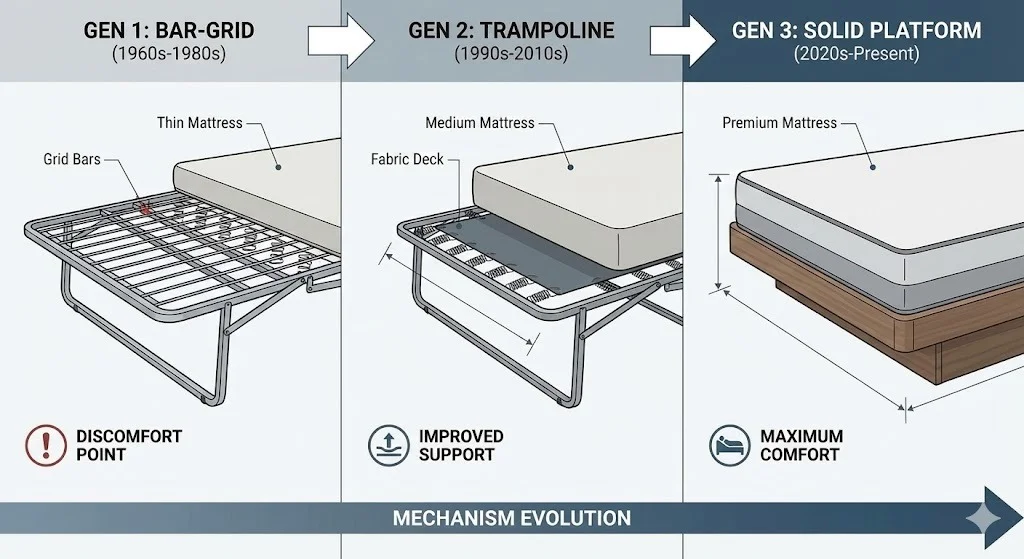
When I look at that evolution, I translate it into one simple shopping question you can answer in a showroom. Is your body going to be supported by a hanging surface that can lose tension, or by a solid surface that stays flat unless something actually breaks.
If you are deciding between a Gen 2 trampoline deck and a Gen 3 solid platform, I would stop thinking about which one feels softer for the first minute. I would start thinking about which one will feel the same after a few years of being opened, slept on, and closed again, because that is where most sleeper sofas disappoint people.
Here is how I compare them in a way you can actually do on the floor. On a trampoline deck, I press down hard in the dead center with my palm and I watch the perimeter, because if the edge springs and anchors are doing all the work, you will often see or feel the frame react around the border. On a solid platform, I press in the center and then on a seam, and what I want is boring consistency, meaning the surface should feel equally supported everywhere instead of acting like a loose lid near the joints.
If you are trying to justify the jump in price, I think the fairest comparison is to ignore the fabric and look at what you are buying mechanically. Gen 2 is usually fine for occasional overnight guests, especially if you confirm it is level and not already dipping. Gen 3 is what I personally want if the sleeper will get real use, because you are not depending on tension staying perfect to keep your spine level.
One more comparison I make is noise and “truthfulness” when it moves. When a trampoline style mechanism is getting tired, it often starts to feel bouncy and a little vague, like it has slack. When a platform mechanism is getting tired, it often starts to feel misaligned or clicky at specific hinges, which is why I put so much weight on smooth opening and closing in the store.
If you only remember one hands on test from this whole section, I would make it this. I try to create the kind of load that exposes weakness without needing tools, so I push down hard with my palm, then I put my knee down gently for a second in the center, then I shift that knee a few inches toward where a hip would be. On Gen 2, the center drop and the way the edges react tells you almost everything. On Gen 3, the way the seams behave tells you almost everything.
I also use a simple “roll and listen” check because your ears catch what your eyes miss. I lie on my side and slowly roll across the surface, and I pay attention to whether the support changes suddenly, or whether I hear a ping, a creak, or a click right at a hinge line. A tiny sound in a quiet showroom often becomes an every night noise at home, especially after the frame has been cycled a few dozen times.
The other thing I watch is how honest the bed is about being flat. With Gen 2, it is common for the bed to look flat until you put weight in the middle, then it forms a shallow bowl. With Gen 3, it is more common for it to feel flat under your torso but show you a ridge at a panel join, so I make myself spend time with my shoulder and hip crossing that exact join.
If you are stuck choosing between two models that both feel decent in the store, I push you to choose the one that is less dependent on perfect tension and perfect adjustment. In my experience, trampoline decks rely on everything around the border staying springy and evenly loaded, which is not how furniture tends to age in real homes. Platform decks rely on alignment and hinge integrity, so the question becomes whether the mechanism feels like it is moving on rails, or whether it feels like it is already fighting itself.
When I talk about “doubling the life,” I am not promising that a Gen 3 cannot fail. I am saying that the usual everyday failure mode on Gen 2 is gradual sag that you cannot really un sag, while the usual everyday failure mode on Gen 3 is a specific joint or alignment issue that tends to announce itself early if you cycle it a few times in the showroom.
So if you want a practical rule that keeps you from getting talked into the wrong thing, here is mine in plain language. If this sleeper will be used more than occasionally, I would rather you buy fewer style upgrades and spend that money on the platform mechanism, because feeling okay on day one is not the hard part. The hard part is still feeling okay after years of real use, and the mechanism generation is what decides that more than the mattress label ever will.
The “Scissor Link” Safety Check
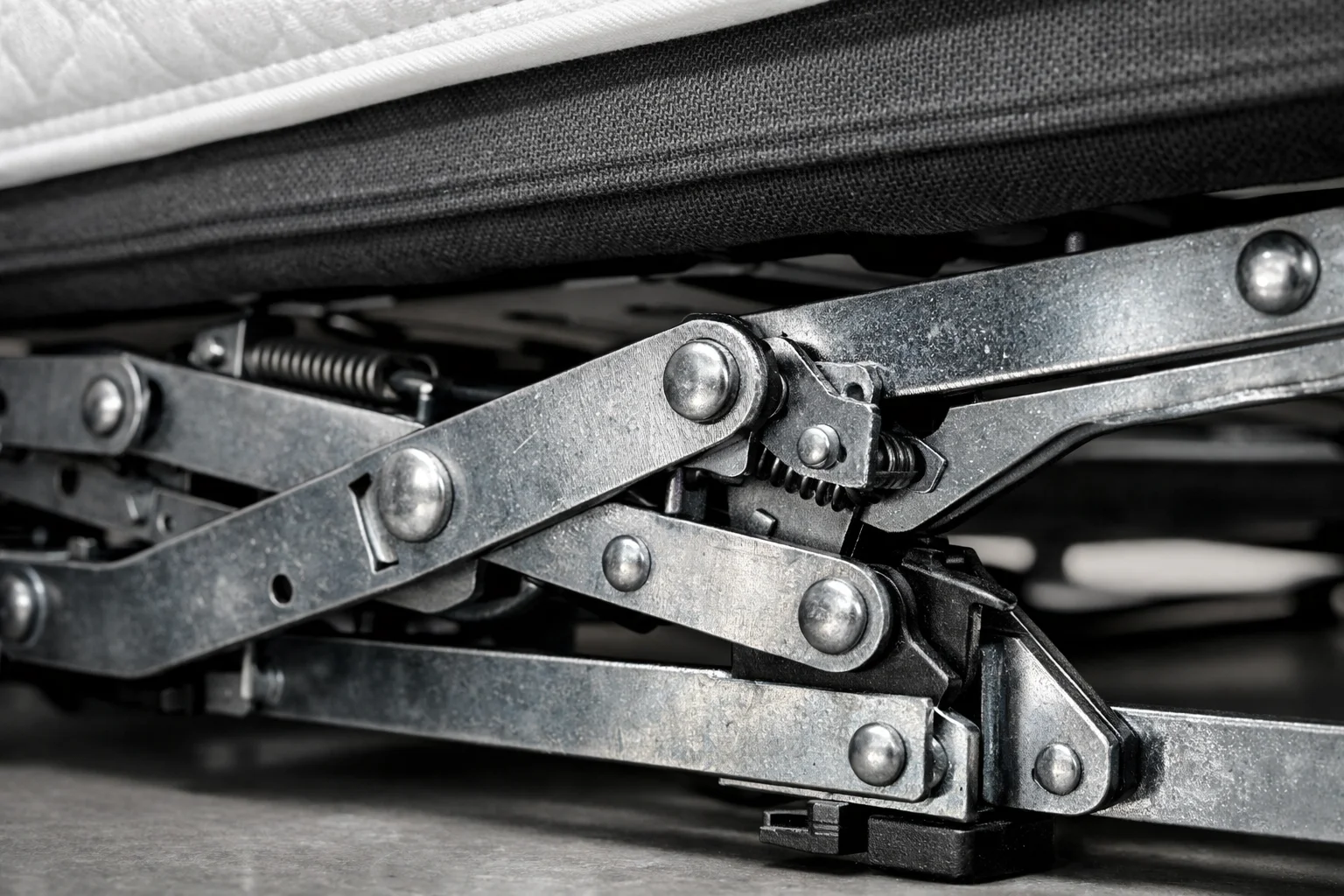
When I do this in a store, I am not being picky, I am trying to keep you from buying a sleeper that is unsafe for hands and doomed at the joints. Those scissor links are the moving elbows of the whole bed, and they are exactly where cheap hardware gets sharp, sloppy, and loud first.
I like to pause the bed halfway out and just hold still for a second. In that position you can actually see the scissors working, and you can see whether the mechanism has any kind of guard that blocks casual finger access, or whether it is just exposed steel blades doing their thing right where a kid, a guest, or you while wrestling sheets could get pinched.
Then I bring my face closer and look at the pivot points, especially the rivets and the holes around them. If I see grey powder, metallic glitter, or a dirty smudge pattern that looks like something is being shaved off every time it moves, I assume the joint is wearing itself larger, and that slack becomes the wobble you feel later as a bed that no longer tracks straight.
If you are not sure what you are seeing, use the simplest real world test I know. I lightly wiggle the frame near a joint while it is half open, not yanking, just a gentle side to side coax, and I see whether the movement is tight and single direction, or whether it feels like a loose shopping cart wheel at the hinge.
If the salesperson looks nervous when you look at these areas, I take that seriously. A confident store will let you look, because pinch protection and clean pivots are not cosmetic, they are basic design competence.
If you already own the sleeper and you are hearing new squeaks or feeling new roughness, I would rather you do small, realistic maintenance than ignore it until it bends something. One drop of a PTFE lubricant at each pivot about once a year has been the best return on effort for me, and I always open and close the bed a few times right after so it spreads instead of sitting in one spot.
If the store will let you, I also like to do one last real world check right after the mechanism test. I sit on the sofa like a normal person, then I get up and open it, because some sleepers feel fine empty but bind when the seat cushions have been compressed and shifted, and that is closer to how you will actually use it at home.
If anything about the movement feels sketchy, I treat that as information, not nerves. A sleeper is a machine hiding inside your sofa, and if the machine already looks unprotected at the hinges or already sheds metal dust on the showroom floor, it is not going to get nicer after you pay for it and start living with it.
Mechanism Comparison: Technical Specs
Max user weight matters because sleeper sofas rarely fail on night one, they fail after repeated opening cycles plus real adult weight. When I see an older crossbar cage style rated around 200 pounds, I assume it is living close to its limits anytime a normal adult sleeps on it, and that is when you get bent bars or snapped small springs that you cannot realistically service. When I see a trampoline deck around 350 pounds, I read it as “usually fine for occasional guests,” but still not something I would buy for a small apartment where it is going to be used like a real bed every week. When I see a solid platform rated 500 pounds or more, that is the first time I feel like the mechanism has real headroom, meaning it can be used hard without immediately drifting out of true.
Support type is the spec you can actually verify with your eyes. A static steel bar system is the old cage feel, and if you can see lots of metal spanning the sleeping surface, I assume you will feel it eventually. A dynamic fabric tension system is the trampoline, and the right way I judge it in the store is not how it feels for ten seconds, it is whether the center sits lower than the edges before you even lie down. A rigid deck is the solid platform, and the thing I care about is whether the panels land flush and stay flush when you press on the seams.
The “common failure” line is where you can protect yourself by matching the risk to your tolerance. With the crossbar cage, the failure tends to be sudden and nasty, meaning a spring snaps or a bar bends and now you have a new pressure point that no topper truly fixes. With the trampoline deck, failure is slow and sneaky, meaning the fabric and edge springs fatigue and you get sag that creeps up on you until guests start complaining, and at that point you are usually outside any comfort related warranty. With the solid platform, failure is more like a machine problem, meaning a hinge can start to bind or jam, which is why I am stubborn about opening and closing it multiple times in the showroom and refusing to buy one that feels even slightly misaligned.
Sleep quality is the most honest spec on the whole chart, but only if you tie it to your real use. “Poor” on the crossbar cage is the bar problem, pressure points, and that stiff uneven plane that makes people wake up. “Medium” on the trampoline deck is exactly how I describe it when it is new, it can feel pleasantly forgiving, but it can also feel bouncy and a little unstable if you are a side sleeper or if two people are sharing it. “High” on the solid platform tracks with my experience, because firm and stable is what makes a thin mattress feel acceptable instead of punishing.
Maintenance is where I want you to be realistic about yourself. When a chart says the old cage is basically “none,” what it really means in practice is “nothing you can do that matters,” because you cannot tension it back into shape or meaningfully replace the support elements without turning it into a project. When the trampoline deck mentions seasonal tension checks, I translate that into you occasionally opening it and doing the sight line test again, because once you start seeing a center dip, that is your early warning. When the solid platform mentions pivot lubrication, that is the rare case where a tiny habit can actually slow wear, but only if the mechanism already moves smoothly and you are just trying to keep it that way.
If you are standing in a showroom trying to decide fast, this is how I boil the whole table down. If your guests are light and the sleeper will be used a few times a year, a good trampoline deck can be a sensible buy if it is level and the perimeter springs look robust. If this is going to be a real bed for a real adult, I personally stop debating and start looking for a solid platform, because the spec differences are really just the paper version of what you already felt with your hands. Tension systems change with time, rigid decks mostly do not unless something actually breaks.
When a salesperson cannot or will not give you those specs, I treat that as a signal that you need to slow down and look harder at what is physically in front of you. If they only talk about mattress thickness, gel foam, or “hotel quality,” I bring it back to the mechanism because the mechanism is what decides whether the bed stays flat.
If you want one practical way to use weight ratings without getting lost, I compare the rating to the heaviest real person who will actually sleep there, then I mentally add a little for reality. I have watched too many “rated fine” sleepers go soft or twist because the rating was tested in a lab, but your home adds off center sitting, kids jumping, and years of opening and closing.
In the store, I also ask how the rating is defined, because some brands quietly mean “maximum occupant weight for short duration,” not “this will be comfortable and level for years.” If they cannot tell you whether it is per person, per side, or total, I assume the number is more sales tool than engineering promise, and I fall back to the physical checks you can do with your hands.
Support type is where you can catch a bad purchase in thirty seconds. If I see a big run of metal under the mattress, I do not let myself get talked into “you will never feel it,” I press down until I do. If I see a trampoline fabric deck, I do the sight line test before anyone lies on it, because a center sag that shows up unloaded is basically the mechanism telling you it is already tired.
If it is a solid platform, my main fear is not sag, it is a seam you will hate or a mechanism that is already slightly out of track. I push down on each panel joint and I listen for a click, because a click is often the first hint that something is shifting instead of landing solidly.
Common failure should change what you ask for in writing. With a trampoline deck, I care whether sagging support counts as a mechanism defect or gets dismissed as “normal softening,” because that is the exact line that ruins the sleeper gradually while the paperwork stays clean. With a platform mechanism, I care whether the warranty is parts only or parts and labor, because a jammed or misaligned hinge is not a $20 fix if the sofa has to be partially disassembled to get to it.
If you are trying to choose quickly between two decent options, I use a simple tie breaker. I pick the mechanism that fails in a way I can live with, and I avoid the one that fails in a way that creates a sharp pressure point or a bed I cannot close. For me, a little firmness is fine, but a ridge, a dip you roll into, or a mechanism that starts to bind is the kind of problem that turns a “guest bed” into an argument with your own furniture.
The last thing I do before I stop thinking and start negotiating price is one more full cycle. I open it, close it, then open it again, because the second open is where a slightly twisted linkage often shows itself, and that is when I decide whether the specs are actually backed up by how the machine behaves in real life.
Explore Technical Reference
Lightweight Sofas: Engineering for Portability
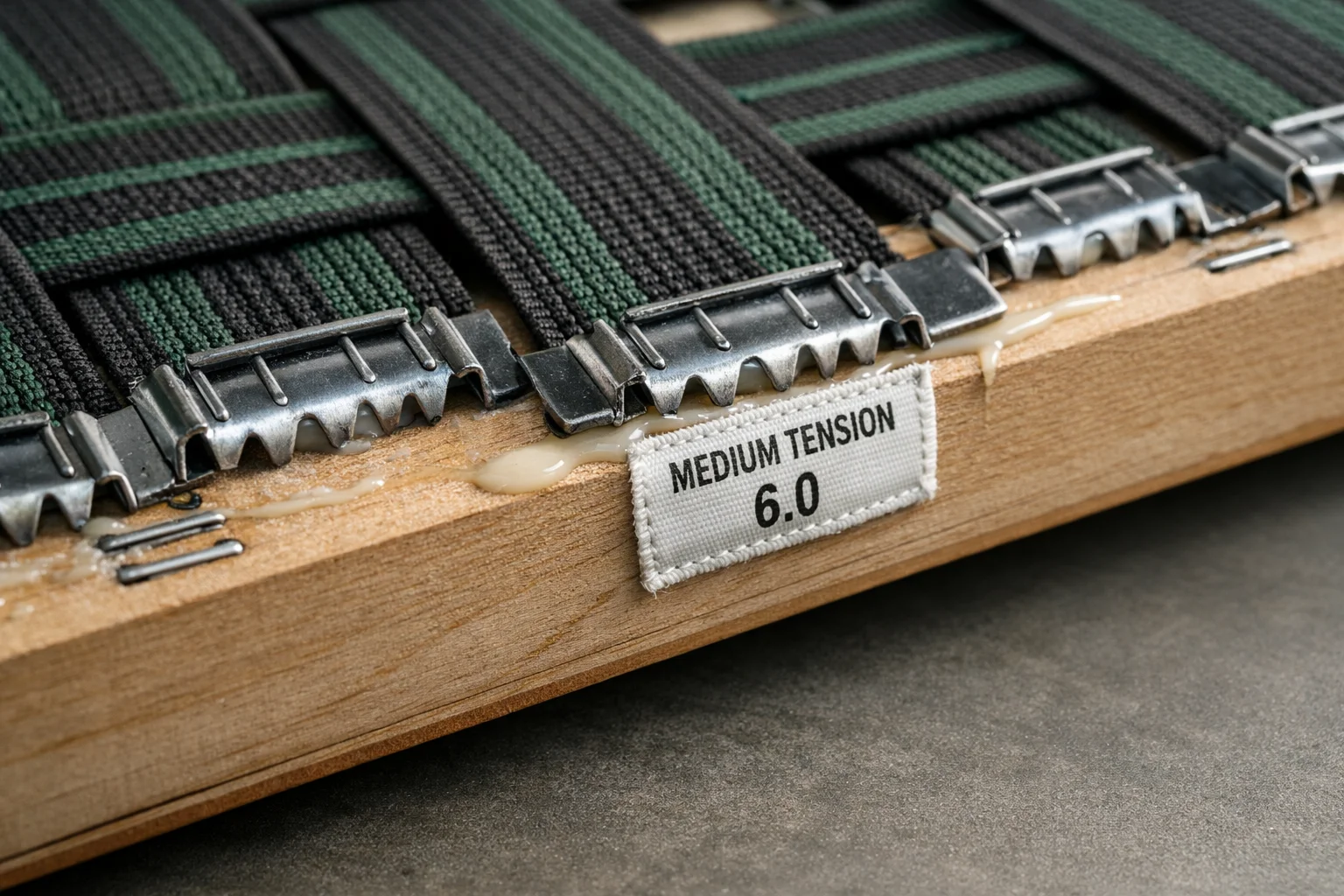
Why sofas designed for easy moving sacrifice durability in predictable ways. Understanding what a lighter frame actually means for longevity.
Analyze Details →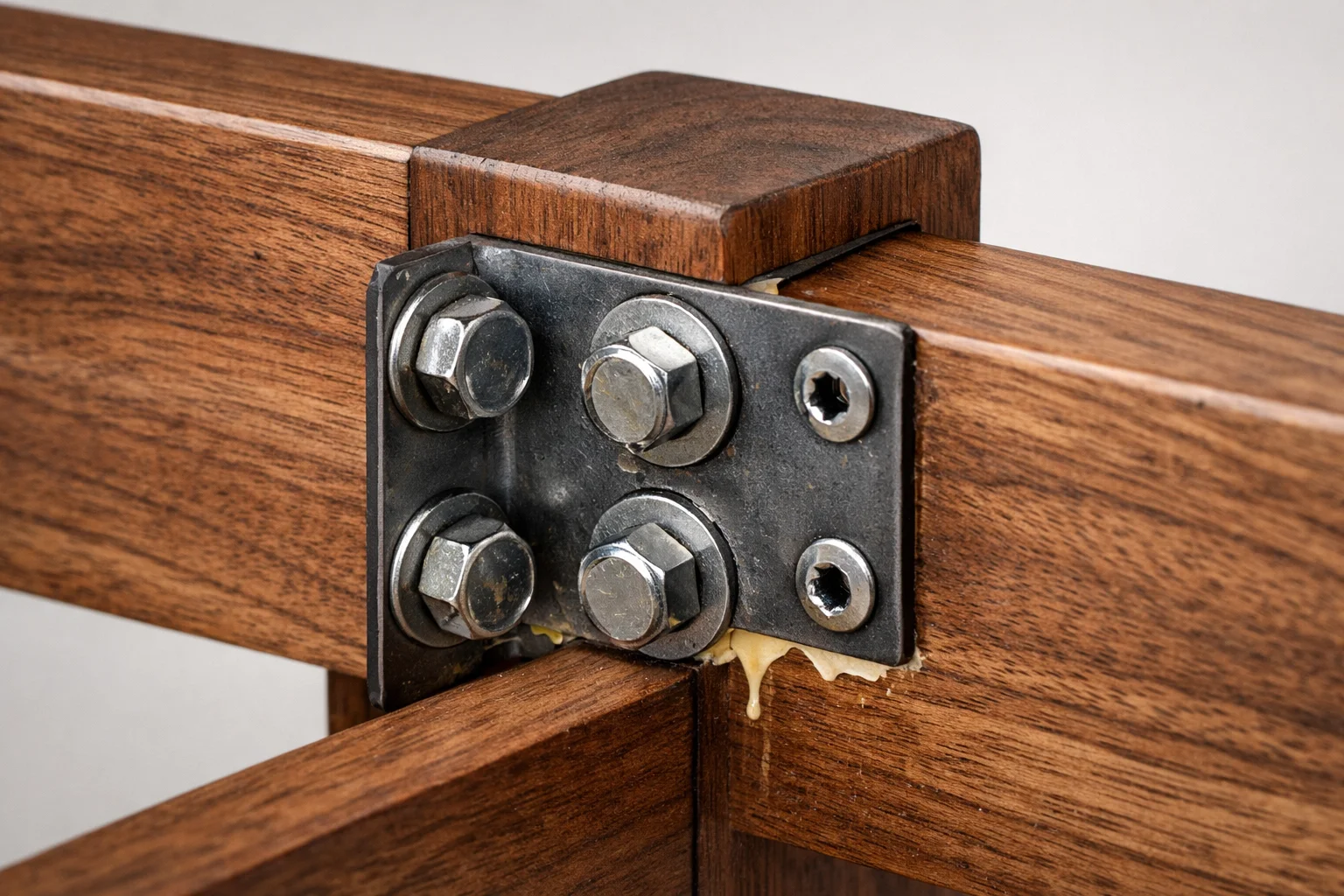
The Daybed: Engineering the Hybrid
A technical breakdown of the daybed category. Why it uses standard twin mattresses and the engineering challenges of seating depth.
Analyze Details →