The Daybed: Engineering the Hybrid
Introduction
I learned the hard way that a daybed is not a sofa that happens to fit a mattress. It is a bed frame wearing sofa clothes, and that difference matters the moment you start sitting on it every day.
When you see a daybed in a showroom, I want you to mentally shift how you judge it. Comfort, durability, and value all come from bed construction choices, not sofa construction choices. If you expect it to behave like a couch, you are setting yourself up for sagging, creaking, and disappointment.
The three sided enclosure is there to keep pillows in place and make the bed look finished, not to support your weight like a real sofa back or arms. Once I understood that, I stopped blaming cushions and fabric and started paying attention to the frame, the mattress support, and how the arms are actually attached.
This guide is about helping you decide whether a daybed fits how you really plan to use it. If you want something to sit on daily, nap on occasionally, or host overnight guests without falling apart, you need to evaluate it like a bed first and a sofa second.
The "Depth Trap"
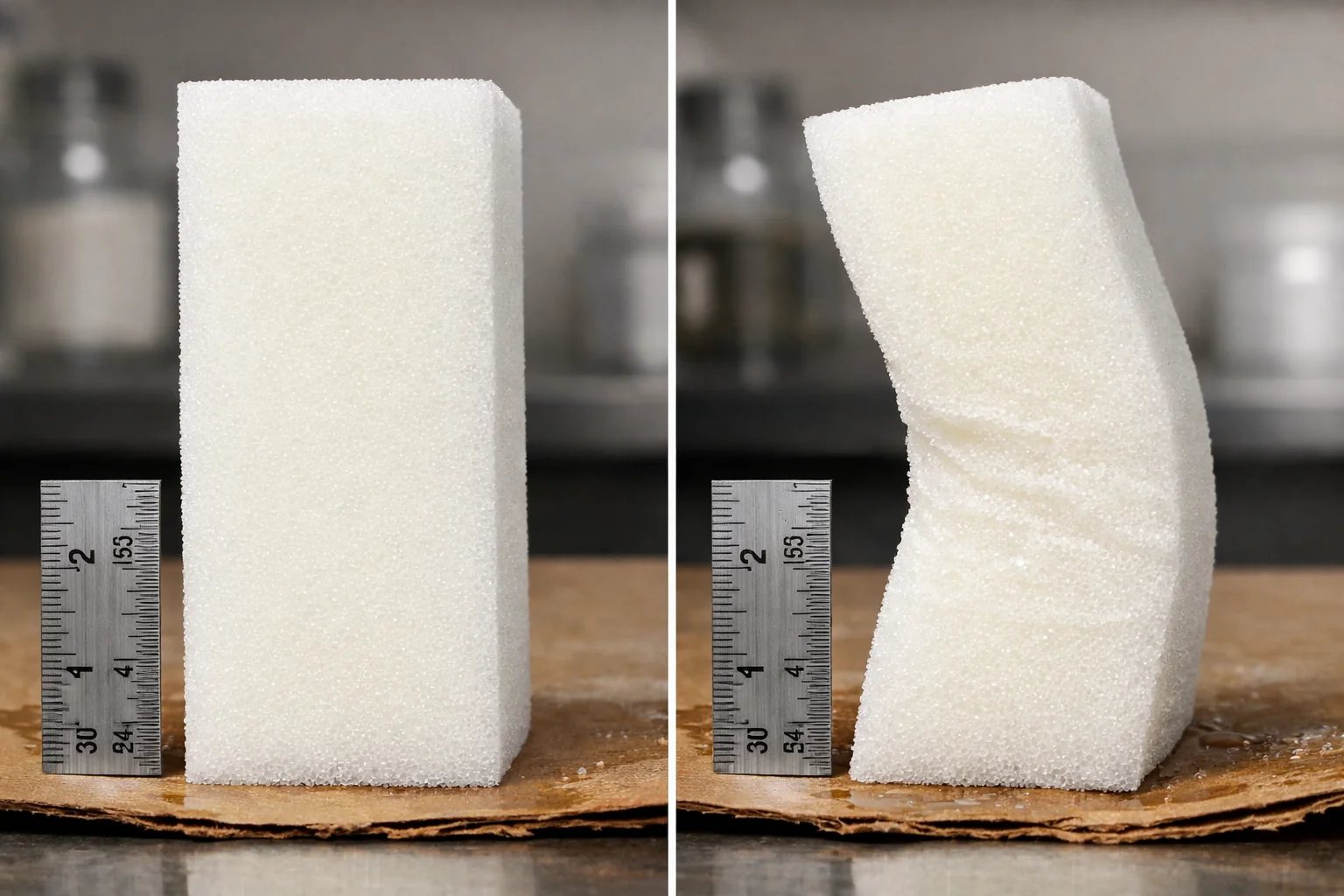
A standard sofa seat is about twenty two to twenty four inches deep, while a twin mattress is roughly thirty eight to thirty nine inches wide. The problem shows up the moment you sit down. Without correction, your feet will not reach the floor and you end up perching on the edge or slouching into a lounging position that feels awkward for everyday use.The only practical fix is to reclaim depth at the back. In real life that means using about twelve to fifteen inches of firm bolster pillows to reduce the effective seat depth to something your body actually recognizes as comfortable.
The Modular Architecture
Once you look past the upholstery, a daybed reveals itself as a set of separate structural parts rather than a single integrated piece like a sofa bed. I always remind myself that this modular setup is both the risk and the opportunity.
The back rail is the long horizontal piece running behind you, and its job is stability, not comfort. In a showroom, I press my lower back into it and listen. If it flexes or creaks, that movement will only get worse once a mattress and daily sitting are involved. A solid back rail should feel boring and dead, not springy.
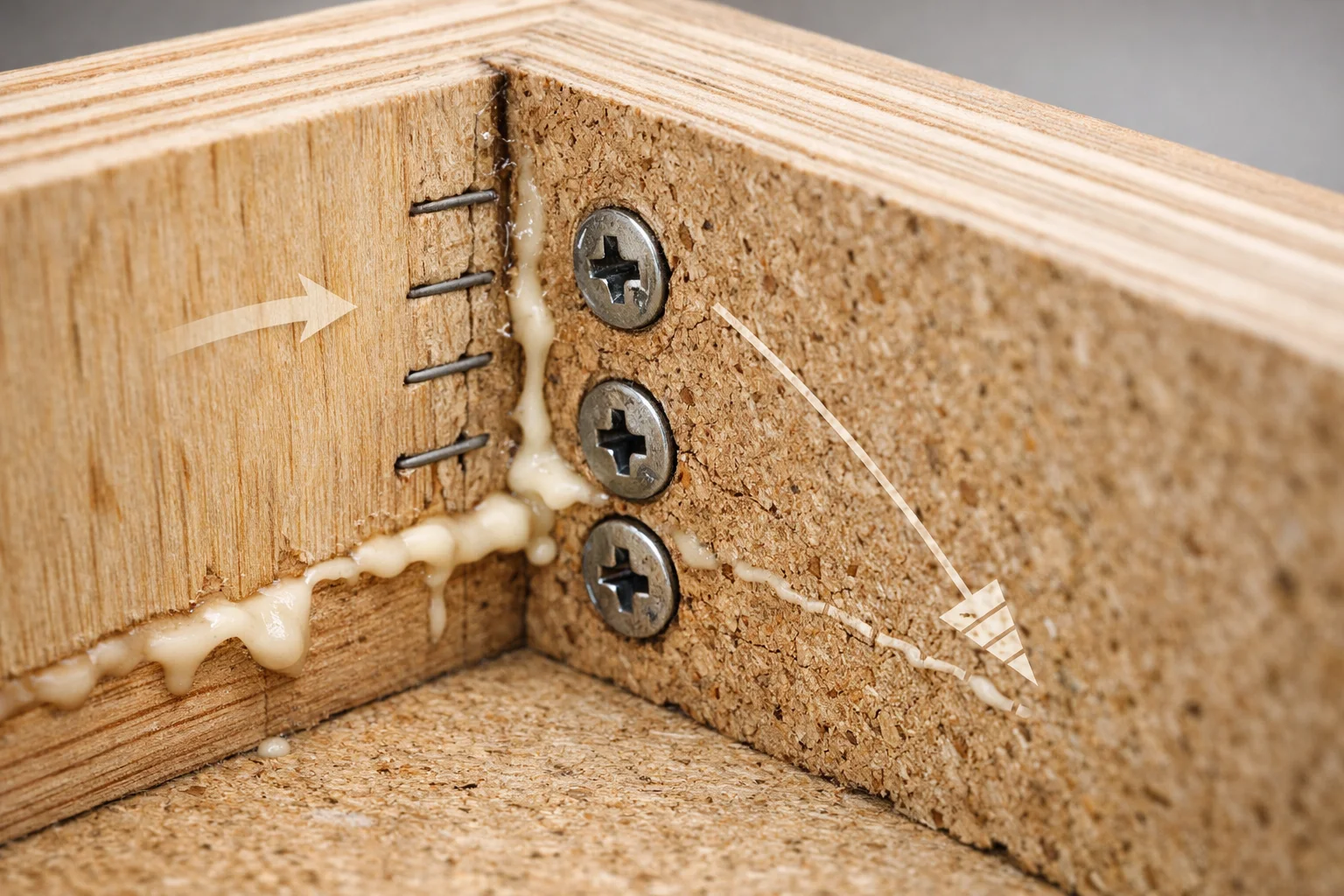
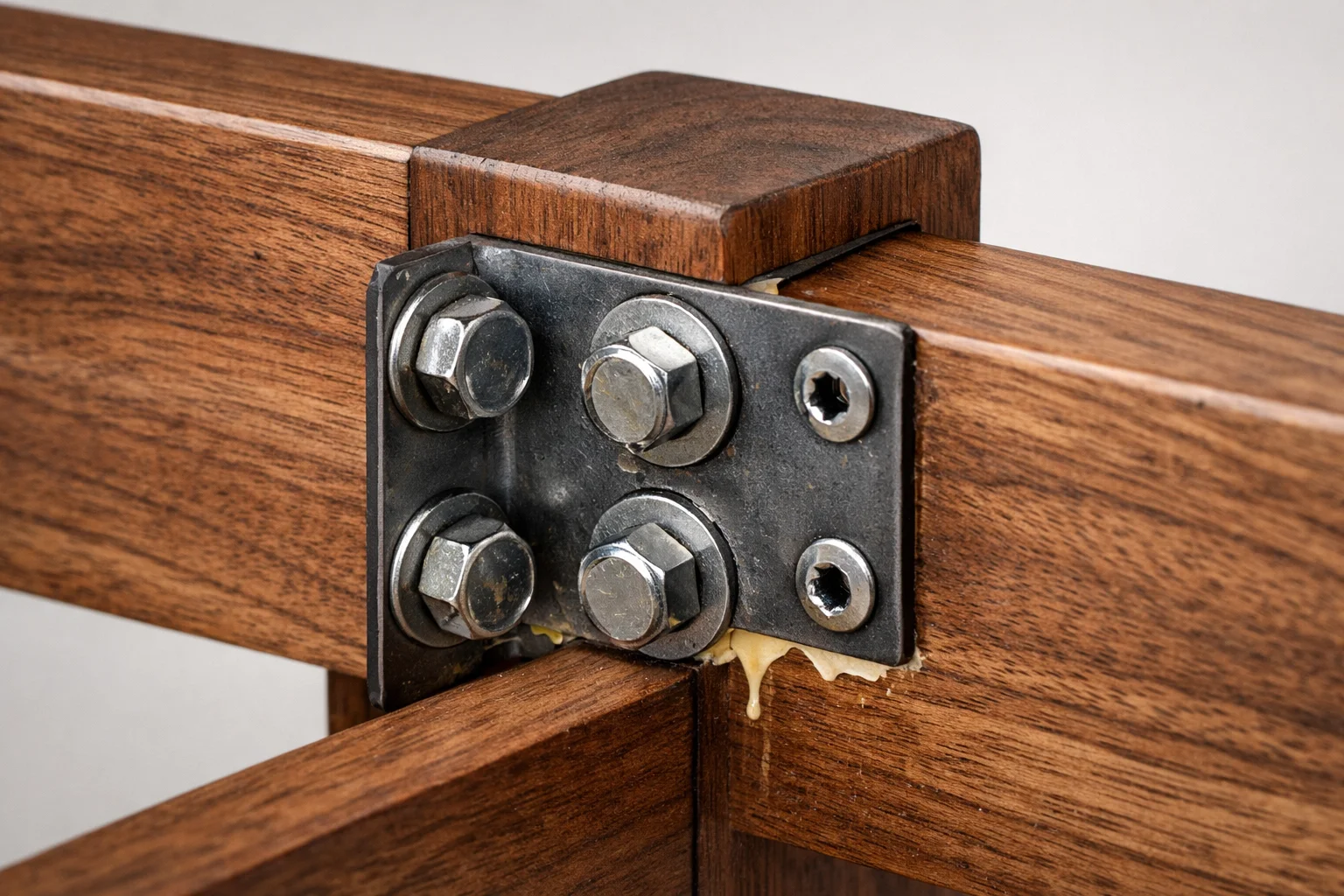
The side rails act as the arms and also define the head and foot of the bed. I check how they meet the back rail, because this joint takes a surprising amount of stress when people lean, push, or use the arm to stand up. If the connection relies on a couple of small bolts or decorative brackets, I assume it will loosen over time.
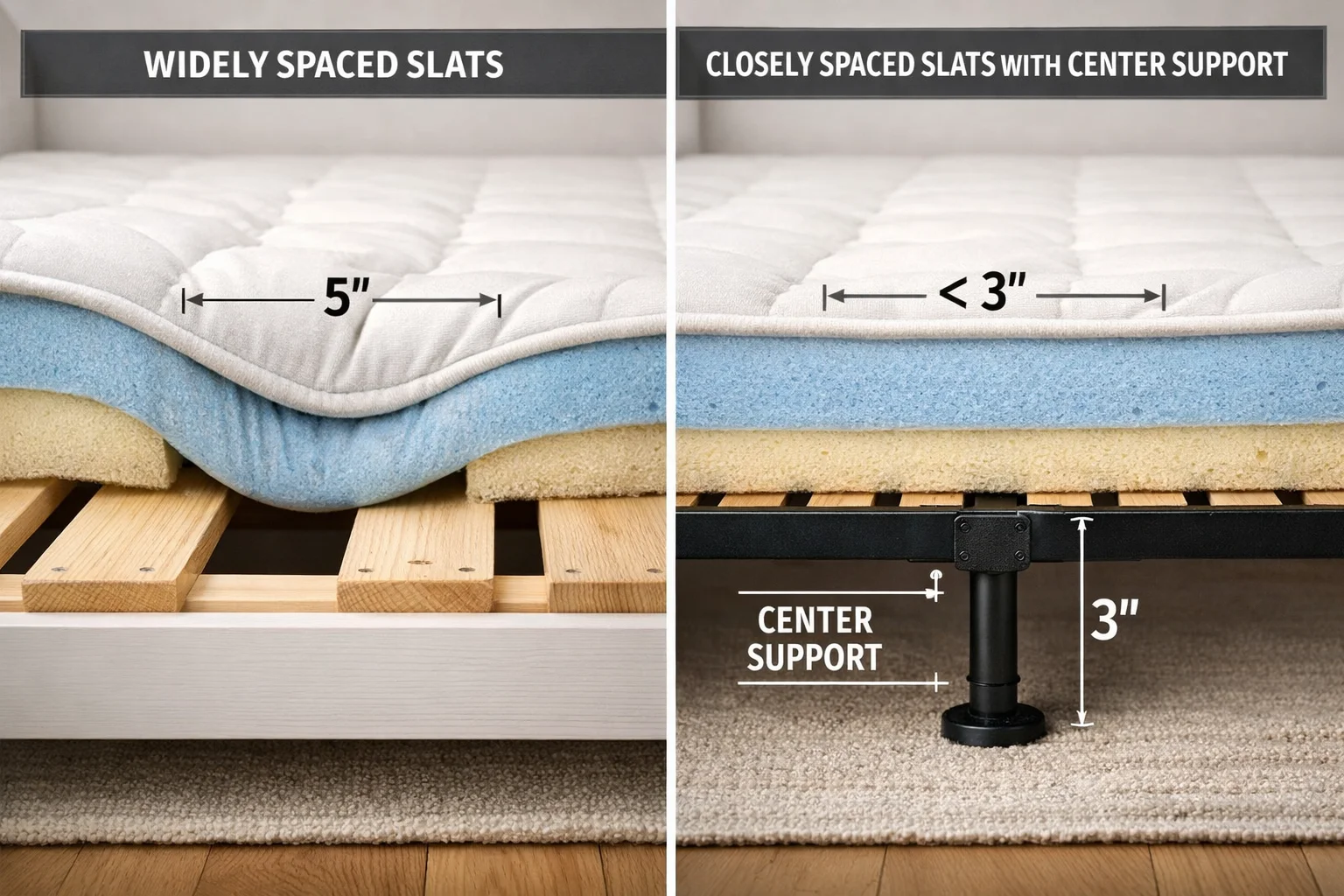
The support system underneath the mattress is where most long term failures start. Many daybeds use wooden slats, others use a flat bunkie board, and both can work if done properly. What I look for is spacing. If the gaps between slats are more than about three inches, foam mattresses will sag into those spaces, wear unevenly, and feel lumpy within a year or two.
In the showroom, I actually kneel on the mattress and spread my weight with my hands. If I can feel individual slats through the mattress, I know the support is marginal. A bunkie board or closely spaced slats should feel uniform, almost like a solid platform.
This modular thinking changes how you shop. Instead of asking whether the daybed looks comfortable, I ask whether each structural part is doing the job it is supposed to do. When all three elements feel solid on their own, the whole piece has a chance of surviving real daily use.
Mattress Selection: The Freedom Factor
This is where a daybed quietly beats most sofas if you use it correctly. Because it takes a standard twin mattress, you are not locked into whatever thin, glued in cushion the manufacturer decided was good enough.
In a showroom, I always confirm that the sleep surface really is a true twin size, about thirty eight by seventy five inches. If a salesperson starts talking about proprietary sizing or custom thickness limits, I treat that as a warning sign. Standard sizing is your escape hatch later.
What this freedom means for you is choice. You can use a decent memory foam, latex, or hybrid mattress instead of a foam slab designed to look good for ten minutes on a sales floor. I have found that a mattress that feels slightly too firm when lying flat usually works better once you add back cushions and start sitting upright.
Thickness matters more than softness here. I aim for something in the eight to ten inch range, because thinner mattresses bottom out when you sit and thicker ones raise the seat height until your feet dangle. In the showroom, I sit on the edge and check whether my feet plant naturally on the floor without effort.
Replacement is the hidden long term value. When a sofa cushion collapses, the whole piece is effectively disposable. With a daybed, when the mattress wears out, you just replace the mattress and keep the frame. That alone can double the useful life of the furniture if the frame is solid.
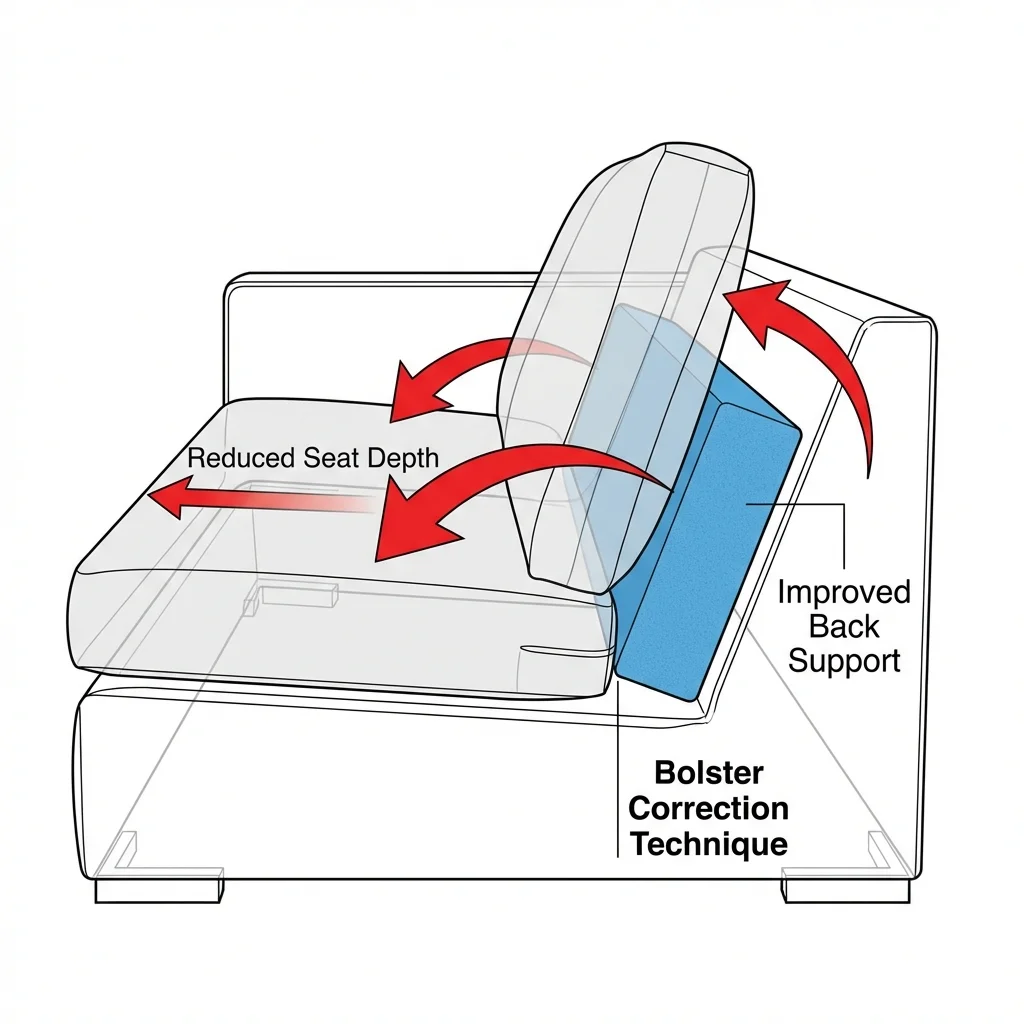
The image above shows the reality most showrooms gloss over. A bare twin mattress is far too deep to function as a normal seat, and no mattress choice fixes that by itself.
I plan for this before I buy. I assume I will need firm bolster pillows or a thick back cushion system that eats up about twelve to fifteen inches of depth. If the daybed is displayed with skinny throw pillows and feels awkward to sit on, I do not blame the mattress. I mentally add the cost and space of proper bolsters and decide if I still like the piece.
When testing mattresses in a daybed, I ignore how it feels lying flat for a moment and focus on edge support. I sit down hard, shift my weight, and notice whether the mattress collapses sideways or holds its shape. Weak edges make daily sitting feel unstable and accelerate wear.
The freedom factor only works if you use it deliberately. A daybed gives you the rare chance to separate furniture from cushioning, but that also means you are responsible for choosing a mattress that supports sitting as much as sleeping. When you get that balance right, the daybed stops feeling like a compromise and starts feeling like a smart, flexible piece that ages far better than most sofas ever will.
The Trundle Expansion (Double loading)
This is where daybeds quietly get complicated, because adding a trundle means you are asking the frame to handle two bodies instead of one. I have learned to treat this as a structural stress test, not a bonus feature.
A basic pull out trundle is simply a second bed on wheels that lives underneath the main one. In the showroom, I pull it all the way out and then push it back in myself. If it binds, scrapes, or needs a shove to line up, that friction will only get worse once dust, carpet, and weight are involved.
I also look at how low it sits. Many trundles ride very close to the floor, which limits mattress thickness and airflow. If the salesperson says it only works with a thin foam mattress, I assume comfort is already compromised for whoever sleeps there.
Pop up trundles look more impressive, because they lift the second mattress up to the same height and promise a king sized surface. What I watch is the lifting mechanism itself. I raise it slowly and listen for grinding or uneven movement, because that scissor action is doing real work every time it is used.
Once it is raised, I press down with my hands near the center seam where the two beds meet. If one side dips or feels softer, that gap will be obvious when someone actually sleeps on it. A good pop up should feel boringly flat across both frames.
The hidden issue with double loading is weight transfer. When two adults sit or sleep on a combined surface, the stress moves outward into the side rails and joints. I lean hard against the arms with the trundle extended, because that is when cheap connections start to complain.
Storage daybeds with trundles also sacrifice clearance. I measure with my eyes whether there is room for a rug or uneven flooring. If the trundle wheels look tiny or flimsy, I imagine dragging a loaded bed over that surface twice a week and decide accordingly.
I ask myself an honest question at this point. Am I buying this for frequent use or for occasional guests. If the trundle will come out once or twice a year, a basic pull out is fine. If it will be part of weekly life, I only trust designs where the trundle feels as solid as the main frame.
The expansion feature is not free. It adds moving parts, weight, and wear, and it exposes weak frames faster than almost anything else. When it is done well, it turns a daybed into a flexible sleep system. When it is done poorly, it turns a decent frame into a noisy, sagging headache that you will avoid using.
Technical Summary: Daybed vs. Sofa Bed
When I strip away the marketing and look at how these pieces actually behave in daily life, the tradeoffs become pretty clear. A daybed almost always wins on mattress quality, because it uses a real, replaceable mattress instead of a thin folding foam pad hidden inside a mechanism. If sleeping comfort matters even a little, that difference shows up on the first overnight stay and gets more obvious every year after.
Sitting comfort is where sofa beds usually pull ahead. They are engineered from the start to be sat on upright, with proper seat depth, back angle, and weight distribution. When you sit on a sofa bed in a showroom, your body already knows what to do, while a daybed usually needs bolsters and adjustment before it stops feeling like a bed you are perching on.
Logistics are the quiet advantage of the daybed that salespeople rarely explain. Most daybeds are lighter and break down into four or five flat pieces, which makes moving them through doors, upstairs, or into apartments far easier than a full sofa bed. I have moved both, and I trust a daybed far more when I know I will not be stuck wrestling a single heavy, awkward frame down the road.
This summary is how I use it when shopping. If you want the best possible sitting experience with occasional sleeping as a backup, I lean toward a sofa bed. If you care more about sleep quality, long term replaceability, and easier moves, a daybed starts to make more sense, as long as you accept and plan for its sitting quirks.