Lightweight Sofas: Engineering for Portability
Introduction
I grew up hearing that heavier furniture was better furniture, and for a long time that was true. When I lifted an old sofa and nearly threw out my back, it usually meant thick wood, real joinery, and springs that could take abuse. The problem is that most of us do not live like that anymore, and neither does the furniture industry.
If you rent, move often, or live in a walk up, weight stops being a virtue and starts being a warning sign. I have learned the hard way that light does not automatically mean cheap, and heavy does not automatically mean durable. What matters is where the weight comes from and whether it is doing any real work.
When you are standing in a showroom, you cannot see engineering diagrams or stress tests. What you can do is stop using weight as your main shortcut for quality. Instead, I want you to think in terms of smart lightness, meaning a sofa that is easy to live with but still built to survive moves, sitting, and time.
In the sections that follow, I am going to walk you through how I personally evaluate a lightweight sofa before I even think about fabric or style. I will focus on things you can touch, lift, push, and ask about on the sales floor, because those are the checks that have saved me from regret later.
The "Particleboard" Weight Shortcut
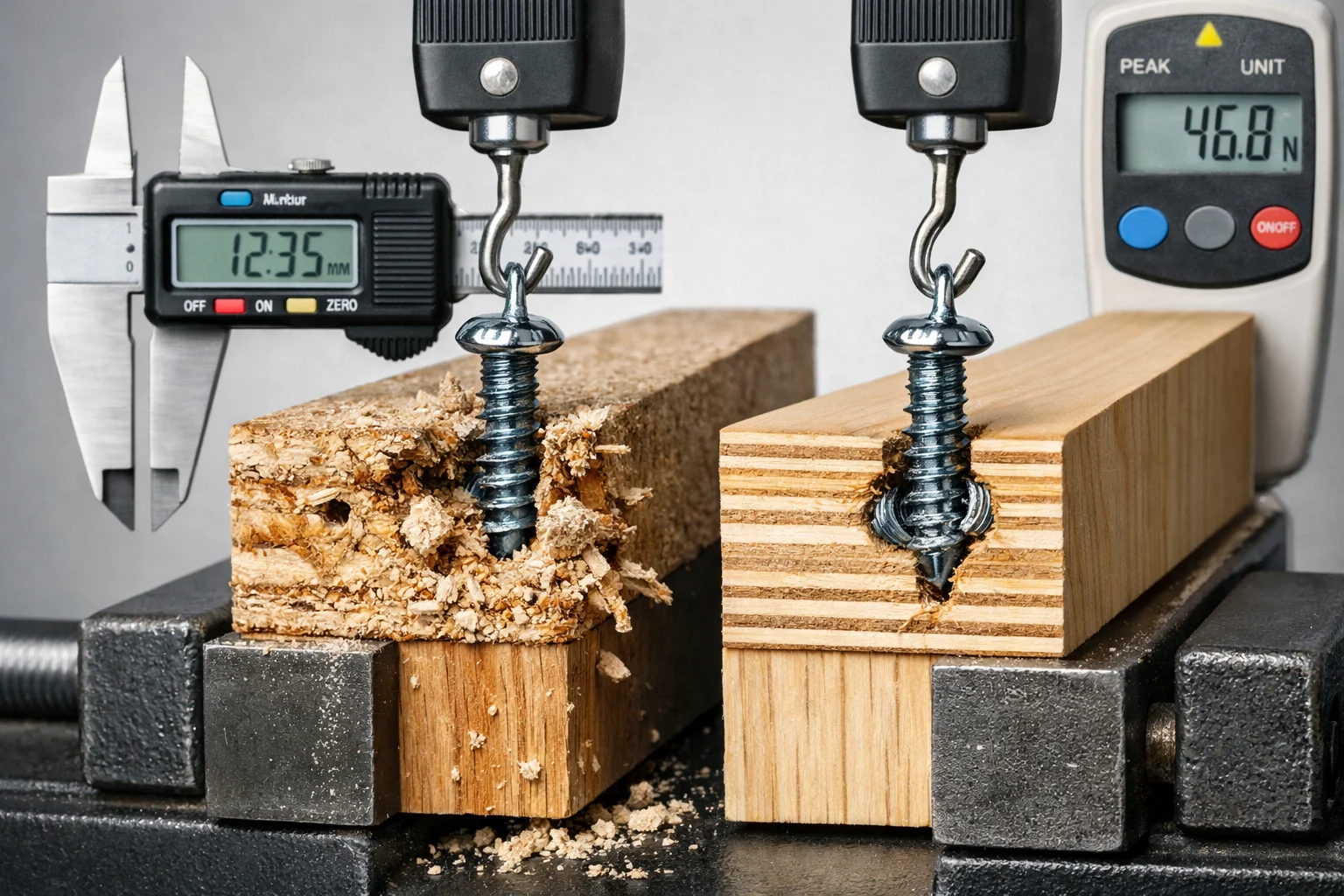
When I pick up a sofa that feels suspiciously light, my first thought is not relief. It is concern. In my experience, the most common way manufacturers cut weight fast is by building the frame out of particleboard, which is basically compressed sawdust held together with glue.The problem with particleboard is not subtle and it shows up the moment real life happens. It has no long wood fibers, which means screws do not truly bite into anything solid. When you drag the sofa a few inches to vacuum or rotate it during a move, the frame twists slightly and those screws start tearing loose inside the board.
I have owned sofas where this happened within the first year. Once those screws pull out, there is nothing to grab onto again. You cannot just tighten them, and the frame never really squares up after that.
What I do in a showroom is simple and you can do it too. I crouch down and lift one front corner of the sofa a few inches off the floor. If the rest of the frame flexes or lags behind instead of lifting cleanly, that is a bad sign. A solid frame moves as a unit, even when it is light.
I also ask the salesperson directly what the frame is made of and I listen carefully to how they answer. If I hear particleboard, engineered wood without clarification, or anything vague that sounds rehearsed, I walk away. When a sofa is built with seven layer plywood or better, they usually say it clearly and without hesitation.
My personal rule is to avoid any lightweight sofa where the frame material is not clearly stated and verifiable. Light can be smart, but only when the weight was removed thoughtfully instead of replaced with something that cannot survive being screwed, lifted, or moved more than once.
Where the Weight Goes
To get a sofa from something that weighs as much as a refrigerator down to something one person can move, manufacturers usually pull weight out of the same places. I pay attention to those places because some cuts are harmless and others quietly gut the sofa.
The first place weight disappears is the frame itself. Thick hardwood rails get swapped for thinner stock, fewer cross supports, or wood that is technically wood but behaves more like cardboard once screws go in. In a showroom, I run my hand under the front rail and along the sides to feel how thick and rigid it is. If the wood feels narrow and springy when I press, I assume it will twist the first time the sofa is dragged instead of lifted.
The second place weight gets removed is the support system under the cushions. Old sofas relied on steel springs that added a lot of mass but also spread your weight across the whole frame. Lighter sofas often replace that with webbing or simple straps, which can be fine if they are dense and tightly installed. What I do is sit down hard, then bounce slightly and listen. If I hear fabric stretching or feel a delayed sag, I know the support is doing too much work for too little material.
The third target is the cushions themselves. Foam density varies wildly, and low density foam is one of the easiest ways to shave pounds. I press my hand into a seat cushion and hold it there for a moment, then release. If the foam takes its time coming back or never quite does, that weight was doing real work and now it is gone. A lighter cushion is fine, but only if it rebounds immediately and evenly.
None of this requires tools or expertise. I am just looking for whether the missing weight was decorative or structural. When weight is removed from places that manage stress, the sofa ages fast and unevenly. When weight is removed from places that never carried much load to begin with, you get something that is easier to live with and still holds together.
As you move through a showroom, I want you to mentally trace your body weight from the cushion, through the support underneath, and into the frame. If at any point that path feels vague, flimsy, or over promised by marketing language, that is where problems usually start.
1. The Frame (Material Substitution)
This is where I had to unlearn the idea that solid wood is always the gold standard. I used to knock on the frame and listen for a deep thud, assuming heavier hardwood meant longer life. What I eventually learned is that some of the best holding frames I have lived with were not solid wood at all.
When a salesperson tells you the frame is oak or maple, I do not automatically relax. What I want to know is how much of the frame is actually that wood and how thick it is. Thin hardwood rails can still split, especially where screws go in, and once that happens the strength you paid for is gone.
What surprised me was how well high grade plywood can perform when it is done right. Birch plywood, the kind made of multiple dense layers, does not rely on one long grain to stay strong. The layers cross each other, which means screws bite more evenly and the frame resists twisting when you lift or drag it.
In a showroom, I ask specifically what kind of plywood is used and how many layers it has. If they can say birch plywood without hesitation, that is a good sign. If the answer turns into a story about engineered wood or proprietary blends, I assume it is not the good kind.
I also physically test how the frame behaves. I grab the arm and gently try to twist it side to side. A well built plywood frame feels stubborn and unified, even though it is lighter than solid wood. A bad frame feels like it is arguing with itself.
Aluminum frames show up occasionally, especially in modern designs. I am cautious but not dismissive. If the sofa feels rigid when lifted from one corner and does not creak when you sit down hard, aluminum can be fine. If it feels hollow or tinny, I move on.
What I want you to take away is this. Do not reward a sofa just for being heavy or punish it for being light. Reward the frame that feels rigid, answers questions clearly, and behaves like one piece when you lift, twist, or sit. That is what survives moves and years of use, regardless of what material it is made from.
2. The Support (Springs vs. Webbing)
After the frame, this is where I spend the most time in a showroom because it determines how the sofa will feel after a year, not just on day one. Support is the system under the cushions that spreads your weight, and it is where manufacturers can either earn your trust or quietly cut corners.
Traditional sofas use steel springs, usually sinuous springs that run front to back or the older eight way hand tied coil system. These add real weight, but that weight is doing something. When I sit down on a good spring system, the seat compresses evenly and stops, instead of dipping and slowly sinking.
In a showroom, I test springs by sitting down firmly and then shifting my weight side to side. If the seat feels consistent across its width and I do not feel a soft trough forming under me, the springs are doing their job. I also listen carefully, because squeaks and metallic clicks usually mean the springs are either thin or poorly anchored.
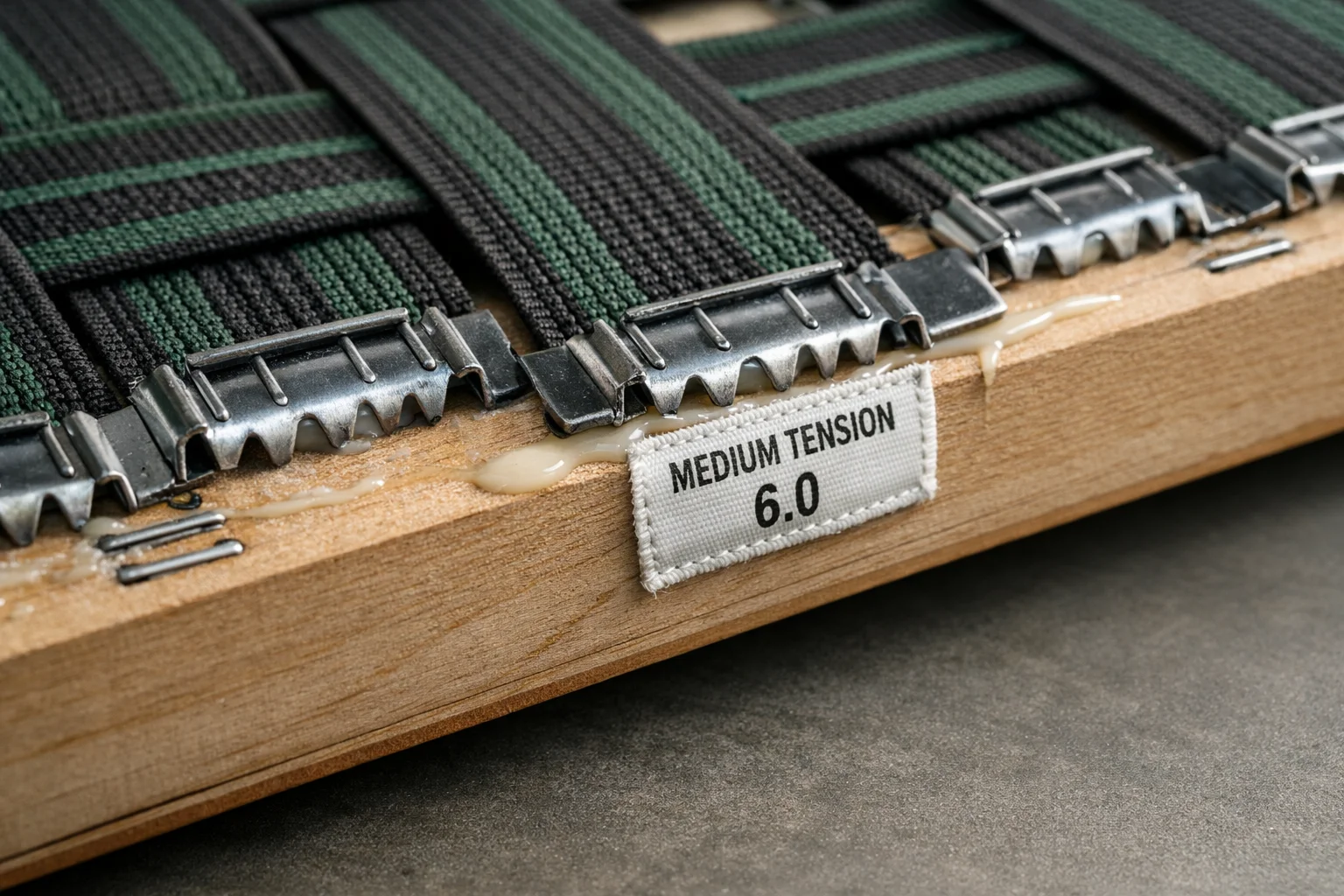
Lightweight sofas often replace springs with webbing, which is basically a grid of heavy duty straps stretched across the frame. I used to assume this was automatically cheap, and I was wrong. Some of the most comfortable modern sofas I have used relied entirely on webbing and held up beautifully.
The key difference is tension and density. Good webbing feels tight, almost like a trampoline, and it pushes back immediately when you sit. Bad webbing feels slack from day one and you can feel it stretching instead of supporting you.
What I do is press down on the seat with my hand before sitting. If I can easily push through the cushion and feel the webbing give way underneath, I know it will sag fast. When the webbing is well done, I barely notice it because the resistance feels uniform and controlled.
There is also a visual check you can do if the salesperson will let you peek under the sofa. I look for wide straps placed close together and securely stapled or bolted into the frame. When the straps are narrow, widely spaced, or already fuzzy at the edges, that is a sign they are working too hard.
One thing that surprised me is that webbing is not just about cost cutting. It is often used in high end European sofas to allow slimmer frames and lighter profiles. The difference is that those brands use dense, high tension webbing and pair it with a rigid frame, so the system works as a whole.
What I want you to avoid is the middle ground that pretends to be both. Thin springs mixed with loose webbing usually give you the worst of both worlds, extra weight without real support. When I encounter that, the seat often feels okay for five minutes and tired after twenty.
If you prefer a firmer, more traditional sit and you plan to keep the sofa for a decade, well made steel springs are hard to beat. If you want something lighter, easier to move, and more modern feeling, good webbing can be just as durable when it is done right.
The test is simple and personal. Sit down, shift around, stand up, and then sit in the exact same spot again. If the seat already feels different the second time, the support system is not resilient enough, no matter what it is made of.
By the time you walk away, you should have a clear sense of whether the support is spreading your weight calmly or fighting a losing battle. That feeling tells you more than any spec sheet ever will.
3. Foam Density (The Dangerous Cut)
This is the cut that has burned me more times than any other, because it hides behind comfort on day one. A sofa with low density foam can feel amazing in a showroom and completely betray you within a year.
When manufacturers want to save weight and money fast, they drop the foam density inside the seat cushions. The most common downgrade I see is around 1.2 pound foam instead of something closer to 2.0. That difference sounds abstract, but in real life it means the cushion is mostly air.
Low density foam compresses easily and it does not recover well. At first it feels plush and welcoming, but the structure inside collapses under regular sitting. After months of use, the cushion spreads out, flattens, and stops supporting you, which is when people say the sofa suddenly feels like you are sitting on the frame.
In a showroom, I never judge foam by how soft it feels when I first sit down. I press my hand straight down into the middle of the cushion and hold it there for a full second, then I lift my hand and watch. Good foam pushes back immediately and returns to its shape without hesitation. Bad foam lingers, creeps back slowly, or stays slightly indented.
I also squeeze the front edge of the cushion between my fingers. Low density foam feels spongy and collapses without resistance. Higher density foam feels springy and alive, even if it is wrapped in something soft on top.
One trick that has saved me is to stand up after sitting for a minute and then sit down in the exact same spot again. If the cushion already feels lower or less supportive the second time, that foam is not going to last. It should feel boringly consistent.
You can also ask directly what the foam density is, and this is one of the few specs I think is worth asking for by name. If the salesperson cannot answer or tries to redirect you to how comfortable it feels, I assume the number is low. When the foam is 2.0 or higher, they usually say it clearly because it is a selling point.
Be careful with language like ultra plush, cloud soft, or sink in comfort. Those phrases often signal low density foam doing all the work. Comfort can come from layered construction, where denser foam is underneath and softer material is on top. What fails is when softness comes from weak foam all the way through.
If the cushions are reversible, I unzip one if possible and feel the core directly. I am not being rude, I am protecting my future. A dense foam core feels heavier in your hands and resists bending. A cheap core feels light and floppy, almost like a kitchen sponge.
The reason this cut is so dangerous is that you cannot fix it later. You can reinforce a frame or add support under a seat, but once low density foam collapses, the only real solution is replacing the cushions entirely. That is expensive and rarely planned for.
What I want you to remember is simple. Foam should do quiet, boring work for years without drama. If a cushion impresses you too much in the first five minutes, slow down and test it harder. Long term comfort comes from resilience, not from instant softness.
Diagram of solid wood vs plywood frame engineering
When I look at this diagram, what jumps out is not the weight savings. It is how the forces move through the frame when someone sits down, stands up, or drags the sofa a few inches across the floor.
A solid wood frame relies on long, single grain pieces to resist bending. That works well when the wood is thick and the joints are generous, but once manufacturers slim those rails down to save weight, the grain becomes a liability. Wood is strongest along the grain and weakest across it, which is exactly where screws and stress tend to go.
Plywood changes that relationship. Because the layers alternate direction, there is always grain running against the force trying to twist the frame. That is why a well made plywood frame can feel rigid even when it is noticeably lighter in your hands.
In a showroom, I use this mental picture when I lift one corner of a sofa. If the frame is engineered well, the opposite corner follows immediately, almost like lifting a stiff box. If the sofa lags, creaks, or feels like it is folding slightly in the middle, I assume the frame is relying on thin solid wood that cannot resist torsion.
I also pay attention to where the joints are placed. Plywood allows wider glue surfaces and more consistent screw holding, which means corners tend to stay square over time. Solid wood frames often concentrate stress at the joints, and once those loosen, the whole sofa starts to feel tired even if nothing is visibly broken.
This is why I stopped asking whether a frame is solid wood and started asking how it is built. A thin solid wood rail does not automatically beat a thick, multi layer plywood rail. In real life, the plywood often wins because it resists the kind of twisting and racking that happens during moves and daily use.
If you take one thing from this diagram, let it be this. Strength is about geometry and load paths, not nostalgia. When a salesperson dismisses plywood as inferior without explaining the construction, I assume they are selling a story, not engineering.
When you are standing there deciding whether a lighter sofa is a smart choice or a risky one, picture these layers crossing each other and sharing the load. If the sofa feels unified when you lift it and calm when you sit down hard, that engineering is doing its job, even if your back thanks you for the missing weight.
The “Bolted Joinery” Requirement
The "Bolted Joinery" Requirement
If a sofa is light, it will slide across your floor when you sit down. This impact loading puts stress on the joints every single time. The fix I look for is bolt and barrel nut joinery instead of simple wood glue and staples, because it allows you to re tighten the joints after a move.This is the part of sofa construction I ignored for years, and it is the reason several otherwise decent sofas slowly turned into wobbly ones. When a sofa is light enough to shift when you sit down, the force does not disappear. It goes straight into the corners where the frame pieces meet.
Every time you plop down, stand up, or drag the sofa a few inches, the joints take a sharp hit. Glue and staples can survive that for a while, but they cannot be tightened once they loosen. When they fail, the frame starts to rack, and everything else wears out faster because nothing is square anymore.
Bolted joinery changes that dynamic. Instead of relying on friction and dried glue, the frame is clamped together mechanically. A bolt passes through one piece of the frame and threads into a barrel nut hidden inside the adjoining piece, pulling the joint tight like a vise.
What matters to you is not the hardware itself, but what it allows. If a sofa with bolted joints starts to feel loose after a move or a few years of use, the joints can often be snugged back up. That one detail can add years to a lightweight sofa that would otherwise feel tired and unstable.
In a showroom, I do not expect to see the bolts directly, but I do look for clues. I crouch down and look under the sofa at the inside corners where the arms meet the base. If I see clean round holes with metal hardware or capped access points, that is a good sign the joints are mechanically fastened.
I also lift one end of the sofa and gently set it back down a few times. A bolted frame tends to feel tight and quiet, even when it is light. A glued and stapled frame often makes a dull creak or shudder as the joints absorb the impact.
The most important thing I do is ask a very specific question. I ask how the frame joints are fastened and whether they are bolted or just glued and stapled. I then stop talking and listen. When the answer is confident and direct, it usually means the sofa is built that way. When the answer drifts into general quality claims or comfort language, I assume the joints are basic.
If the salesperson mentions that the sofa can be disassembled or that the arms are bolted on, that usually goes hand in hand with proper joinery. Sofas designed to come apart almost always rely on bolts because glue alone would not survive repeated assembly.
This matters even more if you rent or expect to move. Most frame damage does not happen from sitting. It happens during twisting, lifting, and dragging through doorways. A bolted joint can handle that abuse and be corrected later. A glued joint just slowly gives up.
I learned to think of bolted joinery as insurance for lightness. If a sofa is going to be easy on my back, I want the joints to be serious enough to take the extra shock that lightness creates. When I find a lightweight sofa with a rigid frame and bolted corners, I relax, because I know the structure is not relying on hope to stay together.
If you remember nothing else from this section, remember this. Light sofas demand better joints than heavy ones. When the joints can be tightened instead of replaced, the sofa has a fighting chance of aging gracefully instead of slowly falling apart.
Technical Summary: The Lightweight Spec Sheet
After all that testing, lifting, and second guessing in the showroom, I like to reduce everything to a simple mental checklist. This is not a promise of perfection. It is just the minimum baseline I personally look for before I stop worrying that lightness came from the wrong places.
When it comes to the frame, I am comfortable with multi layer plywood, especially birch or poplar, as long as the salesperson can say that clearly and the sofa behaves as one rigid piece when I lift a corner. I am not chasing solid wood here. I am chasing a frame that resists twisting, holds screws well, and does not argue with itself when moved.
For suspension, I accept high tension elastic webbing when it is dense, tightly installed, and paired with a stiff frame. In the showroom, that means the seat pushes back immediately when I sit and feels the same the second time I sit in the same spot. Loose webbing or vague answers about the support system send me walking.
Foam is where I draw a hard line. I look for seat cushions that use at least 1.8 pound density foam, preferably closer to 2.0, because that is where I have seen flattening slow down dramatically. I confirm this by pressing, holding, releasing, and sitting twice in the same place, not by trusting how plush it feels at first contact.
I also pay attention to the legs, even though they seem cosmetic. Aluminum or solid tapered wood legs usually tell me the manufacturer did not panic and switch to plastic at the last second. When I see plastic legs on a lightweight sofa, I assume cost cutting likely reached further into the frame than I want to deal with.
I do not expect a spec sheet to guarantee longevity, but I use it as a filter. When a sofa meets these basic criteria and passes my physical tests, I feel like the lightness was engineered instead of stripped out. That is when I move on to fabric, proportions, and whether I actually want to live with the thing.
If you take this summary into a showroom, treat it like a quiet gut check. You do not need to recite it or challenge anyone. Just notice whether the sofa in front of you lines up with it naturally or whether every answer feels evasive. In my experience, the good ones do not require much convincing.
Explore Technical Reference
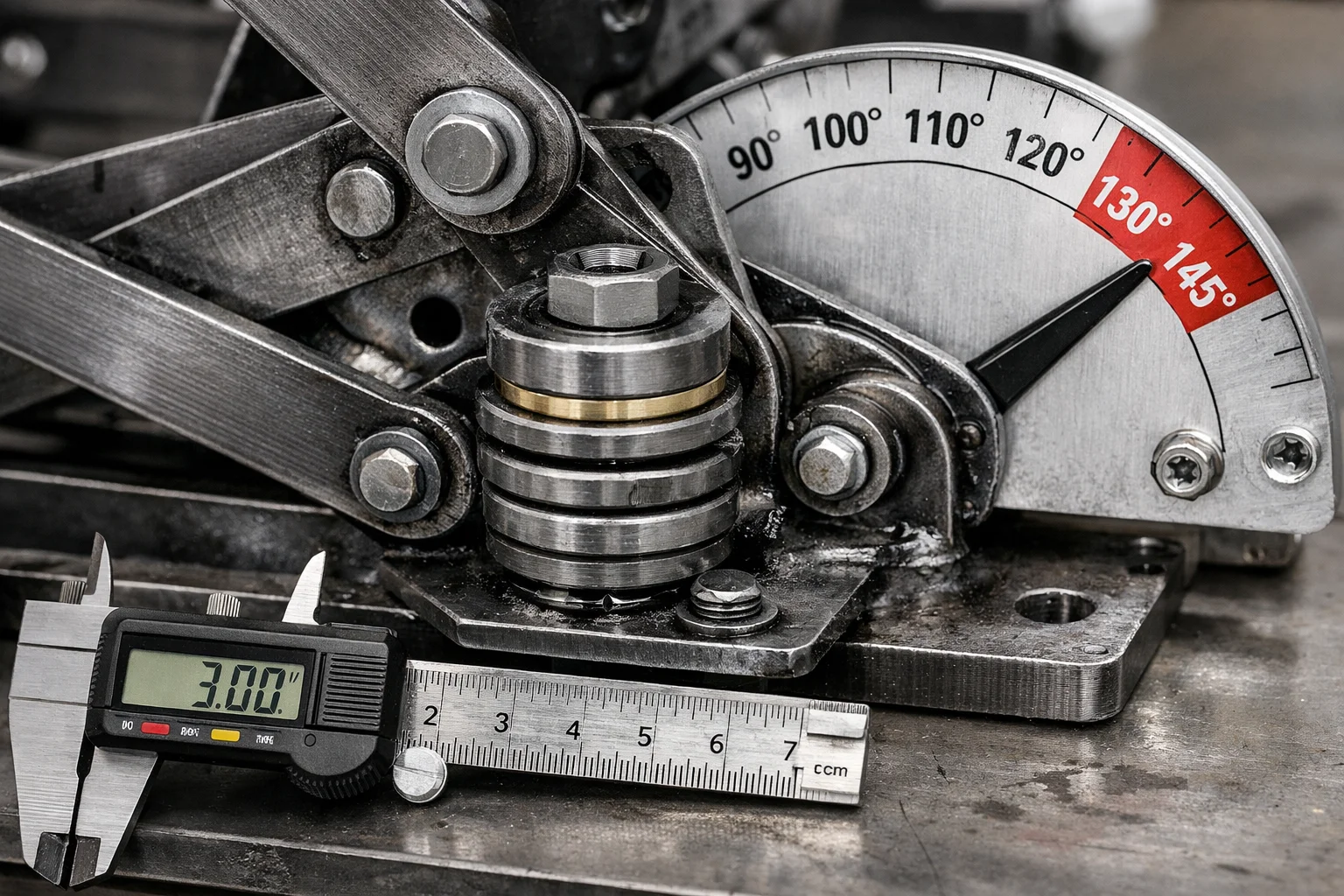
Recliner Mechanisms: The Arc of Motion
Why your recliner is hitting the wall. A guide to the geometry of motion,
Analyze Details →
Futon Durability: Hardwood vs. Hollow Tubes
Why futon frames fail and what construction features predict long-term durability. Understanding the weak points that determine whether a futon lasts years or months.
Analyze Details →