The Tipping Point: How to Spot a Dead Sofa

Introduction
From five feet away, my sofa looked perfect. But when I sat down, I was doing a “squat” just to keep my spine straight. It was structurally deceased, but visually perfect.
That is the whole problem with buying seating furniture. The stuff that fails first is the stuff you cannot really see in a showroom, like the seat support under the cushions, the way the frame is joined, and whether the cushions can survive real use without turning into pancakes.
I am not writing this as a designer or a salesperson. I am writing it as someone who has paid for a sofa twice, once at the register and again in discomfort, and I want you to be able to spot the difference between something that looks good today and something that will still feel good years from now.
When you shop, I want you to treat every sofa like it is guilty until proven supportive. You are not just choosing a style, you are choosing how your hips, knees, and lower back are going to feel every evening, and whether the sofa will still sit level after a couple of winters of actual lounging.
This guide is built around what you can do right there on the showroom floor, with your hands and your body, without special tools. I will keep coming back to a simple idea that saved me later, you have to test the parts that do the work, not the parts that do the posing.
If you only take one mindset into the store, take this. A sofa that photographs well can still be a bad seat, and a sofa that is comfortable for two minutes can still be a bad build. Your job is to make it prove itself before you bring it home.
The "Bathtub Curve" of Furniture
I have learned to think about sofas like they follow a predictable arc, even when the sales floor makes everything feel timeless. The first stretch is the break in period, roughly the first few months, when a new sofa can feel stiff, sit a little high, and sometimes squeak or crackle as the materials settle and the fasteners find their working position.After that comes the sweet spot, usually the early years, when the seat feels supportive but not rigid and the back hits you in the right place without extra pillows. This is the phase that tricks you into thinking you bought something that will feel that way forever.
Then the slow decline starts, and what makes it dangerous is how gradual it is. The seat support loses tension, the foam softens, and the frame can loosen just enough that one side sits a hair lower, and you adapt without noticing by leaning, rotating cushions, perching on the firmer spot, or stuffing a pillow behind you.
The practical takeaway for you in a showroom is that you cannot judge a sofa only by the first sit, because a brand new sofa is at the least informative point in its life. I try to judge whether it is built to age gracefully, not whether it feels perfect in minute one.
When you sit, pay attention to whether the comfort is coming from soft plushness or from actual support underneath. If you sink quickly and then feel a hard layer, or you feel yourself sliding into a hollow, I assume that will feel worse, not better, once the foam breaks in.
I also look for signs that the design is forcing you to compensate right away, because those little compensations become habits when the sofa starts declining. If you immediately want a pillow for lumbar support, if your knees end up higher than you like because the seat is too deep, or if you can only get comfortable by leaning to one side, I treat that as an early warning.
If you want a simple reality check, do this, sit in your normal position, then stand up and sit back down in the exact same spot a few times. A well supported seat feels consistent, but a marginal seat will start to feel like it is giving up ground even over a short test, especially if the cushion is already relying on softness rather than structure.
Finally, I remind myself that squeaks are not automatically a dealbreaker in the break in window, but they are a clue to investigate. If a sofa makes noise, I shift my weight side to side and listen for rubbing or popping, then I decide whether it feels like normal settling or like parts moving against each other that will only get looser with time.
The 3 Stages of Death
I think of most sofa failures as arriving in three stages, and the trick for you in a showroom is to figure out which stage is easiest to fix later and which stage means you should walk away now. The outside fabric almost never tells you the truth, so I focus on what my body can detect in a two minute test.
Stage 1: The “Butt Print” (Foam Failure)
This is the classic crater cushion. You stand up and the seat stays compressed like it is holding your shape, and the sofa starts looking tired even when the frame is still fine.
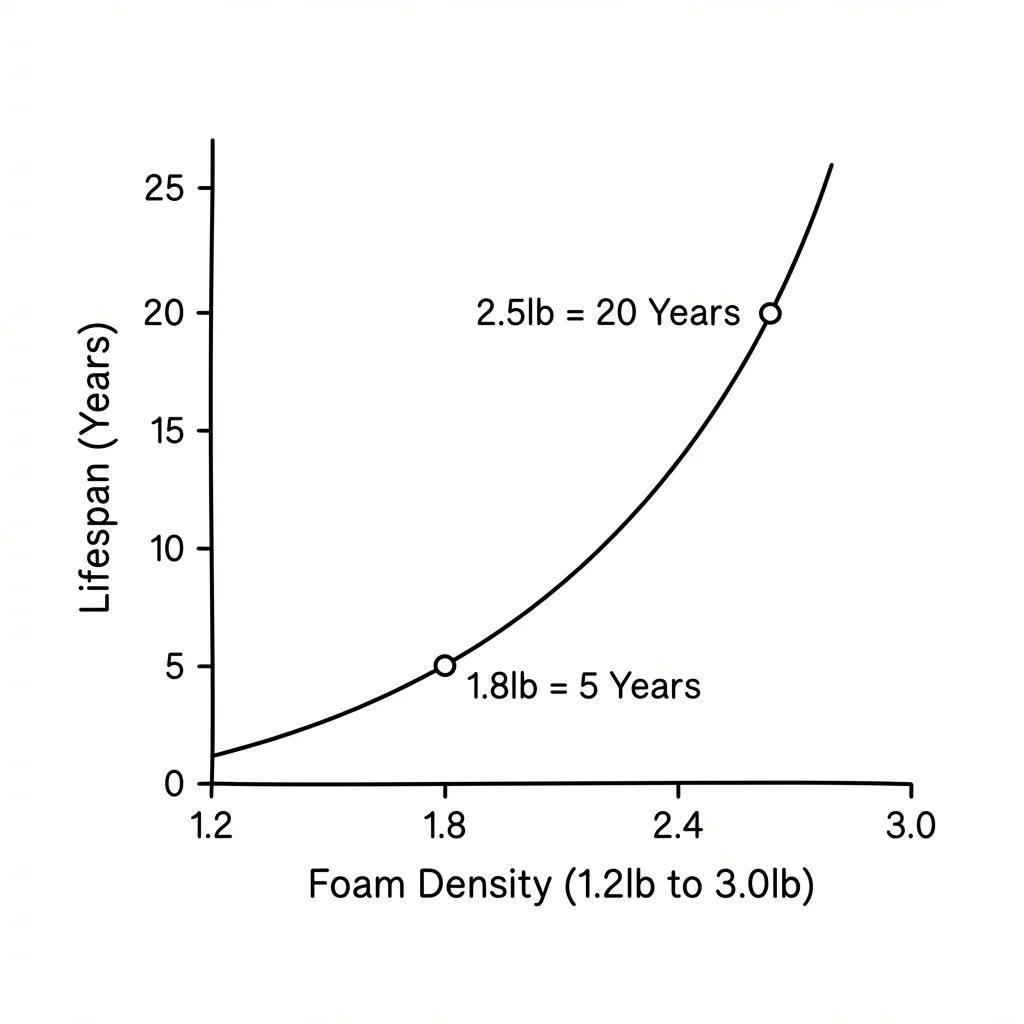
What is happening is the foam has lost its structure. In plain terms, the cushion has given up and it cannot rebound the way it did when it was new.
The reason I treat this stage as still alive is that cushions are one of the few things you can often fix without rebuilding the whole sofa. If the cushion covers zip off and the seat cushions are loose rather than sewn in, I relax a bit because you can usually replace the foam cores later without doing surgery on the furniture, and it is often in the ballpark of about $150 per cushion depending on size and foam quality.
In the showroom, I check for removable seat cushions first, then I do a quick consistency test. I sit in one spot for a moment, stand up, and look back at the cushion. A little impression is normal, but if it stays noticeably collapsed right away on a brand new floor model, I assume it will age fast in your living room.
Stage 2: The “Bucket Seat” (Spring Failure)
This is when the seat stops acting like a flat platform and starts acting like a hammock. You feel yourself rolling toward the middle, your knees end up higher than your hips, and getting up feels like climbing out of a dip.
The cause is usually the seat support under the cushions losing tension, either the springs stretching over time or the attachments letting go. The important part for you is that this is not just a cushion problem anymore, it is the deck of the sofa losing its shape.
I treat this stage as critical because the repair is invasive. To fix it properly someone typically has to flip the sofa, open up the underside, and rebuild what is supporting you, and that is only worth paying for if the frame and the rest of the build are genuinely high end.
In a showroom I try to detect early hints of this by sitting in the middle and then near the ends, then noticing whether the seat height and feel stay consistent. If the center already feels like a gentle valley compared to the sides, or if you can feel a slack, trampoline like drop under the cushion, I assume the sofa is heading toward bucket seat life sooner than you want.
Stage 3: The “Creak” (Frame Failure)
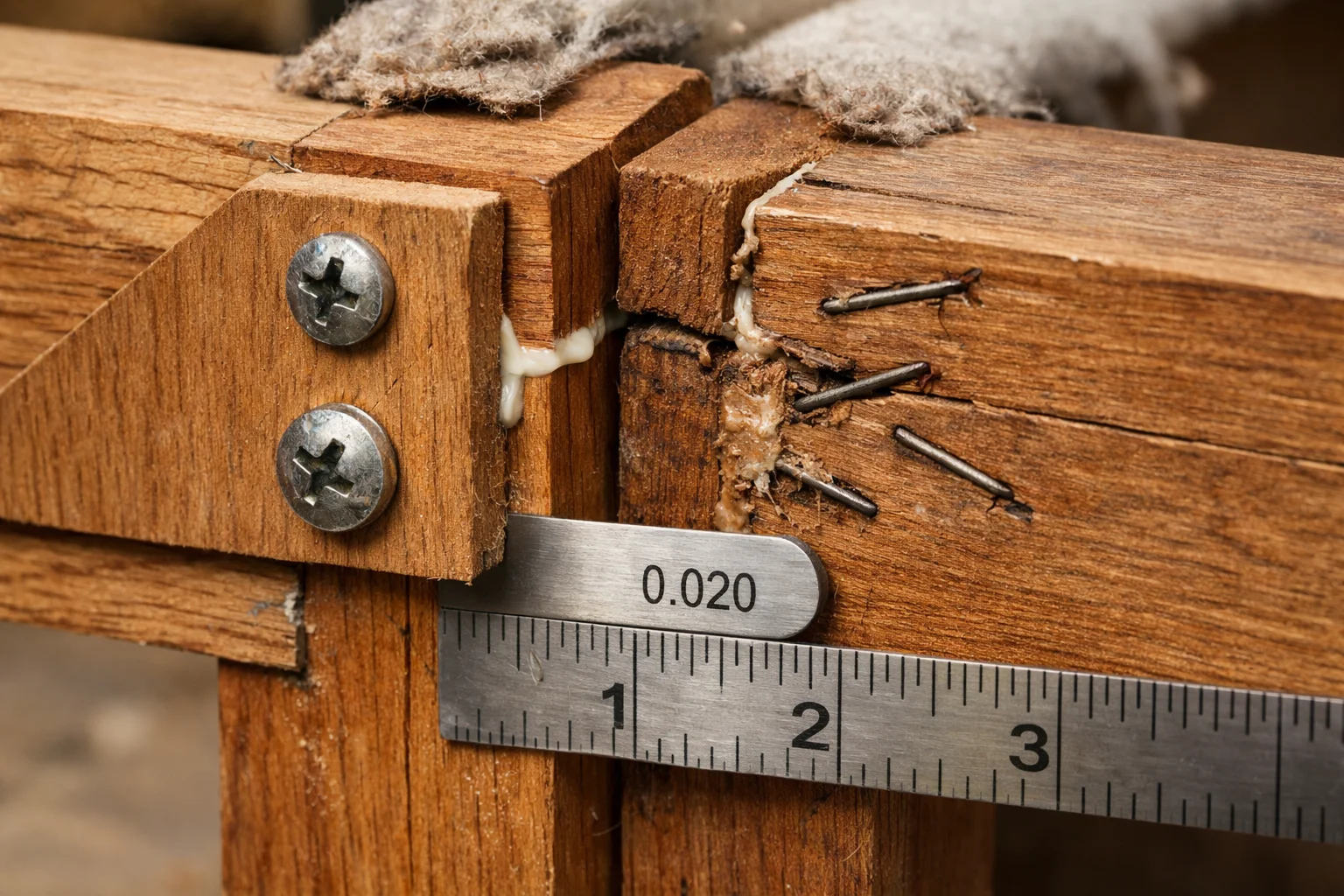
This is the one I do not rationalize away. If you sit and hear a pop, a groan, or a repeatable creak, and especially if the arm wobbles when you push it, I assume the skeleton is moving when it should be rigid.
Frames fail when joints loosen, glue lines dry out, fasteners shift, dowels shrink, or wood cracks. The details vary, but the practical reality is the same, a moving frame usually keeps moving more, and the noise is the warning you can actually hear.
My rule is simple. If the frame is failing, the sofa is dead for normal buyers because you cannot sensibly pour money into a broken structure and expect it to stay fixed.
In the showroom I do a few quiet tests. I plant my feet and shift my weight side to side, then I press down on the arms and the front rail like I am checking for looseness, not like I am trying to break it. If I can make it click, pop, or rack with gentle pressure, I stop imagining how nice the upholstery looks and I move on.
Chart showing expected lifespan by price tier
I like charts like this because they force an uncomfortable question in the showroom, what life are you buying, not what look are you buying. The danger is treating the price tag like a promise, because a cheap sofa can sometimes limp along longer and an expensive sofa can still disappoint, but the broad pattern matches what I have lived through.
When you are looking at that $500 tier, I assume you are mostly paying for the visible parts and the shipping. If you buy here, I want you to do it on purpose, with the expectation that the cushions will soften fast and the seat will start feeling less level sooner than you want.
The actionable move at this tier is to protect yourself with removability. I look for loose seat cushions with zippered covers and I ask, in plain language, whether replacement cushion inserts are available later, and whether the covers can be taken off without ripping stitching. If the salesperson cannot give a clear answer, I assume the sofa is meant to be replaced, not maintained.
In the middle tier around $1,500, the chart’s five to nine years feels realistic to me when the basics are decent, especially the seat support and the frame rigidity. This is the range where I see a lot of “looks expensive, built ordinary,” so I treat it like an investigation, not a trust exercise.
Here I want you to connect price to one specific thing you can feel immediately, consistency across the seat. Sit in the center, then sit on each end, and pay attention to whether your hips land at the same height and whether the seat pushes back the same way each time. If one spot feels like the beginning of a hammock, I do not care how nice the fabric is, I assume you are buying early bucket seat behavior.
This is also where I start caring about whether the sofa can be serviced without heroics. If the seat cushions are attached, if the deck feels like one big soft pad rather than a supported platform, or if the back cushions are so overstuffed that you cannot feel the frame behind them at all, I assume you will not be able to tune the comfort later, you will only be able to tolerate it.
When you are in the $4,000 and up “heirloom” world, I treat 20 plus years as possible, but only if the sofa is built like something you can keep alive. That means the frame feels dead solid, the seat support feels springy without feeling slack, and the cushions feel like they are meant to be refreshed, not thrown away.
My showroom move here is to stop sitting politely and start checking for long term ownership clues. I press on the arms and front rail for any hint of racking, I listen for repeatable noise when I shift my weight, and I ask about cushion construction and whether the manufacturer sells replacement inserts and replacement covers, even if you never plan to buy them. If they act confused by that question, I take it as a signal that the price is buying branding and tailoring more than lifespan.
The big takeaway I want you to carry from the chart is this, you should match your scrutiny to the lifespan you are hoping for. If you want something to last a decade or more, you cannot shop mainly with your eyes, you have to shop with your body and with questions that reveal whether the sofa is maintainable.
If your budget realistically lands in the first or second tier, I would rather you buy a simpler, more serviceable sofa than a fancier looking one that is sealed shut. If your budget lands in the top tier, I would rather you walk away from anything that creaks, wobbles, or feels uneven, because at that price you are not buying permission to compromise, you are buying the right to be picky.
The “Autopsy” (Learn Before You Buy Again)
If you are about to replace a disappointing sofa, I want you to do one slightly weird thing before it leaves your house. Flip it over and cut the bottom dust cover open, that thin black fabric that makes the underside look “finished.”
I used to think that cover was just cosmetic, but it is also the easiest peek you will ever get at what actually did the work. Once it is open, you can see what the frame rails look like, what is supporting the seat, and what the manufacturer thought was “good enough” to hide under there.
When I look inside, the first thing I check is what the main structural pieces are made of. If you see actual plywood panels and solid wood rails, that is at least a sign someone paid for strength where you cannot see it. If you see cardboard panels, thin staple strips, crumbly particleboard, or a lot of mystery “engineered wood” that looks like compressed sawdust and glue, I treat that as an explanation for why the sofa got wobbly or saggy even if the upholstery stayed pretty.
Then I look at how things are attached. If you see plastic clips doing important jobs, like holding spring units, holding webbing, or holding pieces that look like they carry your weight, that is a red flag I remember. Plastic is fine for guiding a wire or holding a dust cover, but when it is the thing keeping the seat from turning into a hammock, it tends to become the failure point.
This is the part that helps you in the showroom later, because you are building a personal “spotter’s guide” from your own disappointment. When you shop for the next sofa, you can ask better questions because you are no longer asking in vague terms like “Is it good quality,” you are asking about the exact parts that let you down.
If your old one had a cardboard like panel under the seat, you can ask the salesperson what material is used under the cushions and whether it is plywood, solid wood slats, webbing, or springs. If your old one had lots of engineered wood at the joints, you can ask what the frame rails are made of and whether the high stress corners are solid wood or composite.
If the person you are talking to cannot answer, I do not argue, I just treat that as information. If they do not know what is under the dust cover, you should assume you are being sold the parts you can see, not the parts you will sit on for years.
I also take photos during the autopsy, not to post them, just to bring them with me mentally when I am tempted by something in a showroo
Technical Summary: The Hotel Test
I use a blunt little reality check I call the hotel test, and it is less about hotels and more about removing your home furniture from the equation for a few days.
If you travel and you notice that after a few nights on a different bed and a few evenings in different chairs your back pain or hip tightness drops fast, I treat that as a strong clue that something you sit on at home is quietly messing with you. I am not saying a hotel chair is “good,” I am saying the change itself can expose the problem.
What I want you to do with that information is stop blaming your body first. If you consistently feel better when you are away, come home and pay attention to what hurts within an hour of your normal routine. If the discomfort shows up right after your usual sofa time, that sofa is not neutral, it is actively shaping your posture.
You can even run a mini version without traveling. Spend three evenings in a row sitting somewhere else in your home, like a dining chair with a firm seat, then go back to your sofa on the fourth night and notice what changes. If the sofa makes you slouch, tuck your pelvis, crane your neck forward, or perch to avoid sinking, that is your body telling you the “comfortable” feeling is actually you adapting.
When I hit that conclusion, I do not try to negotiate with the furniture. I stop shopping by looks and start shopping like I am replacing a tool that is hurting me, which means I get ruthless about seat consistency, depth that fits your legs, and a support system that does not already feel like it is turning into a hammock in the showroom.
If you want a single actionable question to carry into the store after the hotel test, ask yourself this while you sit on any candidate sofa: can you fully relax without bracing your core, without sliding forward, and without needing an extra pillow to feel “stacked” from hips to ribs to head. If the answer is no on a brand new floor model, I assume the answer will be worse in year two.
Explore Technical Reference
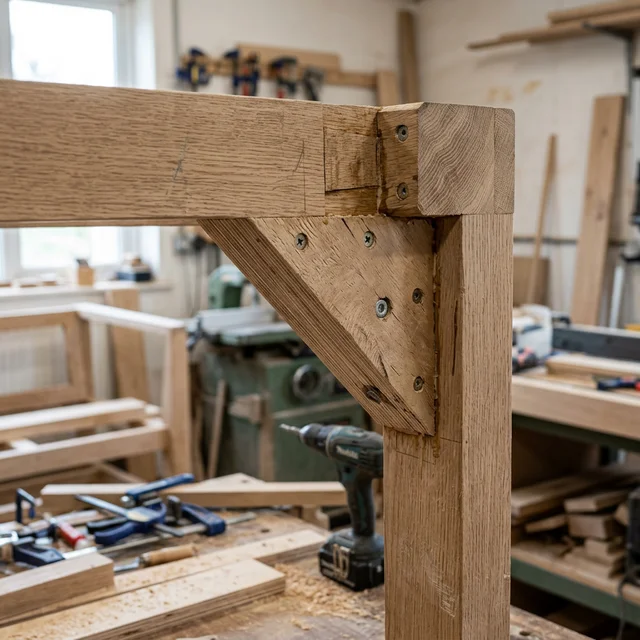
Lifespan By Tier: What You Get For Your Money
How construction methods determine furniture lifespan. Understanding why material and joinery choices create predictable expiration dates regardless of care.
Analyze Details →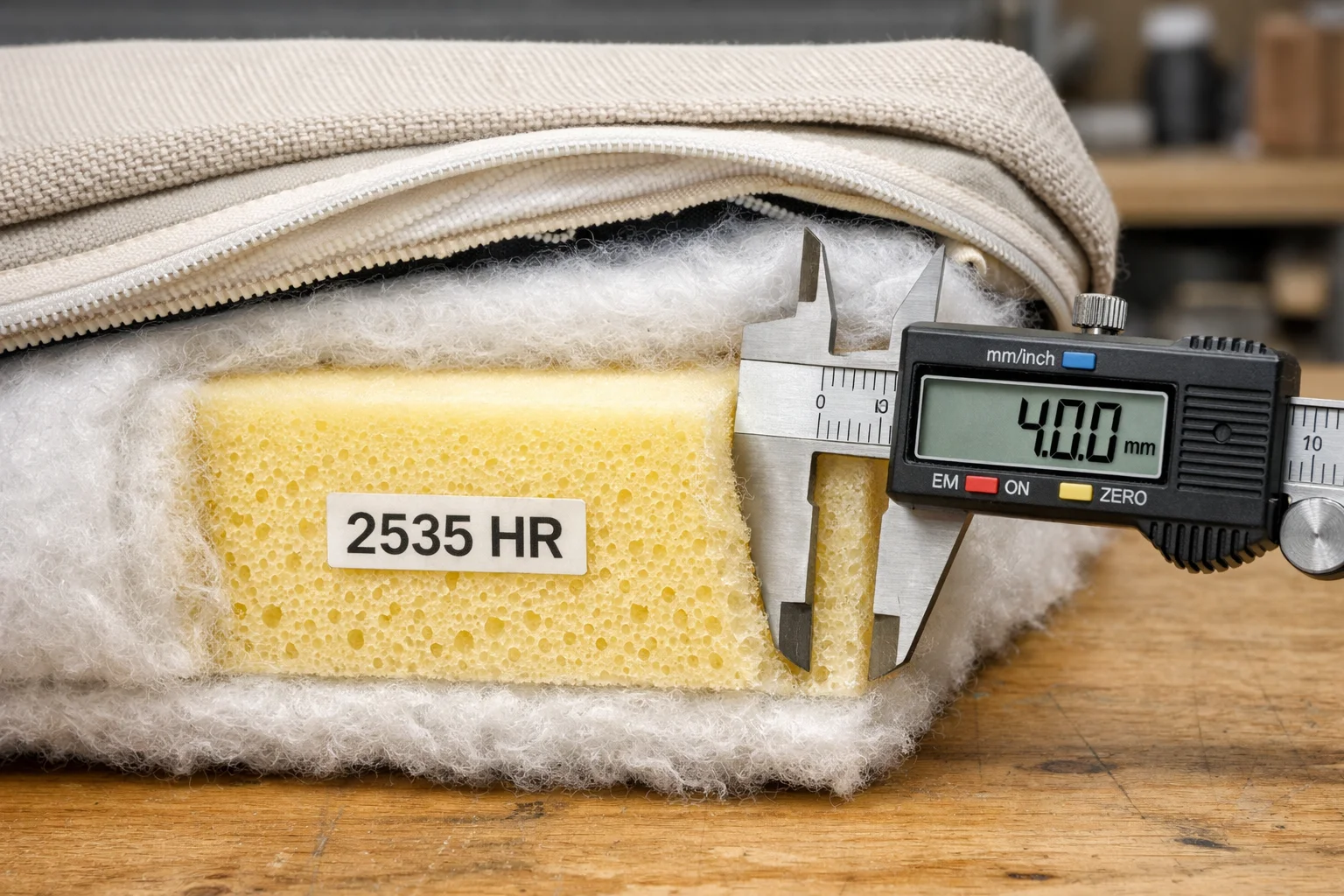
The Stuffing Guide: Replacing Your Foam Core
A step-by-step guide to the vacuum method. Why Dacron wrap is key to a professional look.
Analyze Details →