Upholstery Quality: How to Spot "Cheap" Sewing
Introduction
I looked at two sofas, one was $5,000 and the other $1,000, and from ten feet away they looked identical. Then I got closer and the cheap one started giving itself away.
The piping wandered and kinked around the corners, and the fabric pattern did not meet cleanly at the seams. The expensive one looked calm and intentional, like the lines were drawn once and never corrected.
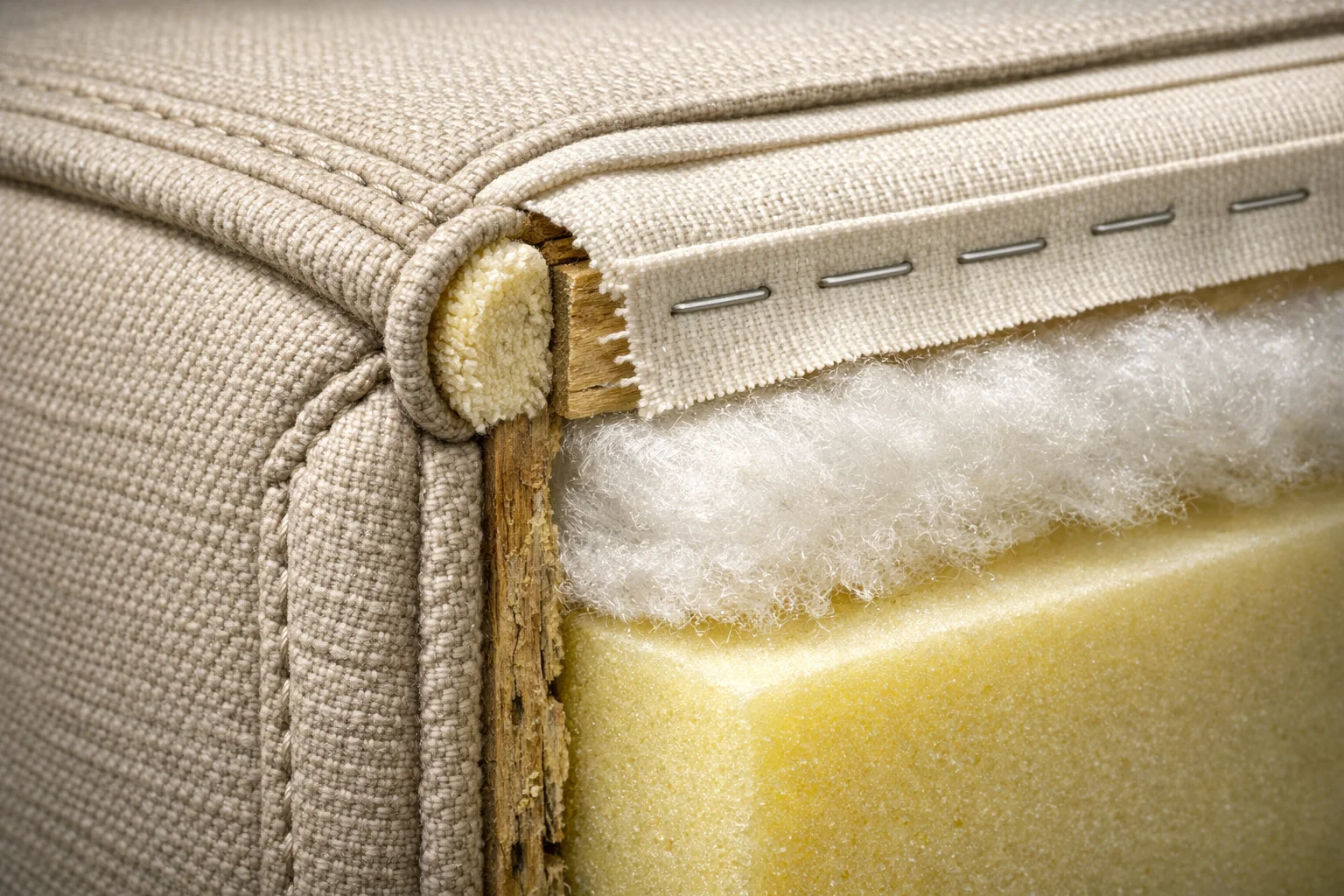
That is the first thing I want you to take from this guide, upholstery is not just covering a frame, it is tailoring a suit. When the tailoring is sloppy, it usually means corners were cut in places you cannot see either, and those hidden shortcuts are what show up later as sagging seats, loose arms, and cushions that never look “right” again.
When you are in a showroom, I want you to stop doing the ten foot test. Walk right up and treat the sofa like a close inspection, because the details you can see are often the safest clue to the stuff you cannot.
Run your eyes along the seams and look for a straight, consistent line that does not drift. If the seam waves, puckers, or pulls tight in one spot and loose in another, I assume the cover was rushed or forced to fit, and that usually does not improve with time.
Look at the pattern, if there is one, and see whether it lines up across seat cushions, across the back cushions, and especially where the arms meet the body. I do not need perfection on every piece of fabric, but I do want to see that somebody cared, because care costs money and it tends to show up everywhere.
Press on the arms and the back and pay attention to how the fabric behaves. If it crackles, feels thin, or immediately shows ripples and looseness after you let go, that is a hint that the cover is doing too much work to hide padding that is not well supported.
Sit like you actually live there, then stand up and look at what changed. If the seat looks wrinkled, the cushions slide forward, or the front edge looks like it is already starting to roll, I treat that as an early warning, even if the sofa feels comfortable for ten seconds.
Price can matter, but it is not a guarantee. What I am going to do in the rest of this guide is show you how to “read” a sofa in the store, so you can tell when a $1,000 sofa is honest value and when a $5,000 sofa is just expensive fabric on a weak build.
The Price of Perfection
Why does "Flow Matching" cost so much?When you see a sofa where a big floral or geometric pattern lines up cleanly across multiple cushions, you are looking at a choice the factory made to spend more than they technically had to. To get those flowers or stripes to “flow” across three separate seat cushions, they often cannot just cut pieces one after another from the roll, they have to skip around so the pattern hits the right spot on every panel. That means a noticeable chunk of perfectly good fabric never makes it onto your sofa, it becomes waste.
Then there is the time. Somebody has to stand there and plan those cuts before the first piece is even sliced out, and that planning is skilled work. When the pattern is large and obvious, getting it to land correctly is slow and deliberate, and you are paying for that patience as much as you are paying for the fabric itself.
The part I want you to remember is this: when flow matching is done right, the price jump is not mysterious. You are paying for discarded fabric and extra labor time, not some magic upgrade you can feel in the cushions.
If you love patterned upholstery, I would rather see you be intentional about what you are buying. In the showroom, walk up to a patterned sofa and check the front edge of the seat cushions first, because that is where misalignment screams the loudest and where corners are easiest to hide.
Then look at the inside arms and the outside arms, because this is where the “perfection tax” can get silly. If the pattern flows across the main body and cushions but does not line up perfectly on the outside arm panel, I personally do not care, because that panel is often one big piece and matching it can burn a lot of fabric for very little real world benefit.
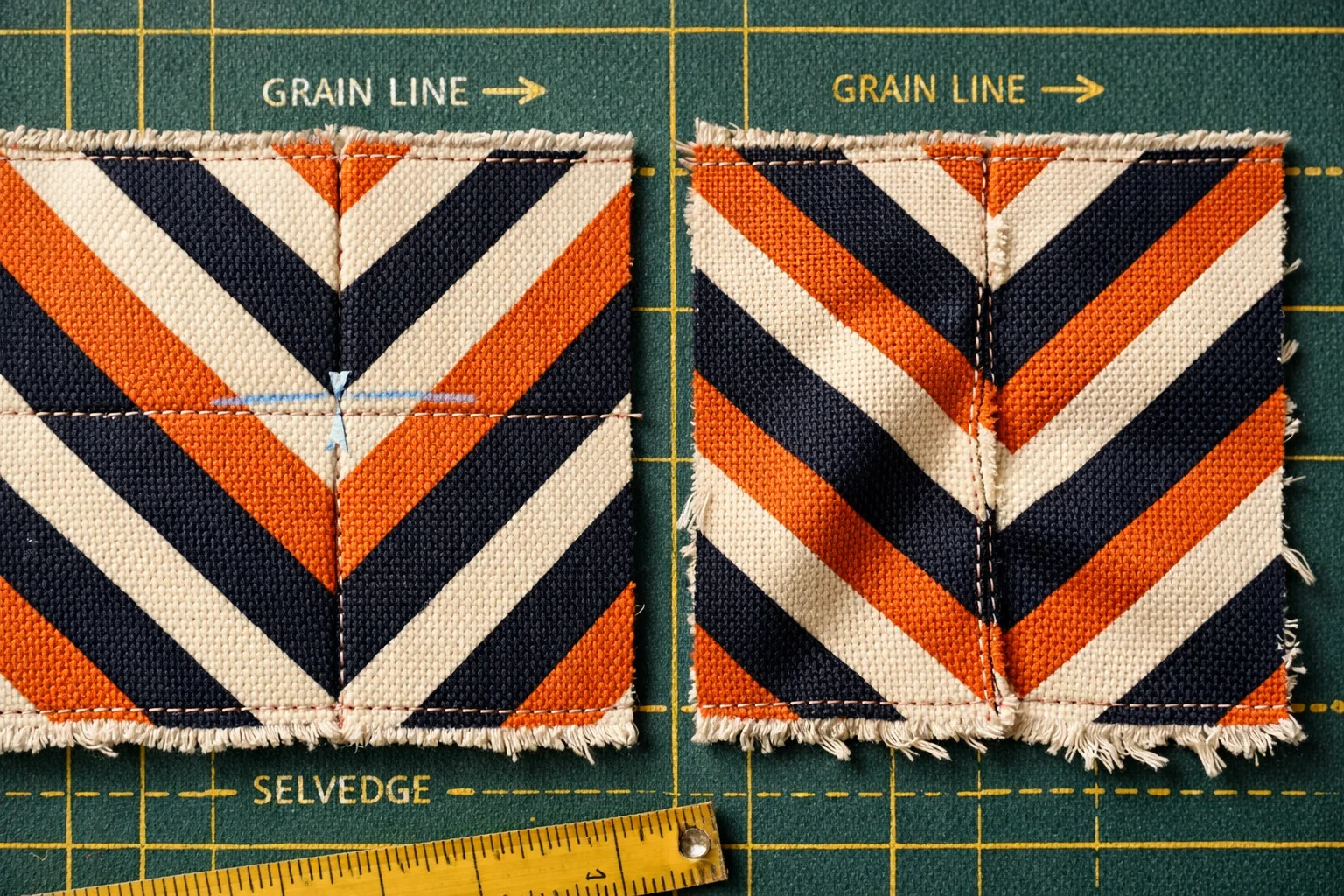
What I do care about is when a seller tries to make you feel picky for noticing obvious mismatches right in the center of your view. If the pattern breaks abruptly across the seat and back cushions, that is not a minor cosmetic quirk, it is usually a sign you are looking at a production choice to go faster and cheaper, and that same mindset can show up in less visible places too.
If your budget is tight, here is how I would spend it. I would choose a solid fabric, a small scale texture, or a heathered weave, because those hide seams and slight stretching and you are not paying a premium for alignment work that does nothing for longevity.
If you are going to pay extra for flow matching, make sure you are getting it where it counts. I would ask, “Are the seat and back cushions cut to match the pattern across the whole sofa?” and then I would physically lift the cushions and check that they are not just doing a one time showroom trick with one “hero” cushion, while the replacement cushion you buy later will never match.
Also ask what happens if a cushion cover is replaced under warranty, because this is a quiet way the perfection gets expensive later. If they cannot commit to matching a replacement cover to the original run, I treat the upcharge as something you should only pay if you are okay with it aging imperfectly over time.
The last thing I will say is that flow matching is not the same thing as quality construction. I have seen beautiful pattern work sitting on top of a sofa that still felt loose in the arms and under supported in the seat, so I treat it like icing, not the cake. If the sofa is solid and comfortable and you love the look, pay for the perfection because it makes you happy, just do it with your eyes open about what you are actually buying.
1. Pattern Matching (The Dead Giveaway)
When a patterned sofa is trying to look expensive on a budget, I usually see it in how the pattern “resets” between cushions. You will be standing there looking at a vine, stripe, plaid, or geometric, and it will run down the back cushion, hit the seam, and then the seat cushion starts on a totally different part of the print like nothing is supposed to connect.
That is what I think of as waterfall matching, and it is common because it is fast. The upholsterer can cut each panel wherever it lands on the roll and keep moving, so the pattern ends up looking disjointed even if the sewing itself is decent.
Flow matching is the opposite feel. When you look at the sofa straight on, the stripe or vine continues from the top of the back cushion down the front face and visually “spills” over the edge of the seat cushion, so your eye reads it like one continuous surface instead of separate parts.
In a showroom, the quickest way I check this is by standing directly in front of the center seat, not at an angle, and tracing one obvious line in the pattern with my eyes. If I cannot follow that line cleanly from the back cushion into the seat cushion without it jumping sideways, I assume they did not spend the time and fabric to make it look intentional.
I also step one pace to the left and one pace to the right and look again, because some mismatches hide when you are off angle. A good match still looks calm when you move, a bad one suddenly looks like the cushions belong to two different sofas.
If the sofa has multiple seat cushions, I look at the break between cushion one and cushion two. On a thoughtfully made piece, the pattern usually mirrors or repeats in a way that feels planned, and on a cheaper cut it looks random, like a screenshot collage.
Where I personally draw the line is this: I can forgive a pattern that does not line up perfectly on the outside arm panel, and I can forgive a match that is not flawless on the back side you never see. I have a hard time forgiving a mismatch right across the front edge of the seat, because that is the area you look at every day and it is the easiest place for a factory to show you how much they were willing to spend on the job.
One more thing I check, especially with stripes and plaids, is whether the pattern stays level from left to right. If the stripes tilt uphill across the sofa, or one cushion looks “higher” in the pattern than the one next to it, that is usually either sloppy cutting or a cover being stretched to make it fit, and stretched fabric tends to relax and wrinkle in real life.
If you like patterned upholstery but you do not want to pay the perfection tax, I would rather see you choose a smaller scale pattern where slight mismatches do not shout. Big bold repeats are the hardest to do well, so they are also where cheap work looks the cheapest.
If you are considering paying extra for a matched pattern, I want you to do one practical test before you believe the sales pitch. Lift the seat cushions and swap them left to right, then put them back neatly and see if the pattern only looks “right” in one exact arrangement, because that is a clue you are buying something fussy that will never look aligned again after routine cleaning or cushion rotation.
Finally, ask a direct question and make them answer it plainly. I ask, “If I ever need to replace a cushion cover, will you match the fabric placement so the pattern still flows?” If they dodge that, I assume the match is a one time moment, and you should only pay for it if you are comfortable with it aging imperfectly.
2. The “Deck” Test
After I look at the seams and the pattern, I do something a lot of people feel awkward doing in a showroom. I lift the seat cushion and look at the platform underneath, because that surface tells you how much the maker expects you to care about the parts you do not see.
If you lift the cushion and you see a thin black fabric that looks like gauze or cheap dust cover material, that is usually black cambric. When it is the flimsy kind, it tears easily, and if you press it with a fingertip you can sometimes see white batting or padding right underneath like it is trying to hide.
In real life, that matters because you are going to move those cushions a lot. You will vacuum crumbs, fix the cushion after someone slides off it, pull it up to find a remote, or let a kid build a fort, and that thin deck fabric is what takes the abuse. If it is already fragile in the store, I assume it will eventually rip at the front edge where hands grab and where cushions rub.
What I like to see instead is self decking, which means the platform under the seat cushion is upholstered in the same fabric as the rest of the sofa. When I lift the cushion and the velvet, weave, or leather look continues underneath like it belongs there, that is usually a sign they did not treat the hidden areas as disposable.
There is also a practical benefit here that I care about more than the “premium” feeling. When the deck is the same upholstery fabric, it usually holds up better to friction from the cushion bottom, and if you do get a small scuff or snag, it is less likely to turn into an obvious tear that exposes white stuffing.
While you have the cushion up, I want you to pay attention to how the cushion sits on the deck. If it slides around easily or you can feel it wanting to drift forward, I take that as a hint the sofa may look messy fast, even if the fabric and stitching look nice from the front.
If a salesperson seems surprised you lifted the cushion, that is information too. I am not trying to be rude, I just want to buy the version of the sofa I will live with, not the version that looks good until the first year of normal use.
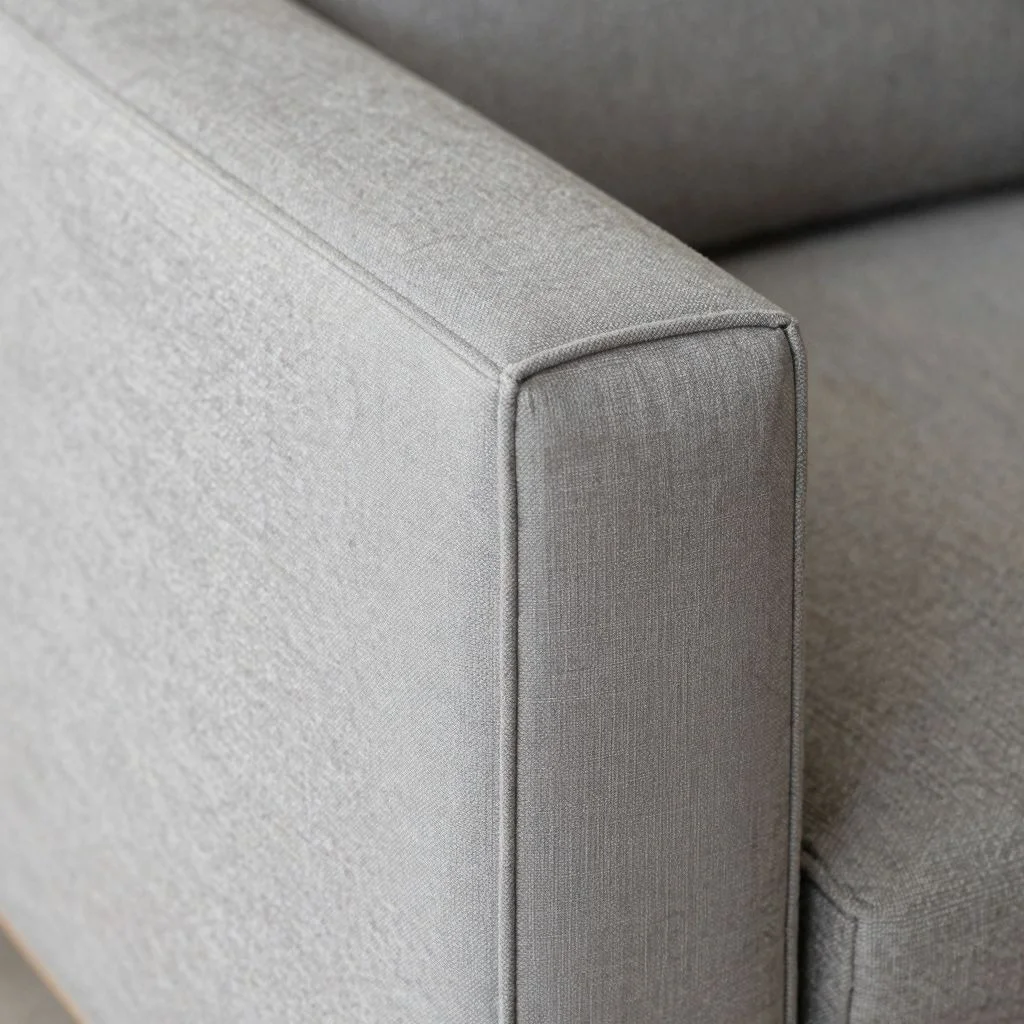
After I do the deck check, I go right back to the outside and study the piping, because it is one of the easiest tells for whether the upholstery was pulled tight on purpose or just wrestled into place.
When piping is done well, it reads like a clean drawn line. I look for it to stay straight along the front rail, stay even as it goes up the arm, and turn corners without that lumpy, drifting look.
What I do in a showroom is stand close and slowly trace the piping with my eyes, then I follow it with my fingertip. If it feels firm and consistent, like there is a cord inside that is the same thickness all the way along, I relax a little because it usually means the cover was cut accurately and sewn with control.
When piping looks soft and wavy, I assume one of two things happened, and neither makes me feel good. Either the cord inside is thin and squishy, or the fabric around it was cut off grain or stretched to make it reach, and that stretching is what tends to turn into wrinkles and bagginess after normal sitting.
Corners are where I focus. I look at the outside front corner of each arm, the front corners of the seat cushions if they are piped, and the top outside corners of the back. If the piping kinks, spirals, or flattens right at the corner, that is a sign the upholsterer was fighting the shape, and those are the same places that start to look tired first because people grab there when they stand up.
I also compare left and right. If the piping on one arm is crisp but the other arm has a slightly different curve or the spacing from the edge changes, I treat that as a consistency problem, and inconsistency is what makes a sofa look sloppy once the cushions soften and the fabric relaxes.
If you want a quick pressure test, pinch the piping gently between your fingers. On a better job it feels like there is a real “core” inside and the fabric is wrapped tightly around it, and on a cheaper job it can feel like nothing is in there at all, just a tube of fabric that can collapse and twist.
One thing I watch for that people miss is puckering along the piping seam. If you see tiny ripples marching along the line, especially on the front edge where your eye naturally lands, I take it as a hint the seam allowance was forced or the fabric is unstable, and those ripples usually get louder with use, not quieter.
If you are torn between two sofas and one has calmer, straighter piping, I would usually trust that one more, even if you cannot explain why it looks better. In my experience, clean piping is rarely an isolated miracle, it tends to come from a shop that is also more careful about how the whole cover is cut, aligned, and supported underneath.
3. Tufting: Real vs. Fake
Tufting is one of those details that can look “high end” from across the room while hiding a shortcut that shows up fast. I have seen sofas where the tufting looked crisp on the sales floor, then six months later the buttons were missing, the fabric was puckered, and the seat looked like it had acne scars.
What you want is true tufting, where the button is not just a decoration on the surface. In a real tuft, the button is tied off with a cord that runs through the padding and structure, so it is actually pulling the layers together and locking the foam in place instead of letting it drift and bunch.
In the showroom, I ask a blunt question and then I watch how they answer it. I say, “Are these buttons actually tied through, or are they just sewn on?” If you get a confident, specific answer, that is a good sign. If you get vague language like “decorative tufting” or “hand finished look,” I assume it is the cheaper version until proven otherwise.
Then I do a physical check that does not require tools. I pinch the fabric right next to a button and gently lift and wiggle it. On a real tuft, you usually feel the button resisting you, like it is anchored deep and the surrounding fabric is being held in tension. On fake tufting, the button can feel like it is sitting on top of the fabric, and the area around it can shift and bubble because nothing is actually pulling downward.
I also press down on the tufted area with my palm and watch what happens when I let go. With true tufting, the folds and valleys tend to spring back into the same “map” each time because the tie points are fixed. With false tufting, the folds wander, the button area can look sloppy after one sit, and the fabric starts to look like it is trying to find its way back to a shape it does not really have.
If the sofa has tufting on the back or inside arms, I look for symmetry. I want the buttons to sit in clean rows and I want the folds to look intentional, not random. When the spacing is uneven, it often means the cover was pulled and pinned where it landed, and that is the kind of thing that relaxes and sags later.
The other giveaway is the button itself. I lightly twist it between my fingers, not aggressively, just enough to see if it wants to rotate or lift. A surface sewn button can start to feel loose right away, and if it is already a little wobbly in the store, I assume you will be hunting for that button on your living room floor later.
I treat false tufting as a deal breaker on seats that get daily use, because that is where your weight and motion keep working the fabric. If you love the tufted look and you want it to stay looking sharp, I would rather you buy fewer tufts done properly than a deep diamond tuft pattern that is basically costume jewelry.
Technical Summary: The Inspection Checklist
When you have only a few minutes in a showroom, I fall back on three fast checks that tell me a lot without taking anything apart. I lift the seat cushion and look at the deck first, because it is the quickest way to see whether the maker treated the hidden surfaces as real upholstery or as a dust cover. If I see self decking, meaning the same upholstery fabric continues under the cushions, I take that as a good sign because it usually holds up better to friction and daily fussing with cushions. If I see black cambric, I press it lightly with my fingertip and look at how it behaves, because the flimsy stuff feels like it could tear at the front edge from normal grabbing and sliding.Then I check the seams like I am checking the zipper line on a jacket. If the sofa has a pattern, I stand square to the front and look for the pattern to meet cleanly at the seam instead of jumping or breaking like two unrelated pieces got stitched together. If it does not cross the seam well in the areas you stare at every day, like the front of the seat cushions and the inside arms, I assume speed won over care, and I do not expect that kind of work to look better after months of sitting and cleaning.
Last, I pinch the piping, because it is a simple little honesty test. When the piping feels firm and consistent, like there is a real cord inside and the fabric is wrapped tight around it, I trust the cover was cut and sewn with control. When it feels squishy or collapses between my fingers, I assume cheap filler or stretched fabric, and that usually shows up later as waviness, twisting at corners, and a sofa that never quite looks crisp again.
Explore Technical Reference
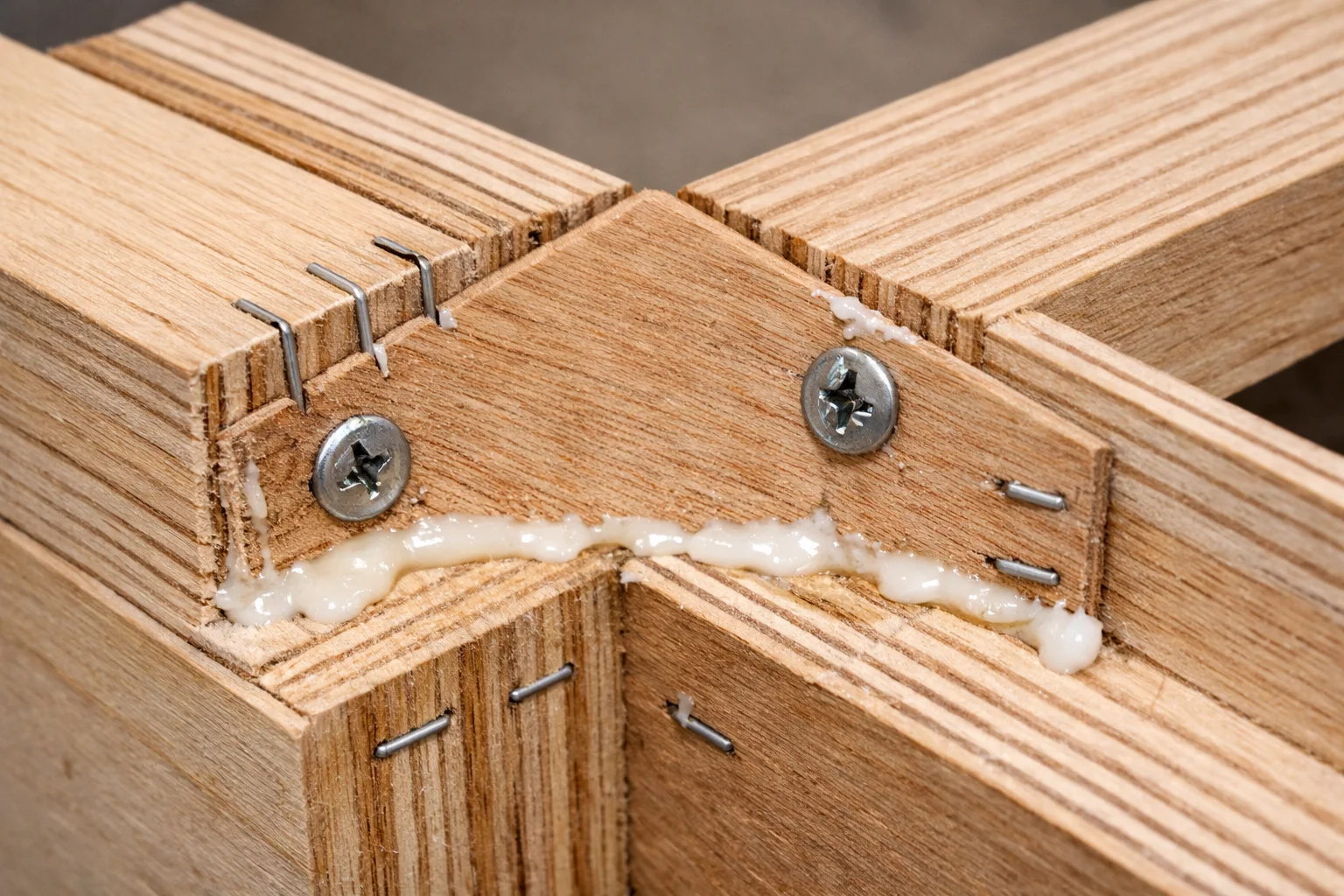
Plywood Frames: The "Engineered" Advantage
Why plywood frame quality varies dramatically from garbage to greatness. Understanding ply count, void content, and why some manufactured wood outperforms solid wood.
Analyze Details →
Foam Density vs. Firmness: The Difference Between Weight and Feel
Understanding the difference between density (weight) and ILD (firmness). Why the mass of foam predicts lifespan and why you cannot feel quality by hand.
Analyze Details →