The Rise of Frameless: Why Foam is Winning
Introduction
I learned the hard way that weight alone does not equal durability. I have owned sofas that felt reassuringly heavy on delivery day and still sagged into a hammock shape within a year. I have also lived in apartments where simply getting a traditional sofa inside felt like a punishment.
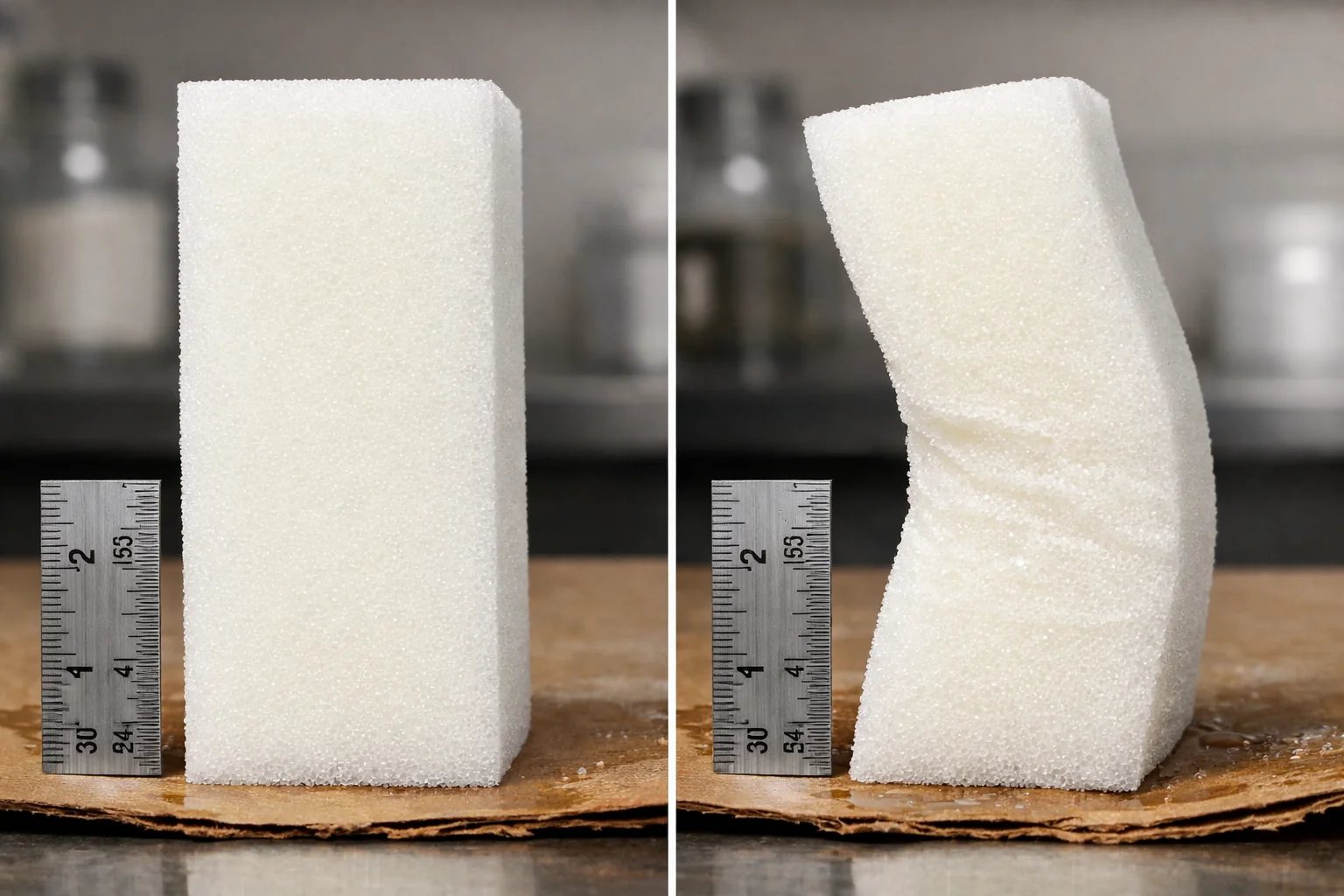
Frameless seating grew out of this tension. Instead of a wooden skeleton hidden under fabric, the structure comes from carefully shaped foam that supports itself. When it works, it solves real problems for people who live in smaller spaces and move more often.
What matters to you as a buyer is not the philosophy but the outcome. A frameless sofa should be easy to carry, easy to fit through tight doors, and comfortable without feeling mushy. If it fails at any of those, the clever geometry does not matter.
When you see one in a showroom, I want you to sit with intention. Sit down quickly instead of easing in and notice whether you hit the floor or feel held. Stand up and look back at the seat to see how fast it recovers its shape, because slow recovery is the first sign of foam that will not age well.
I also tell people to pay attention to edges. Perch on the front like you are tying your shoes and see if the seat collapses or keeps its form. Good frameless designs stay supportive at the edges because the foam density and shape are doing real structural work.
This guide exists because frameless seating can be either a smart modern solution or an expensive mistake. I am not here to sell you on the concept, only to show you how to tell the difference before the return window closes.
The "Move-In" Advantage
Traditional sofas are the item I see left on sidewalks most often during moves, and it is usually not because people stopped liking them. It is because rigid frames and fixed angles cannot make the tight turn in an old stairwell or elevator.Foam based sofas have an advantage here because the structure itself can compress. When you push on them, the shape gives temporarily and then rebounds, which means they can bend through narrow doorways that would stop a wooden frame cold.
Weight matters more than most people realize. A modular foam sofa is light enough that two people can carry it without straining or scraping walls, while a traditional three seater often feels like moving a piano.
When you are in a showroom, do not just think about how the sofa looks in your living room. I want you to imagine carrying it up your current stairs or into your next place, because most of us do not stay put forever.
Ask the salesperson how the sofa arrives. If it comes in multiple manageable pieces or compressed boxes, that is a real advantage during moves. If it arrives fully assembled and rigid, you are signing up for future logistics problems.
I also recommend you physically lift one section if you can. You are not being rude, you are testing reality. If you struggle to lift a single seat module, moving day will be worse than you expect.
Doorways are another quiet trap. I measure mine before I shop, and I encourage you to do the same. A sofa that barely fits on the showroom floor can be impossible to pivot through a 28 inch door at home.
The real value of easy movement is not just convenience. It reduces damage. Lighter, flexible sofas are less likely to gouge walls, snap legs, or rack their internal structure when forced through tight spaces.
I have learned that a sofa you can move easily is a sofa you keep longer. When moving does not feel like a crisis, you are less likely to abandon a piece that is otherwise serving you well.
This is where frameless designs can earn their keep. If a sofa cannot survive a normal move without drama, it does not matter how good it looks on day one.
Beyond the “Play Couch”
When most people hear modular foam seating, they think of children climbing on a Nugget. I did too, until I started seeing adult versions that behaved very differently once you actually sat on them.
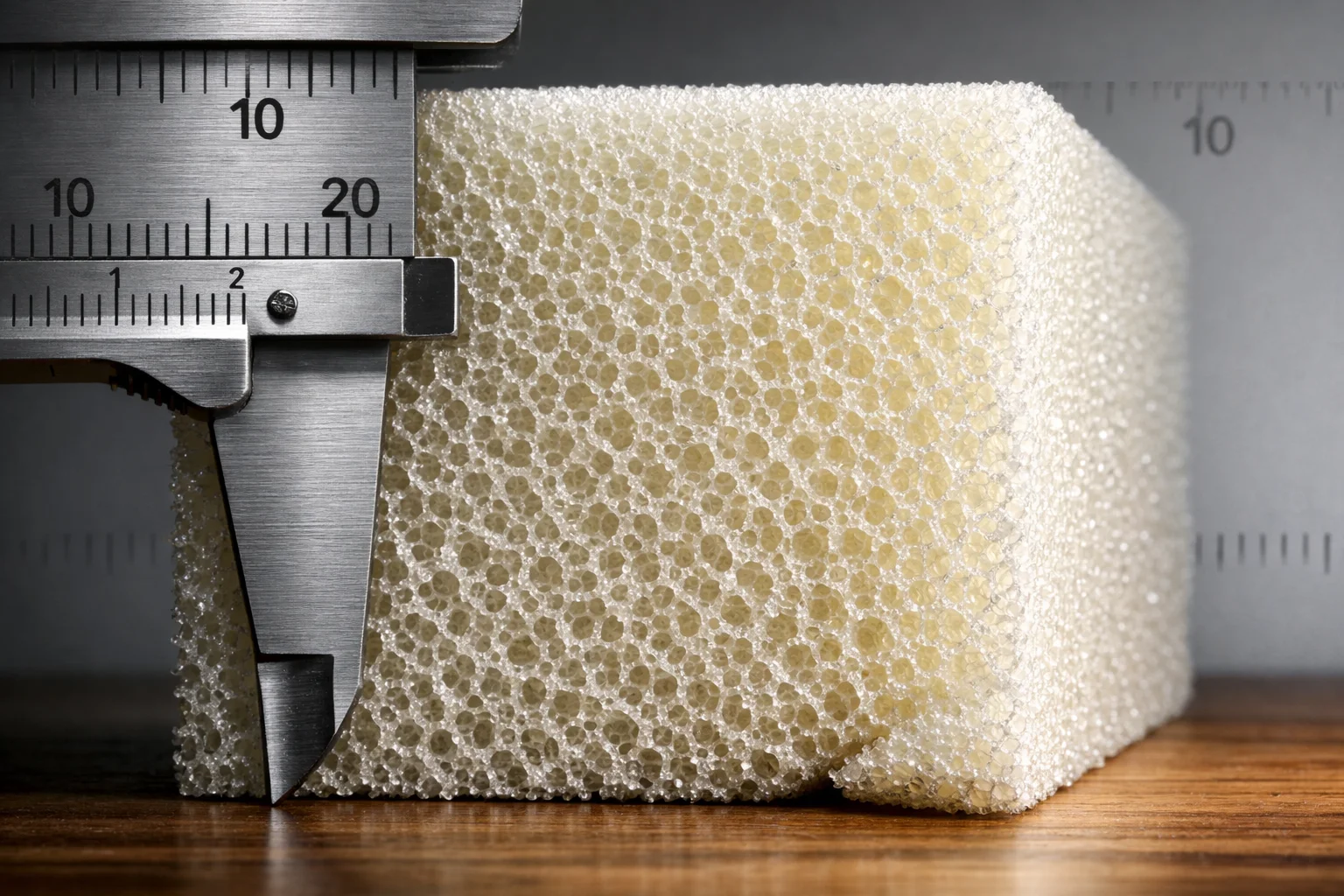
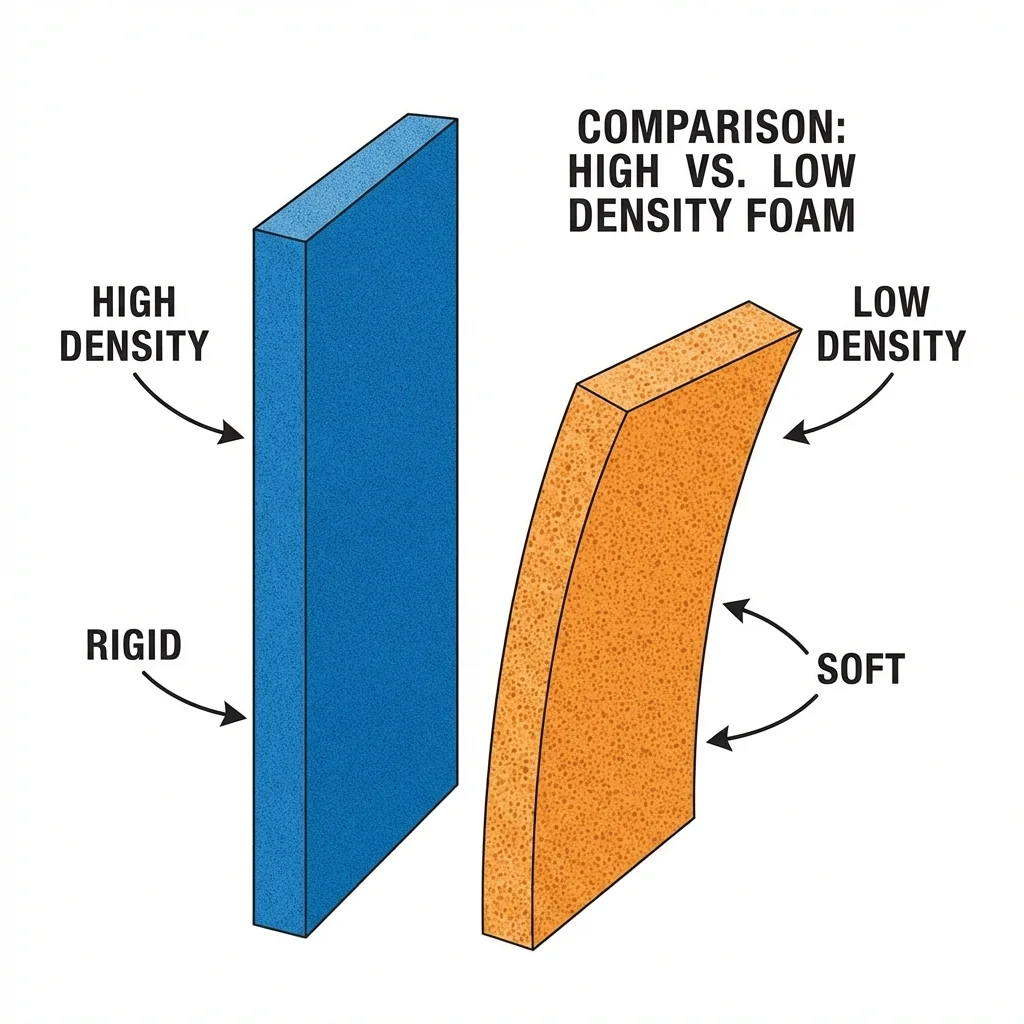
The first thing I check is the foam itself, because this is the entire structure. For adult use, the foam needs enough density to push back when you sit down, not slowly melt under you. In a showroom, that means you should be able to drop your weight onto a seat and feel resistance instead of a soft collapse.
I always ask how the foam behaves under adult weight, and I am listening for confidence, not marketing fluff. If the salesperson cannot tell you whether it is designed for daily adult sitting, that is a warning sign. Foam that works for kids often feels fine for five minutes and then reveals its limits over time.
Pay attention to how fast the cushions recover when you stand up. I look for a quick rebound that gets most of its shape back within a few seconds. If it stays compressed or shows a permanent dent, you are looking at early sagging in your future.
Covers matter more here than on a framed sofa. Many of these systems rely on friction instead of hardware to stay in place, so the fabric needs some grip. I rub my hand across the surface and press two pieces together to see if they slide easily or resist movement.
If the backrest is a loose triangular piece, try leaning into it like you would during a long movie. If it immediately slips away from you, that friction is not doing its job. A good setup stays put through gravity and fabric alone, without velcro or straps.
One of the real strengths of these sofas is layout flexibility, but only if the pieces feel stable once arranged. I suggest you ask the staff to show you more than one configuration, then actually sit on each one. Some designs only feel good in their ideal setup and fall apart ergonomically when you change it.
I also think about how I would really use it at home. If you plan to sprawl, nap, or host guests, try those positions in the showroom. Lie down fully and notice whether your hips sink lower than your chest, because that gets uncomfortable fast.
What I like most about well executed modular foam sofas is that they do not pretend to be something they are not. They trade a formal silhouette for adaptability, and that can be a smart choice if the materials are honest.
What I want you to remember is that adult versions should feel deliberately engineered, not like oversized toys. If it feels playful but not supportive, it is probably borrowing the look without the substance.
When this category is done right, it gives you options without locking you into a single shape or space. When it is done wrong, it becomes a pile of expensive cushions that never quite behave.
I trust these sofas only when they earn it through how they feel under real use. If you test them like you live, they will usually tell you the truth before you buy.
Functional Fluidity
When I talk about functional fluidity, I am talking about how a sofa behaves when your life changes around it. A frameless sofa should adapt to you without needing tools, instructions, or a new purchase.
In a showroom, I want you to rearrange it yourself. Do not just watch a staff member do it. Pick up a section, rotate it, and place it back down to see if it feels intuitive or awkward.
Pay attention to how the pieces meet the floor. When you slide a section into a new position, it should land flat and stable. If it rocks or feels tippy, that instability will show up every time you shift your weight at home.
I also check whether the sofa punishes you for small changes. Some designs only work when every piece is perfectly aligned. A good one still feels comfortable if things are slightly off, because real rooms are never perfect rectangles.
Think about your actual routines. If you work from the sofa, try setting it up as a chaise and sit upright for a few minutes. Notice whether your lower back feels supported or whether you start to slouch immediately.
If you host people, simulate that too. Sit with someone else on a shared surface and notice whether the foam pushes you together or lets you stay comfortably separate. Foam that migrates too much can make shared seating feel awkward fast.
One thing I have learned to test is transition speed. Move the sofa from a lounge shape to a more upright one and time how long it takes. If it feels like a project, you will stop doing it after the novelty wears off.
Functional fluidity also means the sofa does not fight gravity. Stack or angle pieces the way the design suggests and then lean into them with confidence. If a backrest slowly creeps away from you, that flexibility is working against you.
I am especially cautious of designs that rely on perfect friction between fabrics. Over time, covers get smoother and dust changes how surfaces grip. In the showroom, push two pieces together firmly and then shift your weight to see if they stay married.
I also ask myself whether the flexibility creates clutter. Some modular systems look great in motion but feel messy when left alone. Imagine the sofa untouched for a week and decide if you would still like how it sits in your room.
What I appreciate most about true functional fluidity is that it reduces regret. You can change how the sofa works without replacing it. That only holds true if the comfort remains consistent across those changes.
If a sofa only feels good in one configuration, it is not fluid, it is just modular in theory. I trust designs that feel forgiving, stable, and comfortable no matter how I rearrange them.
When you find one like that, you are not just buying a sofa. You are buying time, because it can evolve with you instead of forcing a replacement when your space or habits shift.
The “Hatchback” Metric
The "Hatchback" Metric
I use a simple test to cut through marketing claims. I ask myself whether I could fit my entire seating setup into a standard hatchback if I had to move tomorrow.If the sofa is frameless and made of stackable blocks, the answer is usually yes. You can load the pieces yourself, make multiple trips if needed, and avoid renting a truck or hiring movers.
If the sofa has a rigid wooden frame, the answer is almost always no. At that point you are dependent on professional movers, perfect door angles, and a lot of luck.
This metric is not about being cheap or extreme. It is about control. I want to know whether I own the sofa or whether it owns me the moment my living situation changes.
When you are in a showroom, look at the largest individual piece and imagine lifting it into your car. If that thought immediately feels impossible, you are learning something important about your future moving day.
I am not saying you need to actually plan to move it in a hatchback. I am saying that furniture designed with that possibility in mind is usually lighter, more forgiving, and less fragile over time.
Ask the salesperson how many people are required to move each section safely. Listen carefully to the answer. If they hesitate or start talking about special handling, that is a quiet warning.
I also look for whether the pieces can be stacked cleanly. In the showroom, ask if they can show you how the sections nest or pile. If they slide off each other or feel unstable, packing them will be harder than advertised.
The hatchback test also reveals something about long term durability. Furniture that must stay upright and rigid to survive a move is often stressed during that process. Foam based pieces that can be laid flat or stacked tend to come through moves without hidden damage.
I have lost count of how many framed sofas looked fine on the outside and felt wrong after one bad move. Twisted frames and loosened joints rarely announce themselves right away, but you feel them every time you sit.
A sofa that can survive being loaded, stacked, and unloaded by normal people is usually a sofa that tolerates real life. Kids jumping, adults flopping down, and the occasional clumsy rearrangement all fall into that same category of stress.
If you live in a city, this matters even more. Tight stairwells, street parking, and small elevators turn moving into a test of physics. The more flexible the furniture, the fewer compromises you have to make.
I think of the hatchback metric as future proofing. Even if you own a house now, life has a way of changing plans. Furniture that assumes permanence often becomes disposable faster than you expect.
When a sofa passes this test, I relax. I know I am not buying something that will trap me or force a bad decision later just because it cannot go where I need it to go.
That peace of mind has value. It does not show up on a spec sheet, but you feel it the first time you move without panic.
Friction, seam strength, and underlay grip
When a sofa has no wood frame, the fabric is not decoration. It is part of the structure. If the fabric fails, the sofa loses its shape and its stability, even if the foam underneath is good.
The first thing I test is friction. I sit down, lean back, then deliberately shift my weight sideways like I would during a long evening. If the pieces slide apart under normal movement, that sofa is asking the fabric to do a job it cannot keep doing as it wears.
You can test this with your hands before you even sit. Press two sections together and try to slide them against each other. I am looking for resistance, not stickiness, because sticky surfaces attract dust and lose grip over time.
Fabric choice matters here in a very practical way. Smooth weaves and slick performance fabrics often look great under showroom lights, but they tend to migrate when gravity gets involved. Slightly textured fabrics usually behave better because they create friction without relying on coatings.
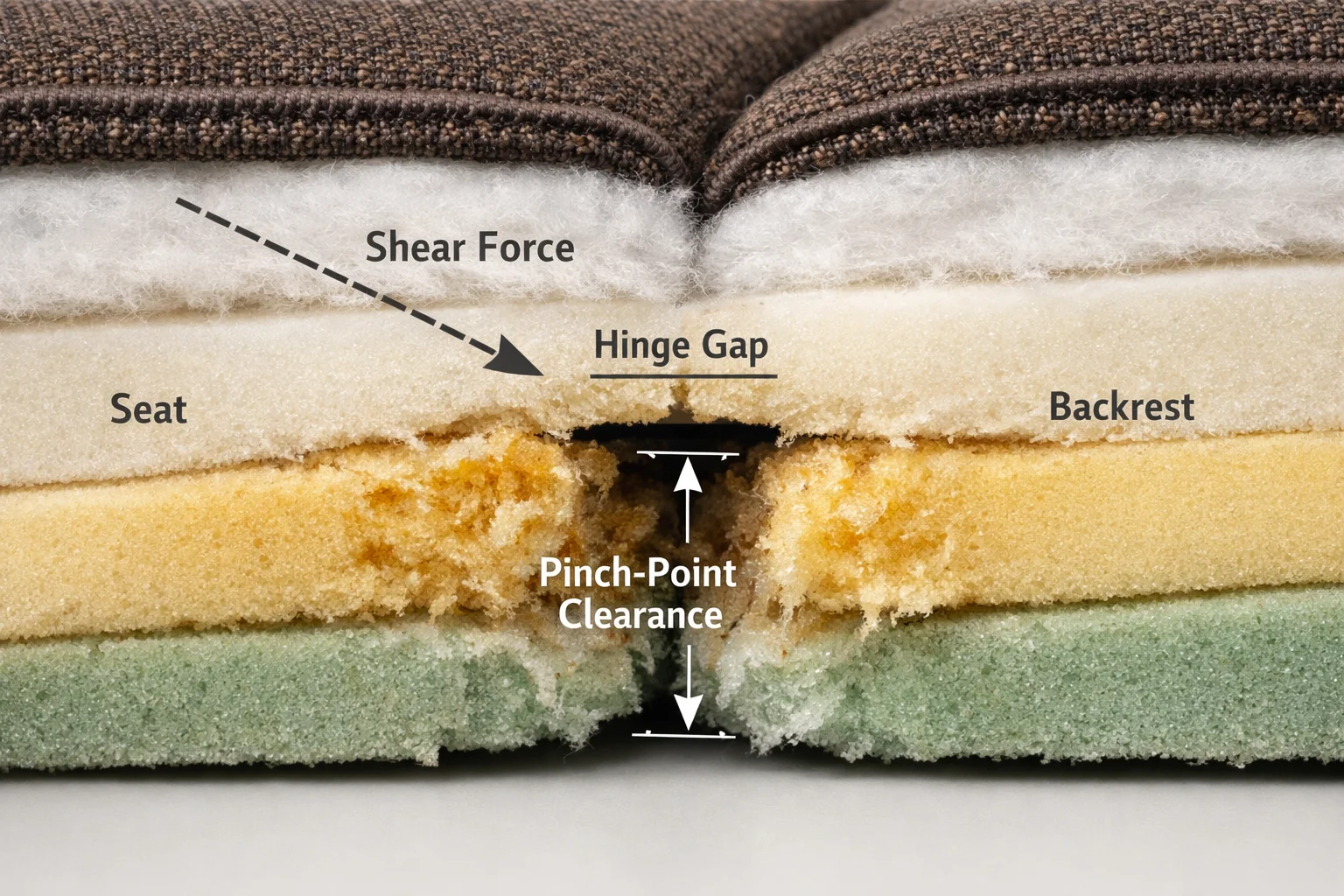
Seam strength is the second quiet failure point. On frameless sofas, seams carry load every time you sit, especially at edges and corners. I run my fingers along the seams and gently pull the fabric on either side to see if the stitching feels tight or stressed.
I also look at where the seams are placed. If a major seam runs right across the front edge where people perch, that thread will be under constant tension. Over time, that is where tearing or stretching shows up first.
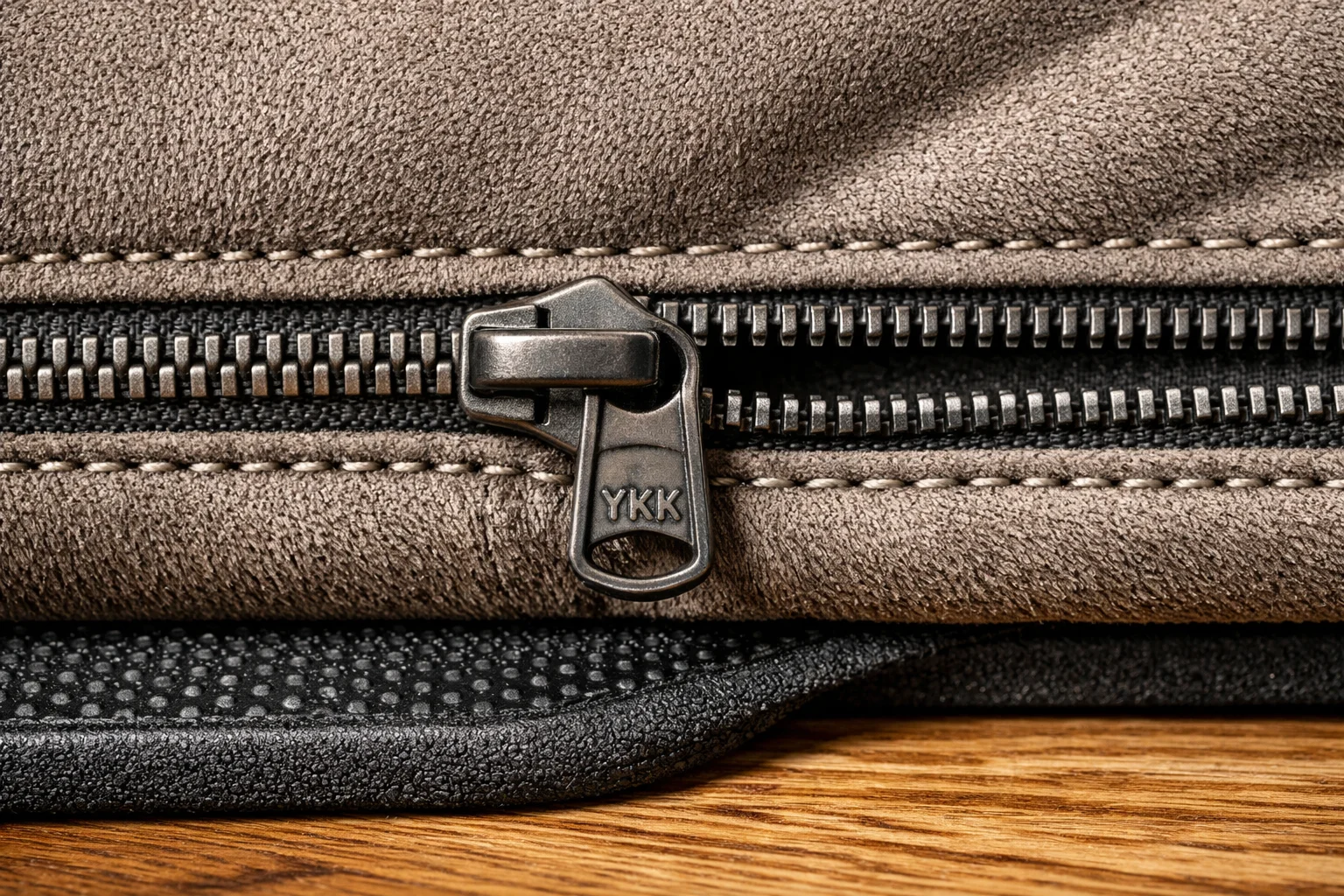
Zippers tell a story too. A heavy zipper with fabric folded cleanly into it usually means the cover was designed to be removed and reinstalled many times. A tiny zipper hidden under tension feels more like an afterthought.
Underneath the sofa is where most people never look, but I always do. The bottom surface replaces legs and frames, so it needs grip. I tip a section slightly and check whether the base fabric feels rubberized or textured instead of smooth.
In the showroom, try pushing the sofa across the floor with your knee. If it skates easily on hardwood or tile, it will wander at home every time you sit down. A good underlay stays planted without needing constant adjustment.
This matters even more if you have rugs. A sofa that slides on bare floors will behave unpredictably on a rug, sometimes gripping too much in one direction and not enough in another. That uneven resistance makes the whole setup feel sloppy.
I also think about aging here. Fabric friction usually decreases over time as fibers compress and polish. If the sofa barely holds together when it is new, it will not improve with use.
What reassures me is when the stability feels boring. When I forget about the sofa moving at all, that means friction, seams, and underlay are quietly doing their jobs without demanding attention.
A frameless sofa lives or dies by these details. You are not being picky by checking them. You are recognizing that without a frame, every stitch and surface has real structural responsibility.
If the salesperson waves this off as cosmetic, I push back politely. A sofa that relies on fabric for structure cannot afford weak fabric choices. When these elements are done right, the sofa feels confident. When they are not, no amount of foam can save it.
The Aesthetic Trade-off
This is where frameless sofas ask something from you in return. They sit low, usually under ten inches off the floor, and that changes how a room feels the moment you place one in it.
I notice this most in showrooms with mixed furniture. A frameless sofa tends to read as relaxed and grounded, sometimes even casual to a fault. If you are used to sofas with legs and visible space underneath, the lack of air can feel heavier than you expect.
Stand back and look at it from across the room. If it visually dominates the floor instead of floating in the space, ask yourself whether that fits your home or fights it. In small rooms, that solid look can either feel cozy or make the room feel shorter and tighter.
I always imagine the coffee table and rug with it, not just the sofa alone. Low seating pairs best with low tables and minimal clutter. If everything else in your room is tall and delicate, the contrast can look accidental instead of intentional.
There is also a practical side to this low profile. Getting up and down feels different. In the showroom, sit down and then stand up without using your hands. If that feels like work now, it will feel like work every day.
The other aesthetic compromise is placement. Most frameless sofas need a wall behind them to function properly. Without a rigid frame, the backrest depends on something solid to push against.
Test this directly. Pull the sofa a foot away from the wall in the showroom and lean back like you would at home. If the back shifts, sinks, or feels uncertain, that sofa is telling you it wants wall support.
This means you should not plan to float it in the center of a room unless the design explicitly supports that, and most do not. Sales photos often show open layouts that look great but rely on invisible supports or idealized setups.
At home, this limits how you can zone a space. If you were hoping to use the sofa as a room divider, a frameless design may disappoint you. Against a wall, they feel confident. Away from one, many feel unfinished.
I think this is less about right or wrong and more about honesty. If your room already works around walls, the trade off is small. If your layout depends on furniture doing architectural work, a frameless sofa is the wrong tool.
What helps me decide is imagining the sofa staying put for a year. If I am constantly adjusting pillows, nudging pieces back, or wishing it could sit elsewhere, the look is not worth the compromise.
When the aesthetic fits the function, these sofas feel intentional and calm. When it does not, they can feel like oversized floor cushions pretending to be furniture.
I accept the trade off only when I like the result without excuses. If you find yourself explaining why it looks good, keep looking.
Technical Summary: Frameless Survival Guide
When I strip all of this down to what actually keeps a frameless sofa alive, foam density sits at the top. I will not buy anything intended for daily adult use if the density is below about one point eight pounds. In a showroom, you can ask directly what the density is and then judge the answer by how quickly and confidently it is given. If the staff cannot tell you or deflects into vague comfort language, assume it is lower than you want and move on.
Zippers are the next thing I look at, even though most people ignore them. On a frameless sofa, the cover is under constant tension because it is helping hold the shape together. I unzip a section slightly if allowed and look for a substantial zipper, ideally something equivalent to a YKK number five or larger. In practical terms, that means the teeth look chunky and the fabric around the zipper is folded and reinforced, not stretched tight. A small, delicate zipper is a failure point waiting to happen because once it pops, the whole piece loses integrity.
Finally, I think about how the sofa meets the floor. Without legs or a frame, sliding becomes the enemy. If the sofa includes blocks or base sections, I want some way to keep them planted. In the showroom, I push the setup with my knee and see if it drifts. At home, a simple rubberized non slip pad under the base can make a dramatic difference, especially on hardwood. That little bit of grip replaces the stabilizing role a wood frame would normally play and makes the whole sofa feel intentional instead of temporary.
If you remember nothing else from this guide, remember this. In a frameless sofa, foam density, fabric tension, and floor grip are not minor details. They are the structure. When those three things are handled honestly, the sofa usually holds up. When any one of them is compromised, the problems show up fast and they rarely get better with time.