Frame Quality: The Showroom Audit Checklist
Introduction
If you have ever had a sofa start squeaking, sagging, or feeling lopsided after a year or two, you already know the dirty secret. The stuff you can see, like the fabric and the shape, is rarely what decides whether it will still feel good later.
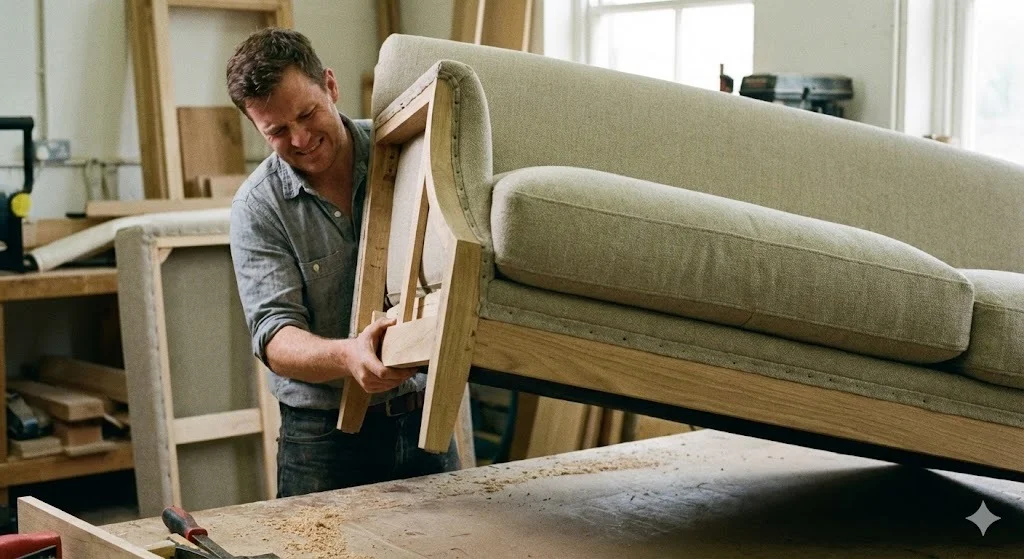
I learned this the hard way, which is why I once lifted the corner of a $3,000 sofa in a showroom, and the salesperson looked at me like I was insane. I wasn’t being rude, I was running the “Torque Test.” The frame is the only part of a sofa you cannot see, so you must use your hands to audit the bits they are hiding.
Here is what I mean by that test in plain terms. You grab one front corner, just a few inches off the floor, and you pay attention to what the rest of the sofa does. A solid sofa will move like one unit, with the opposite corner wanting to come up with it, and without a crunchy noise, a creak, or a twist you can feel in your wrists.
A weak sofa will tell on itself fast. You will feel the frame rack, meaning the rectangle turns into a sloppy parallelogram, and you will see the legs or base fight each other instead of moving together. If you can make it wobble with one corner lift, picture what daily plopping, flopping, and kids climbing will do to it.
I also do a quick sit test that is less about comfort and more about structure. I sit on one end, then the other, and I watch the arm and back for any delayed sway or shudder, like it is catching up after I stop moving. That lag is a clue the frame or joints are flexing more than they should, and that is the kind of flex that turns into looseness later.
You do not need to be an expert to do any of this, you just need to be willing to look slightly annoying for thirty seconds. If a salesperson tries to stop you, I treat that as useful information, because a good store with a good product usually expects you to touch, lift, and actually test what you are about to live on.
This guide is going to stay in that lane on purpose. I am not here to help you memorize wood species or foam chemistry, I am here to help you walk into a showroom and quickly separate a sofa that is built to last from one that is built to photograph well.
The Shake Test is Mandatory
I do not just sit on a sofa and call it a day. I get a little disruptive, because the showroom is the only time you can stress the frame before it lives in your house and starts failing quietly.First I lift one front corner, roughly six inches is plenty, and I watch what the rest of the piece does. If the opposite corner tries to come up with it and the whole sofa feels like a single solid box, that is what you want. If the base twists, the far end stays planted, or you feel a sloppy wring through the arm and back, I treat that as the sofa telling me the joints are not doing their job.
Then I put the corner down and I push the arm sideways, not violently, just like I am trying to scoot the sofa over an inch without lifting it. A sturdy sofa will resist and spring back without a wobble, and the motion will feel damped, not rubbery. If the arm moves independently of the seat, if the back ripples, or if you hear a squeak that repeats when you do it again, I assume that tiny flex is going to become looseness once people start using it every day.
Last, I knock on the back panel with my knuckles, especially across the middle and near the corners. I am not checking for “good sound” like a guitar, I am checking for flimsy behavior, like a hollow druminess, rattling, or a back that visibly vibrates after the tap. If the back feels thin and boomy and the sofa shudders from a simple rap, it is usually a sign they saved money in places that matter, and that savings tends to show up later as creaks and wobbles.
If any of these tests makes the salesperson tense, I stay polite and keep testing. You are spending real money, and you are allowed to find out if it is sturdy or if it is just pretty.
1. The Lift Test (Torsional Rigidity)
When I say “lift test,” I mean I am checking whether the sofa frame behaves like a rigid box or like a loose bundle of sticks held together by optimism. If the frame is truly square and well-braced, it resists twisting, so force in one corner transfers through the whole structure instead of just wringing that corner.
In the showroom, I go to the front left corner and I lift it about six inches off the floor. I do not need to heave it high, I just want enough clearance to see what the other front leg does and to feel what the frame does through my hands.
What I want is for the front right leg to start lifting almost immediately, even if it only unweights at first. When that opposite leg wants to come with it, the whole piece feels like one solid unit, and my wrists do not feel that spongy twist that screams “something is flexing where it should be locked.”
What I do not want is for the front right leg to stay planted like nothing is happening while the lifted corner climbs. That is the classic “racking” behavior, where the rectangular frame distorts into a skewed shape, and it is the exact motion that turns into squeaks, loose joints, and that annoying feeling that the sofa is never quite level.
I also pay attention to the sound and the timing. If it groans, crunches, clicks, or makes a squeak that repeats when I do the lift a second time, I assume the frame is already moving against itself, and it is only going to get louder once humidity, seasonal swelling, and daily use start working those joints.
If the sofa is so heavy or so wide that lifting one corner feels unrealistic, I still do the test, I just treat it like a partial lift and focus on whether the far corner unweights and whether the base tries to twist. Even a big sectional should behave like it has a spine, not like it is hinged in the middle.
If a sofa fails this right on the sales floor, I do not negotiate with myself about it. My rule is simple: if it racks in the store, it will squeak in your home, because you are not going to treat it more gently than the showroom already has.
2. The Arm Wiggle (The “Oil Can” Test)
After the lift test, I go straight to the arms, because the arm takes a ridiculous amount of abuse in real life. People perch on it to put on shoes, kids climb it, guests use it like a chair, and someone will eventually flop onto it sideways.
In the showroom, I grip the end of the armrest with both hands and I push it side to side, not violently, just like I am trying to shift the sofa an inch without lifting it. I am paying attention to whether the arm feels locked into the body of the sofa, or whether it moves with that separate, delayed wobble that turns into squeaks later.
What I want is boring resistance. A good arm feels rock solid, like it is part of a single box, and when I stop pushing, it stops immediately with no follow through.
What I do not want is the “oil can” feeling, where the side panel bows inward under my hands and then pops back out, like a cheap soda can. When I feel that flex and pop, I assume the side is thin Masonite, cardboard, or some other flimsy panel that is being asked to act like structure.
If you are not sure what you are feeling, put your fingertips against the outside of the arm panel while you wiggle it. If the panel visibly ripples, or if you can feel it dish in and out, that is the exact weakness that gets worse once the fabric relaxes and the staples and fasteners start working loose.
I also watch the seam lines and piping around the arm while I do it. If the upholstery shifts relative to the frame, or if you see the arm skin slide and then settle back, it is usually a sign the panel underneath is flexing, not that the fabric is “soft.”
When a sofa fails this test, I stop imagining I will be the careful owner who never sits on the arm. I assume normal life will happen, and that arm will become the first place the sofa feels loose, sounds noisy, and looks tired.
3. The Thud Test (Density Audit)
After I check for twist and arm wobble, I do what I call the thud test, because it is a quick way to “hear” how much real material is under the upholstery. I am not trying to be cute about sound, I am trying to catch the sofas that are basically a thin shell stretched over air.
In the showroom I kneel down so I am close to the lower structure, then I knock with my knuckles on two places that tend to give away cost cutting. I knock on the outside of the arm, right around the middle of the side panel, and I knock on the front rail, which is the horizontal piece under the front edge of the seat where your calves end up when you sit.
What I want to hear is a dull thud. That usually means there is real wood thickness, decent blocking, or at least enough padding and structure behind the fabric that the panel is not acting like a drum skin.
What I do not want is a hollow thwack, a boomy echo, or that papery vibration where the whole panel buzzes after your tap. When I hear that, I assume the maker used a thin sheet material or a lightly braced panel that is only there to hold fabric, not to stay rigid for years.
I also pay attention to whether the tap makes anything rattle. If a simple knock makes the sofa chatter, like something inside is lightly touching something else, I take it as an early warning that staples, clips, or fasteners are already living on the edge.
If you want to make this test more reliable, do it in a few spots instead of just one. I knock near the front of the arm, then closer to the back, and I compare the sound near the corners versus the middle, because weak panels often sound “tight” at the edges and hollow in the center.
When the thud test fails but the sofa still looks amazing, I remind myself what I am buying. I am buying a frame and a foundation that will be stressed thousands of times, and a hollow, vibrating panel is almost never the start of a long, quiet relationship.
4. The Center Leg Check
Once a sofa gets past about 80 inches wide, I stop assuming the base can just “span the gap” forever. Long sofas are basically little bridges, and the part doing the bridging is usually the front rail, the horizontal structure right under the front edge of the seat.
In the showroom, I crouch down and look underneath the middle of the sofa, right where two people would naturally sit side by side. I am looking for a real center support leg, sometimes called a fifth leg, and I want to see it actually touching the floor, not hovering a quarter inch above it.
If you see nothing in the middle, or you see a token leg that is not making contact, I treat that as a red flag even if everything else feels solid. Without center support, that long front rail is being asked to hold itself up for years while gravity and repeated loading slowly encourage it to bow.
The reason I care is simple: when the front rail sags, the seat starts to feel like it is sliding forward and dipping in the middle, even if the cushions are still decent. Then the sofa often develops new noises, because a bowed rail changes how everything lines up, from the springs or webbing to the joints at the corners.
I also put my hand on that center leg and give it a small wiggle to see if it is planted or just loosely threaded into a bracket. If it feels flimsy, or if the bracket looks like thin metal stapled into soft wood, I assume it will loosen, and once it loosens the sofa is back to spanning a gap again.

If the store has the sofa on a thick rug, I pay extra attention because rugs can hide a problem. I look for an adjustable foot on the center leg, and if it has one, I want to see that it is extended enough to be doing real work, not just decorating the underside.
When a salesperson says, “It doesn’t need it,” I do not argue, I just file it under wishful thinking. A wide sofa that has a center leg firmly on the floor is one of those boring details that usually signals the maker is building for long term use, not just for the first impression.
The Warranty Signal
I treat the warranty like the manufacturer placing a bet on how long the sofa will stay out of trouble. A short warranty usually means they are comfortable with the idea that the real problems show up right after the coverage ends, which is exactly how a “looks great in the showroom” sofa behaves once you live on it.When I see a one year warranty, I read it as disposable even if the price tag tries to say otherwise. The first year is when obvious defects reveal themselves, so a one year promise does not tell me they trust the frame, it tells me they are only promising it will survive the honeymoon.
Five years is what I consider normal mid range behavior, not a brag. It suggests the maker expects the sofa to hold up for a while, but it does not automatically mean the structure is truly overbuilt, it just means the company is willing to support it through the most common early failures.
When I see “lifetime,” I slow down and read the fine print, because the word is doing a lot of work. A real lifetime structural warranty can be a strong signal that the frame and joints are not built to barely pass, they are built with margin.
The trick is that many warranties hide behind the phrase “manufacturing defects,” which sounds comforting but often covers almost nothing you care about in year three. In the store, I ask to see the actual written warranty, not the marketing tag, and I look for explicit language that covers the frame structure, the joinery, and the load bearing parts, not just defects discovered on day one.
I also ask one simple question that usually cuts through the fog: “If the seat starts to sag because the frame or seat foundation loosens, is that covered, and for how long?” If they cannot answer clearly, or if the answer turns into “that’s normal wear,” I treat the warranty as basically decorative, no matter what the headline says.
Even a good structural warranty is only as useful as the process to use it, so I ask how claims work. If the remedy is vague, if you have to pay shipping both ways, or if the solution is a pro rated credit that buys you a fraction of a new sofa, I mentally downgrade the promise, because I have seen how quickly a “covered” problem turns into “not worth the hassle.”
What I do in practice is let the warranty confirm what my hands already told me. If a sofa feels rigid in the lift test, stays quiet in the arm wiggle, has real center support, and then backs it up with clear frame coverage for a long stretch of time, that alignment is what makes me comfortable buying.
Technical Summary: The Hidden Specs
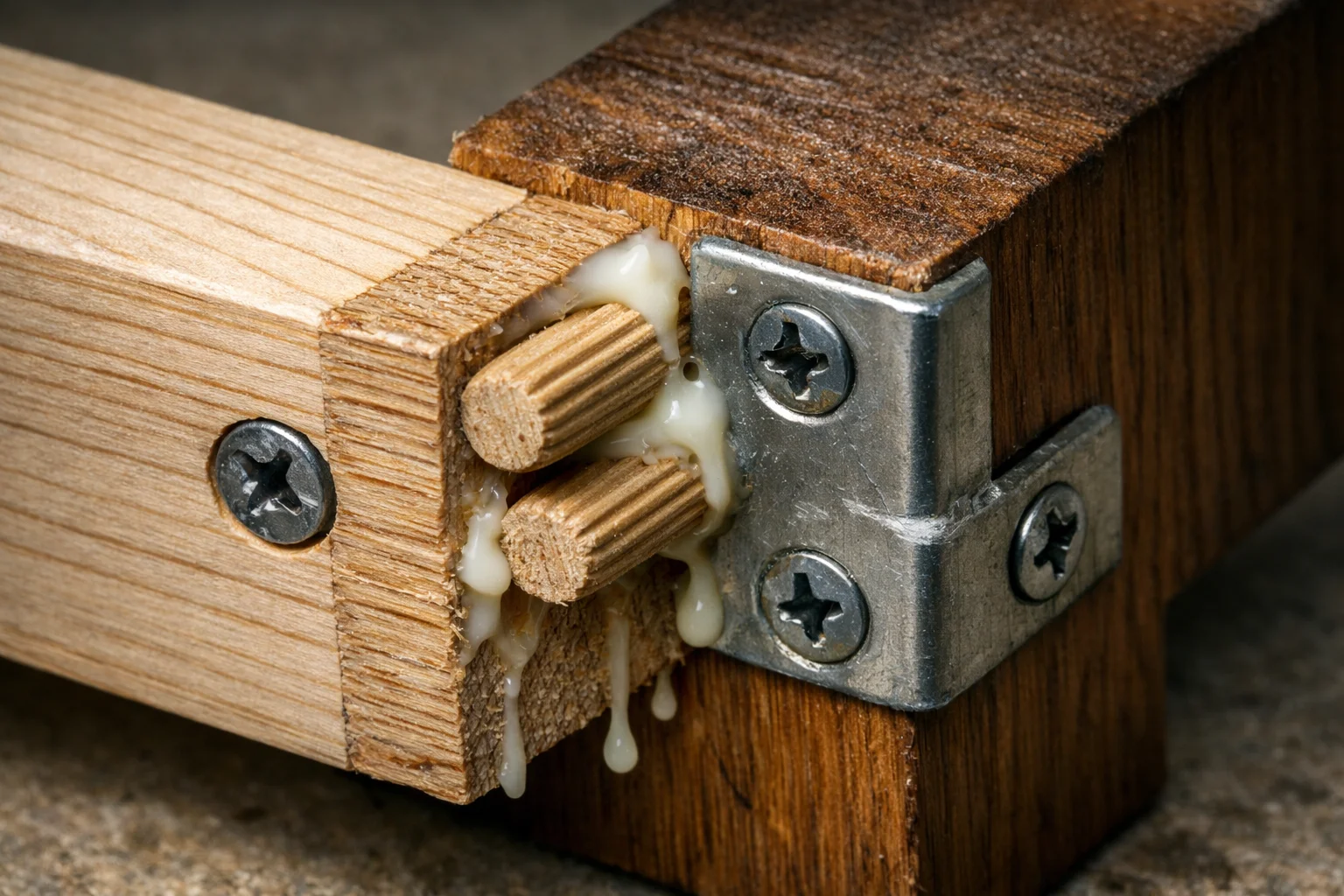
If a sofa feels good in my hands but I still cannot tell how it is built, I ask for the spec sheet. I do not mean a glossy brochure with lifestyle photos, I mean the boring document that spells out frame materials and how the joints are fastened. If they cannot produce anything specific, or they get evasive, I treat that like a clue that the hidden parts are not a selling point.When I read the sheet, the first line I look for is how the frame is joined. The language that reassures me is something like “double doweled, glued, and screwed,” because that usually means the connection is doing real work in more than one way. When I see staples as the main fastener, I assume the joints will loosen as the wood moves with seasons and the sofa gets twisted by normal use, and I expect squeaks and wobble to show up later even if it feels fine today.
Next I look for corner blocks, and I want them in all four corners of the main frame, not just “reinforced corners” in a vague sense. In the showroom, I will sometimes crouch and look up under the front corners with my phone flashlight, because you can occasionally spot the block or at least confirm there is real bracing where the rails meet. If the salesperson says they are there but cannot show you or confirm it in writing, I assume they are not there, because corner blocks are one of those cheap, unsexy upgrades that good builders are happy to point out.
Then I check what the frame is actually made from, because the label “hardwood” is often used like a magic spell. I am looking for kiln dried hardwood or marine grade plywood, and what I like about those terms is that they hint at stability, not just strength. If you cannot get a straight answer and you hear phrases like “engineered wood” with no detail, or “hardwood solids where it counts” with no map of where it counts, I assume there is a mix of softer wood and thin panel material in places that will flex.
If you only take one practical move from this section, make it this. If you cannot lift it and trust your hands, slow down and ask for the written build details, then buy the sofa that is specific about joints, specific about corner reinforcement, and specific about frame material. In my experience, the vague sofas are the ones that feel like a gamble a year from now.
Explore Technical Reference
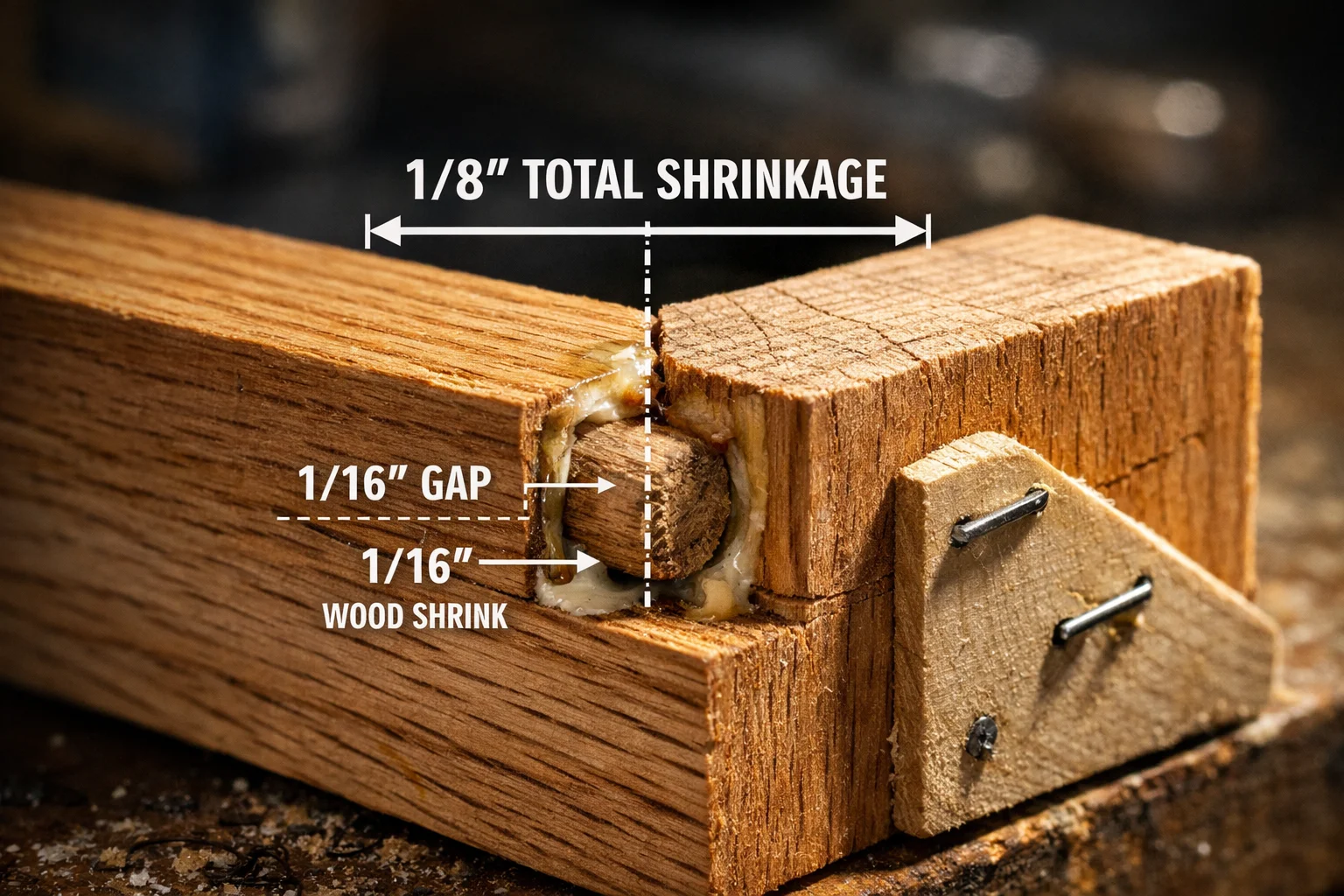
Kiln-Dried Wood: Why It Is Mandatory
The difference between green wood and properly dried wood. Understanding why moisture content determines whether frames last decades or fail within months.
Analyze Details →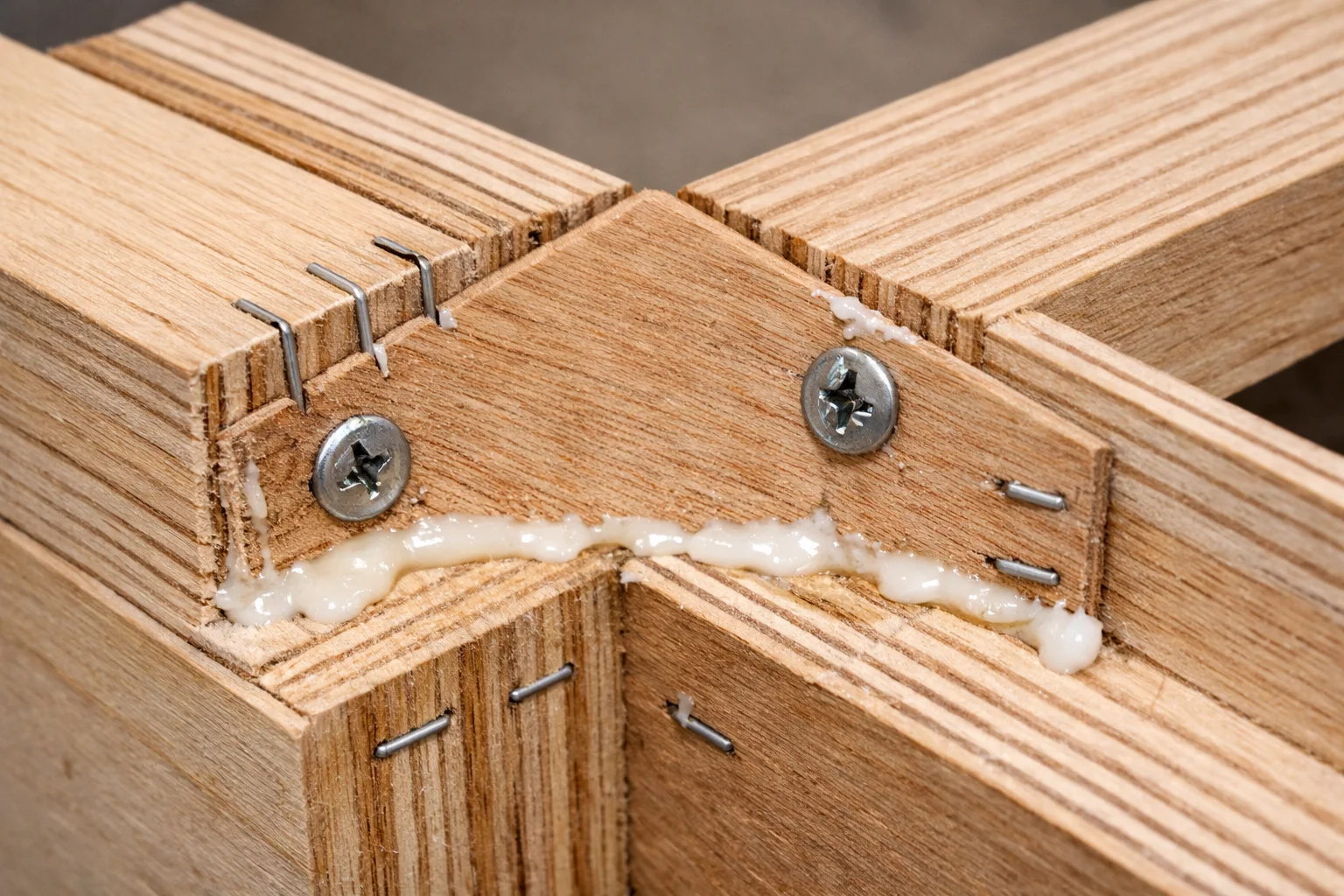
Plywood Frames: The "Engineered" Advantage
Why plywood frame quality varies dramatically from garbage to greatness. Understanding ply count, void content, and why some manufactured wood outperforms solid wood.
Analyze Details →