Furniture Negotiation Tactics: Why Sticker Price is Just a Starting Point
Introduction
The marked price on a sofa often feels like an established fact, like it is printed on a tag and therefore it must be fair. What I learned the hard way is that furniture pricing is often negotiable, and the way many stores run it can feel closer to a car lot than a normal retail shop.
If you walk in assuming the ticket is the only price, you are volunteering to overpay. I want you to walk in assuming there is room, then use the store’s own rules and timing to find it.
One simple mindset shift helps right away: treat the price tag as a starting point, not a verdict. When you ask, do it calmly and directly, and make it about the exact sofa in front of you. I usually say, “What is your best out the door price on this exact configuration, including delivery?” because it forces the conversation away from vague discounts and toward the number that actually hits your bank account.
I also do not negotiate until I have verified what I am buying. It is easy to get distracted by a discount and miss the basics, like whether the floor model is sagging, whether the seat feels supportive after a few minutes, or whether the cushions look like they will pancake quickly. A cheap sofa that needs replacing in a couple of years is not a deal, it is just a faster way to pay twice.
You will hear a lot of pressure language, like “today only,” “someone else is looking at it,” or “this sale ends tonight.” Sometimes there is a real promotion, but a lot of the urgency is just a script, so I slow everything down and ask the store to put the quote in writing with the model name, size, upholstery, cushion fill, lead time, delivery fee, and the full return or exchange policy.
If you want a quick reality check on the business side of retail and your rights when something goes wrong, it is worth skimming the FTC’s consumer protection material at retail furniture margins and consumer protection. I am not saying you need to become an expert, I just want you to feel comfortable asking for documentation, reading the fine print, and walking away when the answers get slippery.
By the end of this guide, you should be able to spot the places where long term comfort and durability are decided, then use that information to negotiate from a position of confidence instead of hope.
The "Keystone" Margin Structure
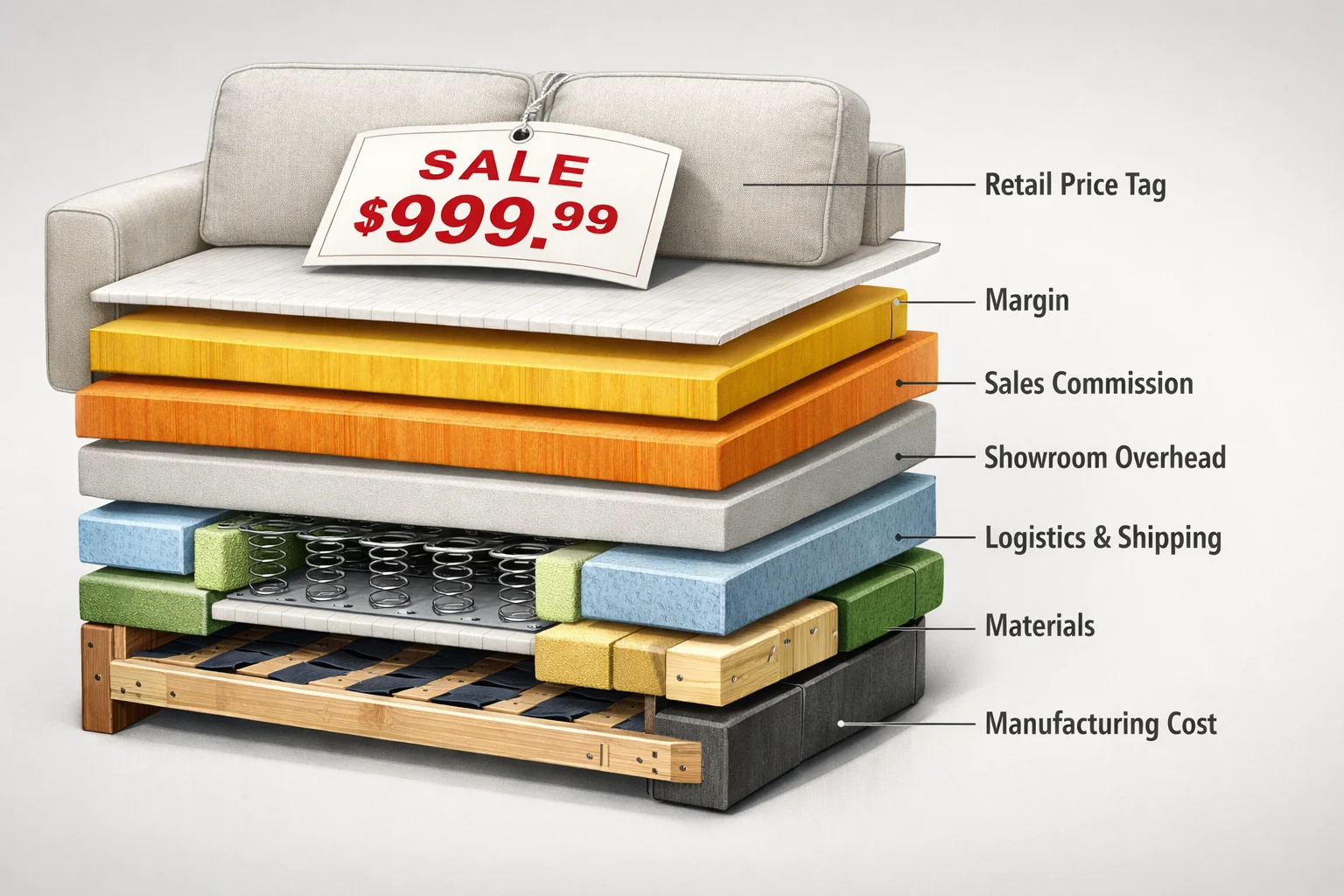
A lot of furniture retail is built on what they call keystone pricing, which is basically a 100% markup. In plain terms, if you see a sofa tagged at $2,000, the store may have it in their system at around $1,000 cost, and that gap is what pays for rent, advertising, delivery logistics, commissions, and profit.The practical takeaway for you is that the tag price is often designed to leave room for discounts without the store losing money. When a salesperson says they can take “10% off” like it is a big favor, I hear, “We have room to move, and we are starting the conversation high.”
This is why I always push for an out the door quote and I push early, before I get emotionally attached. I ask for the price including delivery, setup, and any protection plan they are trying to bundle, because keystone pricing also makes it easy for stores to shuffle the discount around. They can discount the sofa but inflate delivery, or hold the line on the sofa and throw in something low cost like toss pillows to make it feel like you won.
When you are standing in the showroom, you can use keystone to sanity check whether the “sale” is real. If the store claims they are “losing money” at a modest discount, I slow down and ask, “Is this already at your minimum price, or is there still flexibility depending on timing and payment?” If they cannot answer clearly, or if the story changes when you ask for it in writing, I treat that as a signal to keep shopping.
I also use this margin reality to negotiate without being rude. I am not trying to squeeze a small shop until it bleeds, I am trying to land at a fair number that reflects the fact that the sticker price often includes a cushion for bargaining. If you are polite and specific, you give the salesperson a clear path to say yes, especially when you are looking at a sofa that is not flying off the floor or a configuration that is harder for them to move.
One more thing I do that saves me from getting played is separating discount from quality. A deep discount does not automatically mean you are getting value, because the store can still be profitable on a sofa that uses cheaper foam, weak suspension, or a frame that is stapled together. I treat the keystone margin as permission to negotiate, not as proof the sofa is worth buying.
The Salesperson Dynamic: Commission Leverages
Most showroom staff you meet are paid in a way that makes closing the deal matter more than defending the sticker price. I keep that in my head because it explains why they will often accept a lower margin today instead of watching you leave and maybe never come back.
What that means for you is simple: you should ask for the best price plainly, early, and without apologizing for it. I usually do it right after I have confirmed the exact model and configuration, and before we get into fabric upgrades or add ons, because once you start customizing, it gets easier for the store to hide money in the details.
In a lot of stores there is a first tier discount that a senior salesperson can apply on the spot, often around ten to fifteen percent, without having to go ask anyone. When I say, “What is the best price for this item today?” and then I stay quiet, I am giving them an opening to use that authority immediately.
Pay attention to how they answer, because it tells you what game you are in. If they respond with a vague, “It’s already on sale,” I bring it back to a single number and I repeat that I am asking for the out the door price, including delivery and any fees, on this exact configuration. If they respond with a quick discount and a printed quote, that is usually a sign you are talking to someone who is allowed to deal.
I also watch for the commission leverage moves that make you feel like you are getting a deal while the total stays high. If they offer “free” pillows, a protection plan, or upgraded delivery instead of lowering the price, I treat that as a diversion and I ask what the same offer looks like as a straight price reduction. If they can do it as freebies, they can usually do it as dollars off, and dollars off is what protects you if you end up returning, exchanging, or disputing a charge later.
If you want to push a little further without getting adversarial, I find it works better to be ready to buy than to act tough. I will say, “If we can get to X out the door including delivery, I can do the deposit today,” because it ties the discount to an immediate close, which is exactly what commission is designed to reward.
The biggest trap here is negotiating before you have the terms nailed down. I always confirm whether the quoted price is for a special order or for the floor model, what the lead time is, what happens if it arrives damaged, and whether the deposit is refundable, because a discount is not a deal if you are locked into a messy policy. If they will not write the full quote and policy details on the spot, I assume the low number is meant to vanish later.
The Floor Model Opportunity: Verified Durability
If you want the biggest discount without playing games, I have had the best luck with floor models. It is normal to see thirty to fifty percent off, and unlike a mystery “sale,” the discount is tied to a real reason, the store wants that exact piece off the floor.
Most people hear “used” and stop thinking, but I look at a floor model as pre tested. You are not just buying a sofa, you are buying a sofa that has already been sat on, leaned on, and climbed onto in the exact environment where cheap construction usually reveals itself fast.
The "Infant Mortality" Filter
The first months of a sofa’s life are when the weak stuff tends to show up, like a frame that works loose, a seat that starts to hammock, or a fabric that pills as soon as people rub it with jeans. A floor model has already gone through that phase in public. If the frame has not started creaking or racking after countless sit tests, and the fabric still looks decent even after constant touching, that is meaningful evidence that the basics are at least competent.The trick is that you have to verify it with your own eyes and hands, because “survived the floor” does not mean “perfect.” I walk around it slowly and look for uneven seat height, a front rail that bows, or arms that feel softer on one side than the other, because those are early tells that the internal structure is getting tired.
Then I do a sit test that is intentionally unromantic. I sit in the spot that looks most used, usually the left seat, and I stay there long enough to feel whether the support fades after the first minute, because a lot of sofas feel fine for a quick perch and then collapse into a slouch.
I also do a simple symmetry check. I sit in the left seat, then the right seat, then the middle, and I ask myself if the sofa feels like one consistent piece of furniture or like three different chairs stitched together. If one seat is noticeably softer, that can be normal wear, but it also tells you how quickly the cushions and suspension may change at home.
Fabric is where floor models can either save you or surprise you. I rub the most handled areas, like the arm tops and front edge of the seat, and I look for fuzzing, pilling, shiny spots, or pulls. If it already looks tired under showroom conditions, it will look worse in your living room, especially if you have pets or anyone who sits in the same spot every night.
Floor models are also where I get very picky about smell and sunlight. If it has a sour odor up close, or if the fabric looks faded on the side facing the windows, I assume that is not going away, and I negotiate accordingly or I pass.
The other “gotcha” is missing parts and swapped components. I open and close anything that moves, and I check that all legs match, that any connectors are included for sectionals, and that the cushions belong to that sofa and not a similar one that got mixed in during cleaning. If something is missing, I do not accept a verbal promise, I ask them to write on the invoice exactly what will be provided, by when, and what happens if they cannot get it.
This is also where you can negotiate more cleanly, because the store has obvious motivation. I ask how long that specific piece has been on the floor, whether it is being replaced by a new display, and whether the price reflects cosmetic wear, because those answers tell you how desperate they are to move it.
When I want to push for a better deal, I tie it to specific flaws I can point to without sounding insulting. I will say, “I can live with the scuffing here and the slight flattening on this seat, but that means it cannot be priced like a new one. What is your best out the door number for this exact floor piece, including delivery?” That keeps it factual, and it gives them a face saving reason to discount further.
Be careful with return policy, because floor models are often final sale. Final sale can be fine if you have truly inspected it, measured your space, and you are happy with the comfort, but I do not put money down until I see that policy in writing on the receipt or invoice. If they will not give any return option, I try to negotiate a bigger discount to compensate for the risk, since you are giving up protection that you would have with a boxed, new unit.
I also ask about warranty in plain terms, because some stores quietly treat floor models differently. I keep it simple and direct: I ask whether the manufacturer warranty is the same as new, whether the store adds any coverage, and what proof of purchase they require if a frame or mechanism fails later.

If you do all of that, a floor model stops being a compromise and starts being a shortcut. You are letting hundreds of other sitters do the early stress testing for you, and you are getting paid for the cosmetic wear instead of paying extra for a sofa that has never proven itself.
Strategic Leverage Points
The fastest way I have found to get a real discount is to give the store a reason to care about your transaction more than the next one. Most of the time that is not about arguing, it is about structuring the deal so it helps them hit the numbers they are actually tracked on.
The Bundle Power
Selling you one sofa can take a long conversation, and selling you a sofa plus a rug plus a coffee table can take nearly the same amount of time. If you can genuinely use more than one piece, you can turn that into leverage by making it clear you are ready to solve the whole room at once, as long as the total makes sense.
In the showroom, I do not start by asking, “What can you throw in?” because that invites gimmicks. I start by being specific about scope and money, and I keep it tied to one total number. I will say something like, “I am planning to do the sofa and two counter stools today, and I will do it here if we can keep the out the door total under X including delivery and tax. What can you do if I bundle it all on one ticket?”
What I am watching for is whether they respond with a clean, written quote that reflects the bundle as a package, not a bunch of separate prices that can be reshuffled later. If they try to discount one item but quietly increase another, I bring it back to the only number that matters, the out the door total, and I ask them to reprint it so it is unambiguous.
This also lets you protect yourself from the classic trap where you negotiate hard on the sofa and then get taken for a ride on add ons. When you bundle, make sure the invoice names the exact items and includes the full delivery and setup terms, because “free delivery” can sometimes mean curb drop only, or it can exclude stairs, or it can disappear if anything changes on the order.
The Timing Factor (The “Rainy Tuesday” Rule)
I avoid negotiating during big holiday events, not because the prices are always bad, but because the store is busy and busy staff does not need to deal. When the place is packed, you are more likely to get a scripted answer, and less likely to get a manager who will approve an extra cut just to close.
When I want the best shot at flexibility, I go when the showroom is quiet and the day feels slow. Mid afternoon on a miserable weekday, especially in a dead month like February or August, has been the most productive for me. If you walk in and you can tell the staff is bored, that is often the moment when a clean, ready to buy offer gets traction, because closing any deal can feel better than watching the hour crawl by.
I also use timing to control the conversation. If it is quiet, I can ask the salesperson to sit with me and write an out the door quote slowly, line by line, without feeling like I am fighting for attention. And if the first quote is not good, it is easier to ask, politely, if they can check with a manager for a sharper number, because there is no crowd behind you waiting to be helped.
The Custom Order Exception
Custom orders, where you pick a specific frame, fabric, and finish, usually come with almost no negotiation room. The store is taking on the risk of ordering something tailored to you, and they cannot easily resell it if you back out, so they tend to hold the line on price and require a serious deposit.When I hear “custom,” I mentally switch from haggling to protecting myself on the paperwork. I ask exactly what is refundable and when, what happens if the color is not what I expected, what the real lead time is, and what the process is if it arrives with damage or the wrong upholstery. If they will not put those terms in writing on the invoice, I treat that as a bigger problem than paying full price.
Even when custom pricing is firm, you can sometimes get value in safer places, like upgraded delivery, removal of packaging, or a clearer comfort exchange window, but I only count it if it is written down. If it is verbal, I assume it will be forgotten when the truck shows up and you are already committed.
The Power of the Walk-Away
The most potent negotiation tool you have is your willingness to leave, and I mean that literally. I have watched the best price appear only after the conversation is clearly ending, when the salesperson realizes you are not just fishing and you are not emotionally trapped.
I think of it as the door handle moment. If you are still planted on the sofa saying how perfect it is for your living room, you have not given them any reason to sharpen the pencil, because they can feel that you are already halfway sold.
The practical move is to keep your body language and your words boring. I try not to “fall in love” out loud, and I do not talk about how long I have been searching or how my old sofa just broke, because that tells them you need a solution more than you need a fair price.
I treat the sofa like a commodity until the terms are right. That means I talk in specifics like the model, the configuration, the fabric grade, the delivery fee, and the lead time, and I stay away from personal stories that make it easy for someone to push urgency back onto me.
When I reach the point where the quote is not good enough, I stop negotiating in circles. I simply say, “Thanks, I am going to think about it and check a couple other places,” and then I actually begin to leave, slowly and politely, without drama.
This is where you will often get one more question, like “What number did you have in mind?” or “If I can do a little better, would you do it today?” I do not answer with a speech, I answer with a clean out the door number that includes delivery and tax, and I tie it to immediate action only if it is truly real for me, like, “If you can do X out the door in writing for this exact configuration, I can put the deposit down right now.”
The key is that you have to mean it. If you threaten to walk and then you sit right back down the moment they resist, you taught them that your walk away is theater, and you will have a harder time getting taken seriously for the rest of the visit.
I also protect myself from the “phantom approval” trick that shows up at this stage. If they say they can do your number “if the manager approves,” I ask them to print the revised quote with all fees and the policy details, or I do not treat it as real.
There is also a version of the door handle moment that is even cleaner, and it is the follow up. If you can stand to wait a day, leaving without buying gives you a second negotiation window when they call or text, and you can evaluate the offer with a clear head instead of under showroom lighting.
If you do follow up, I keep it simple and written. I like text or email because it reduces misunderstandings about which sofa, which fabric, which delivery terms, and what “out the door” meant, and it gives you something to refer back to if the numbers start drifting.
One more thing I have learned the hard way is to walk away from messy answers, not just high prices. If they get vague about the return policy, the warranty, whether the quote is for the floor model or a new unit, or they refuse to put the terms in writing, I do not try to negotiate harder, I leave sooner, because the discount is not worth the risk of a bad process.
If you want to make walk away easier emotionally, decide your conditions before you ever enter the store. I usually go in with a maximum out the door number, a maximum acceptable lead time, and a non negotiable policy requirement, like whether I need a comfort exchange window, because once those are set, walking away feels less like rejection and more like sticking to your own rules.
Decision Framework: The Furniture Negotiation Protocol
When I am standing in a store and I can feel myself getting tired, this is the simple protocol I fall back on so I do not accidentally agree to a bad number. I treat the sofa like a negotiable purchase from the start, and I assume the tag price has padding in it, often around that keystone structure you already read about, so I do not feel weird asking for movement immediately.
The first thing I do is establish the wholesale context without turning it into a fight about their margins. I do not ask what they paid. I simply act like discounts are normal and I ask for the best out the door price early, because once you start debating individual line items, it is easier for the store to shuffle money into delivery, setup, or “required” add ons.
Right after that, I ask for what I call the first serious tier, the real best price they can do today without drama. In a lot of places there is a standard “best price” discount that is roughly ten to fifteen percent, and the fastest way to find out is to ask directly, then stop talking. If they come back with a tiny discount and a lot of words, I repeat the question and ask if that is the best they can do without a manager.
Then I switch my attention to the floor, because that is where the deepest, cleanest discounts usually live. I ask if there are any discontinued styles, returned items they can legally resell, or floor samples in the same size or upholstery family that they want gone, and I ask what the out the door number would be on those. When someone says “forty percent off,” I do not celebrate yet, I go straight to whether it is final sale, whether delivery is included, and whether the warranty is the same as new, because those three things decide whether the discount is actually worth it.
If you have more than one item on your list, this is where I bundle on purpose. I do not let them bundle in a vague way, I bundle with one total number and one written quote. I will say I am open to adding a rug, chair, or table if the total out the door price lands under a specific ceiling, and I want to see the entire package printed so the savings cannot be moved around later.
Timing is the quiet advantage that most people ignore, and I use it because it costs you nothing. I avoid the big holiday rush because a busy store has no reason to bend, and I aim for the slow window, the rainy Tuesday feeling where staff has time and the manager is not distracted. If you can come back at a quieter time, you often get a cleaner, faster yes, because you are not competing with a line of other customers.
Finally, I keep the walk away move loaded and real. If the quote is still too high, or if the paperwork is messy, I end the conversation politely and I start to leave, because that is when you learn whether there is truly more room. If they ask what it would take to earn your business today, I give one out the door number for that exact configuration including delivery and tax, and I ask for it in writing, because verbal discounts have a way of evaporating at the register.
I know this sounds firm, but it is not about being aggressive. It is about staying consistent, forcing the deal into writing, and making sure any discount you get is attached to the exact sofa, the exact terms, and the exact total you will actually pay.
Explore Technical Reference
How to Budget for a Sofa
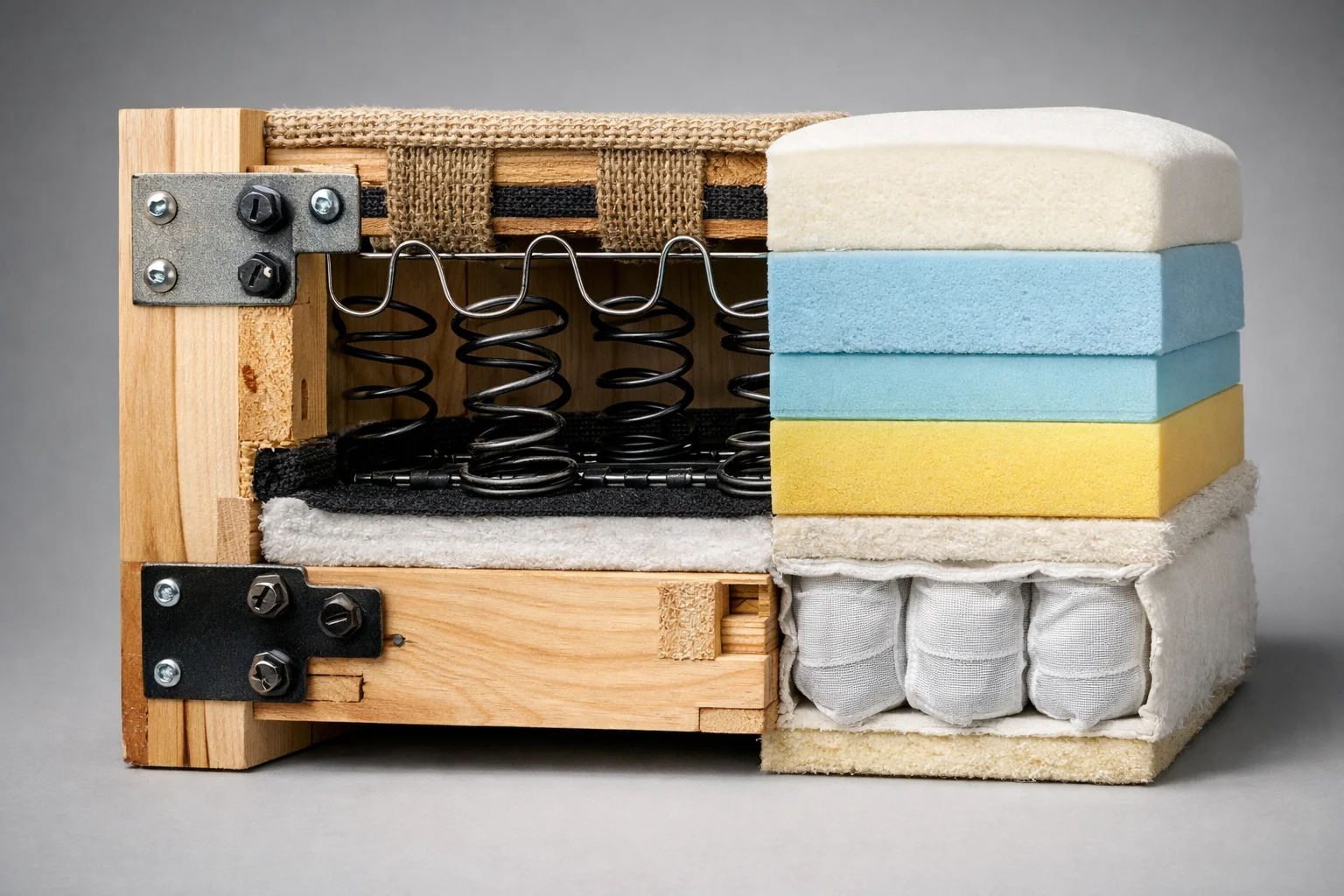
Why two sofas that look identical can behave completely differently. A deep examination of the internal components you cannot see that determine longevity.
Analyze Details →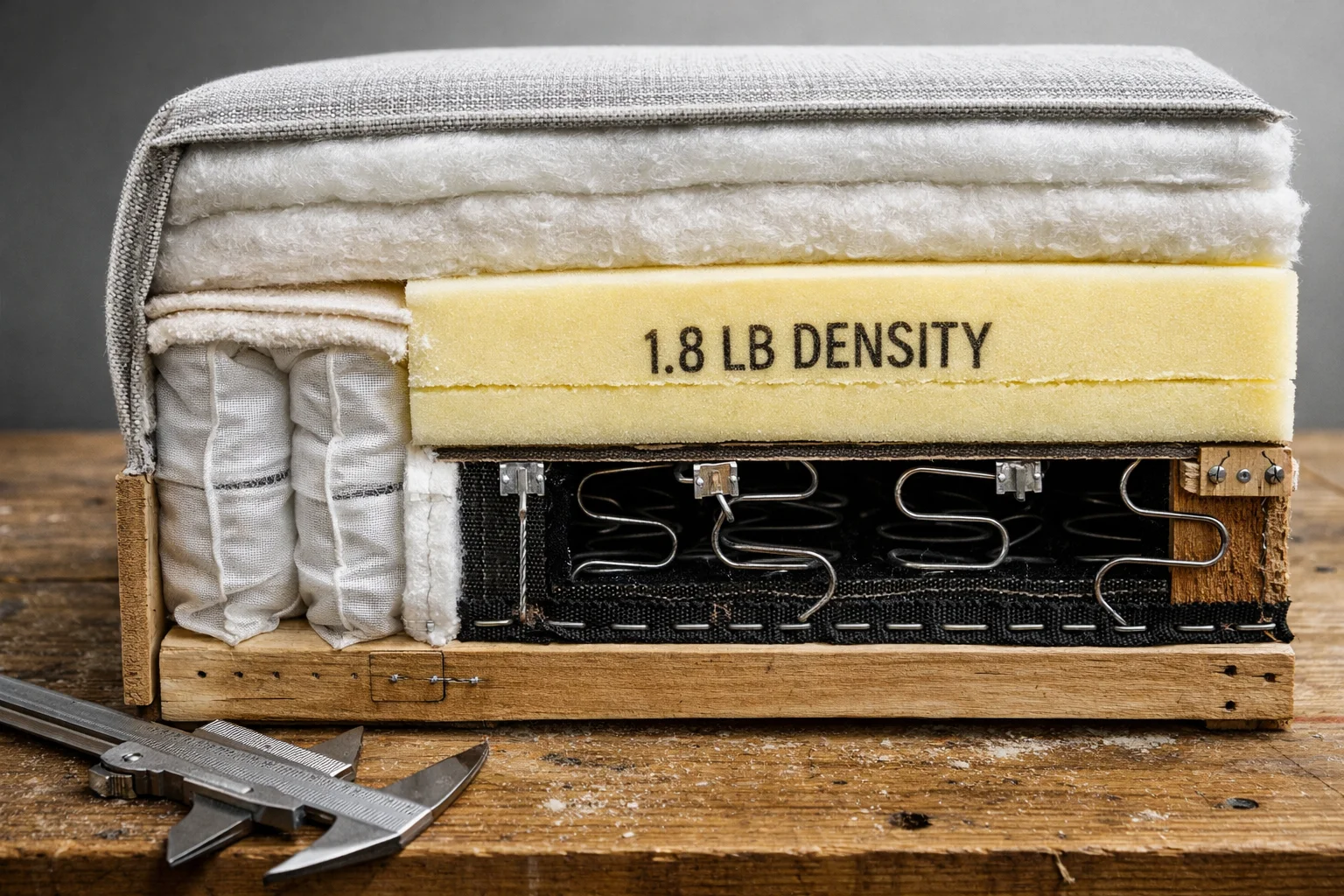
How to Buy Durable Furniture: Balancing the Triangle of Failure Points
Understanding that durability is not a single variable but a relationship between frame, fabric, and foam. How to balance the triangle for maximum lifespan.
Analyze Details →